
Why We Put Our Bathroom Heaters Through the Wringer
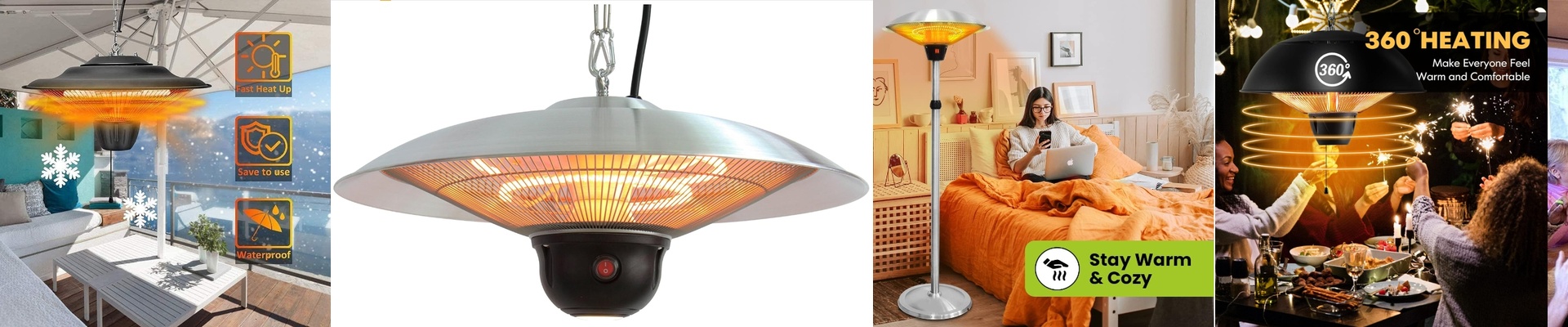
We build wall-mounted heaters for one simple reason: to live in a bathroom. That means they have to survive a brutal combo—blazing heat and soaking humidity. The quartz infrared lamp inside isn’t just a heat source. It’s the heart of the unit, and it has to keep its electrical guts intact and its output steady, day after day. Because bathrooms are rough. Moisture and temperature swings team up to kill components. So our aging tests aren’t just paperwork. We run production units through brutal wet-heat cycles that compress years of use into minutes. If the filament support weakens, the lamp fails. If the internal wires corrode, the lamp fails. If the quartz envelope clouds up, the output drops. We hunt for these failures in our lab. So they never show up on your shop floor.
The Power Behind the Heat
These heaters are built for industrial duty, not casual home use. We need high-wattage infrared output to hit the bathroom with fast, focused heat—and keep the air feeling dry. We run at high voltage, typically 220V to 400V, because it delivers the power without forcing too much current through the wiring. That keeps copper losses down and conductor temps lower. The lamp length and footprint are chosen to match the wall mount and the heating zone. A shorter tube means a tighter enclosure, but it also packs more power per square inch. That density is what gives you rapid infrared response. But it also means the fixture has to manage heat carefully.
The Materials That Make It Work
We use halogen infrared technology inside a quartz envelope for a reason. Quartz handles thermal shock and stays stable at high temperatures. The halogen cycle keeps the filament clean, which helps maintain consistent output over time. We also add a reflective coating on the back to push more energy forward, so the heat goes where you aim it. Connectors like R7s are standard because they’re secure, handle high heat, and are easy to wire on the line and replace in the field. But here’s the thing: a good connector can’t save a weak lamp. If the internal supports can’t handle vibration and thermal cycling, the filament will still burn out early.
Built for the Bathroom Beat
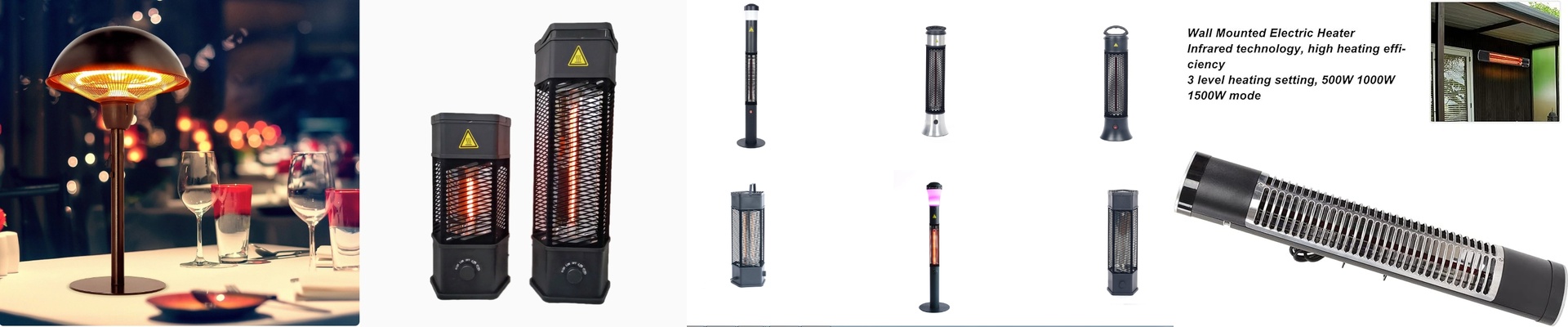
Bathrooms put heaters through a punishing routine: rapid on/off cycles, high humidity while running, and condensation as things cool down. Our wall-mount heater is designed as a drop-in solution for that exact cycle. You get fast-response infrared heat, minimal air movement, and a sealed optical path. The trade-off is real. High power density means fast heating, but it also means the mounting hardware and wiring must be rated for continuous high temperature. We spec the lamp to survive the environment. You have to spec the installation to match it. We age-test every unit because bathroom heat is not gentle. It’s a controlled stress test, and we want the first failure to happen in our lab—not on your customer’s wall.