
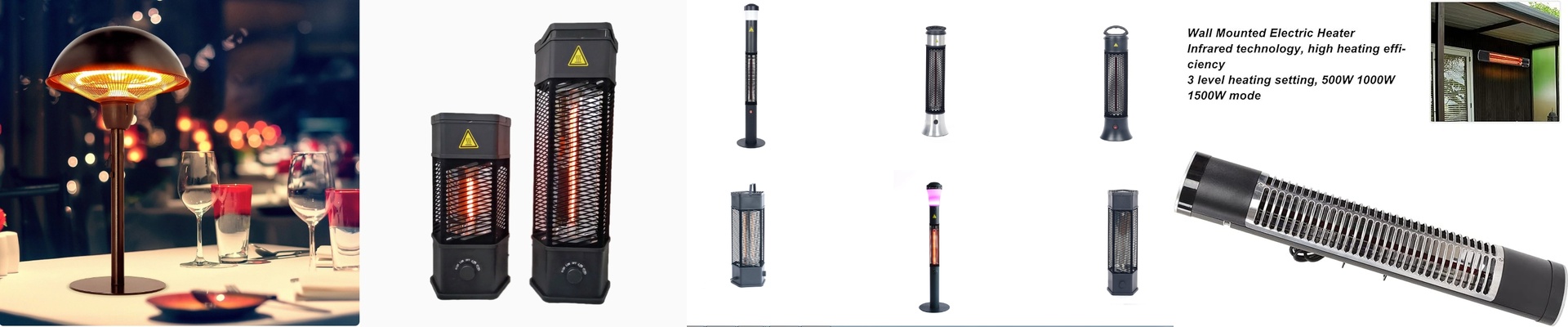




Winter warmth has a sneaky trade-off: dry air. Conventional convector heaters move air across a hot element, which warms the room but steadily pulls moisture out. You know the feeling—tight skin, a scratchy throat, and static that grabs at everything. Infrared heaters flip that script. They warm objects and people directly, not the air around them. What actually matters under the hood Infrared heaters run on radiant heat, using a halogen, quartz, or carbon fiber element. The output sits in the short-wave and medium-wave bands, which travel through the air and dump heat the moment they hit solid surfaces. Since the air isn’t doing most of the work as a heat sink, there’s far less evaporation from your skin and household surfaces. In practice, comfort hits fast—often within seconds—without that harsh, drying blast you get from fan-assisted convectors. A built-in thermostat keeps the ambient temperature steady, and safety touches like tip-over protection and overheat cutoffs are standard for peace of mind. Why this works where you live In living rooms, bedrooms, and enclosed patios, comfort is about balance. With infrared, you get warmth without the dryness that irritates eyes and makes wood furniture creak and crack. The air feels more natural, and you can hold a comfortable humidity level without chasing it with a humidifier. For homeowners, that means a cozier, more restful space—especially on long evenings when you want steady, gentle heat. The practical bits you’ll want to get right Infrared heat is directional, so placement matters. Point the unit toward the seating area or the spot you use most. If you want whole-room comfort, pair a directional infrared heater with a low-noise convector to blend warmth and air circulation. Keep a clear safety perimeter around the heater and keep it away from curtains and upholstered furniture. Also, check the power draw and plug into a dedicated circuit so you don’t get nuisance tripping.