


In off-grid homes and workshops, you know the drill: that kerosene smell isn’t just a nuisance. It’s soot, oxygen draw, and moisture that hangs in the air. Swap to a carbon crystal infrared heater and you cut those byproducts at the source. Warmth comes without combustion, and the change is immediate—quieter operation, fewer drafts, and air that simply feels cleaner.
What matters under the hood
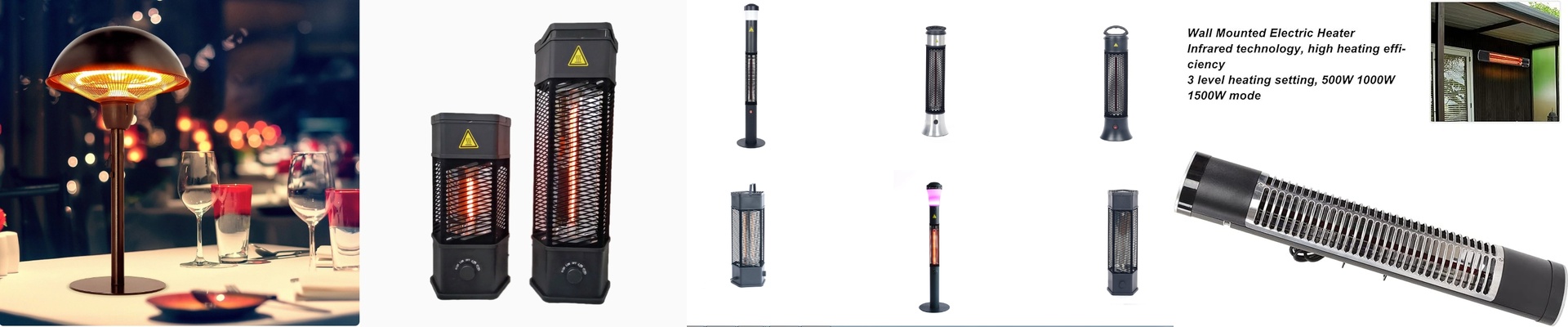
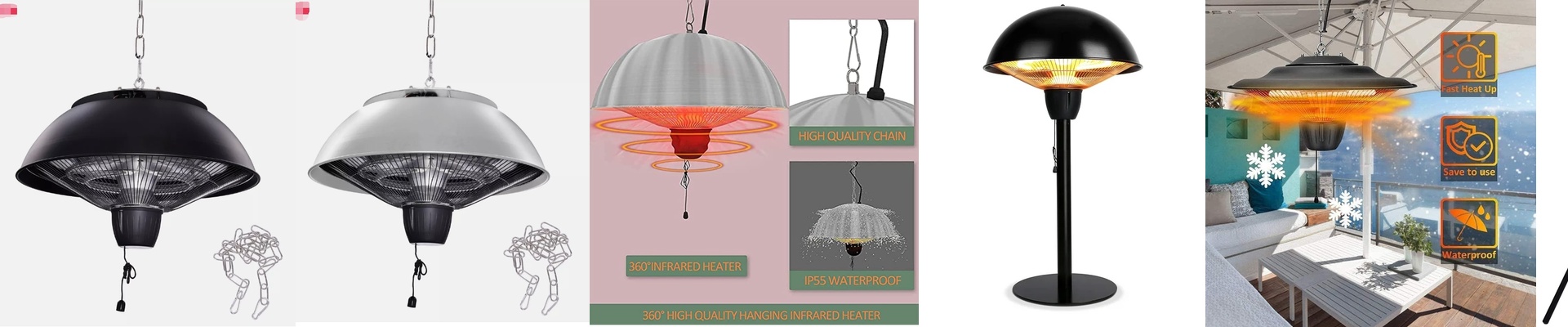
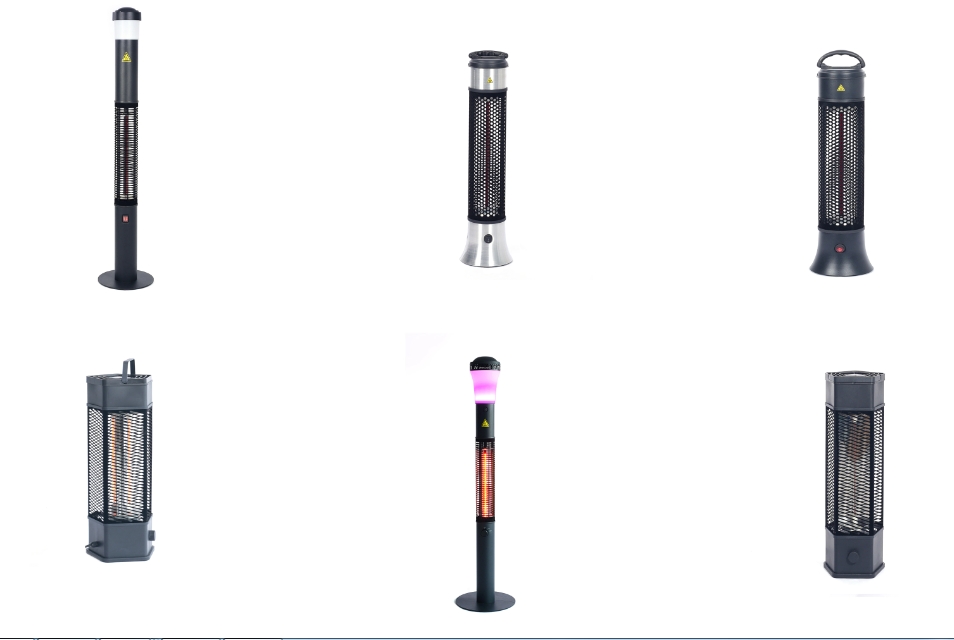
Inside these units is a high-purity carbon element sealed in a quartz tube. It delivers infrared warmth that travels in straight lines, just like sunlight. Because it’s direct radiant heat, people and objects warm first, so comfort hits even when the room air is cooler. Most models run on standard household voltage, pull modest current for the heat they put out, and switch on instantly—no warm-up lag. A built-in thermostat keeps the space steady, and tip-over protection shuts the heater down if it gets bumped.
Why it fits off-grid indoor spaces
In remote indoor spots, the big win is air quality. Kerosene burns and leaves particles and odors that coat surfaces and irritate lungs. Carbon crystal infrared is electric and clean—no fumes, no open flame, no venting required. That means oxygen levels stay steadier, soot buildup on walls and furniture drops off, and anyone with sensitivities breathes easier. Heat arrives quickly, so you don’t have to crank the room temperature just to feel relief. And with a sealed element, maintenance stays straightforward.
The practical details
These heaters are built for indoor use. Place them where the infrared beam won’t get blocked—near a wall or under a ceiling is usually a solid spot. They don’t heat the air directly, so in very large or drafty rooms, you may still want gentle air movement to even out comfort. As with any electric heater, match the cord and outlet to the unit’s rating, and skip the extension cords. Keeping connections secure and cool matters.