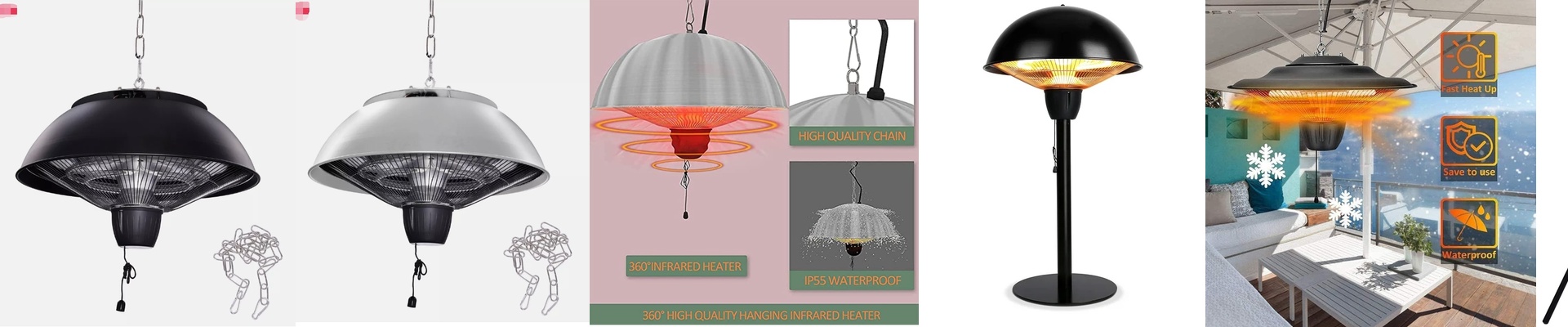
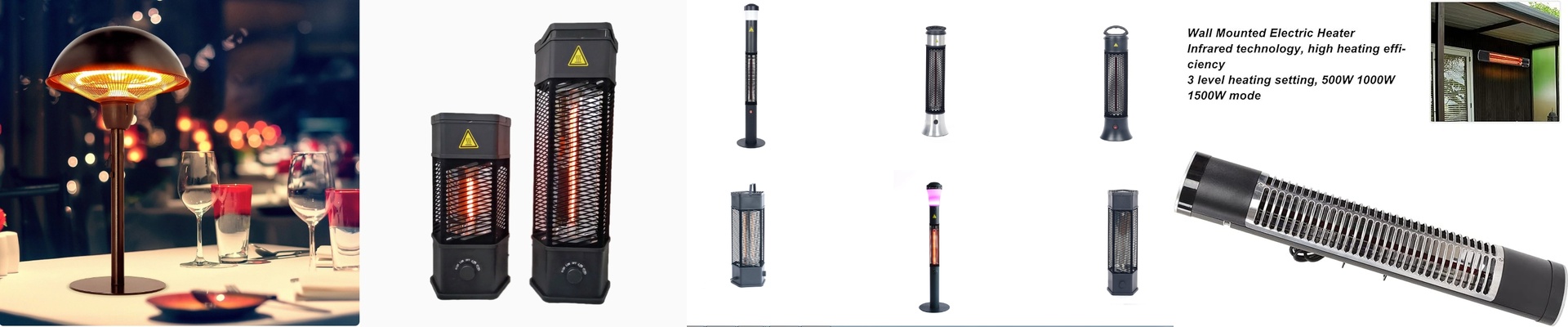

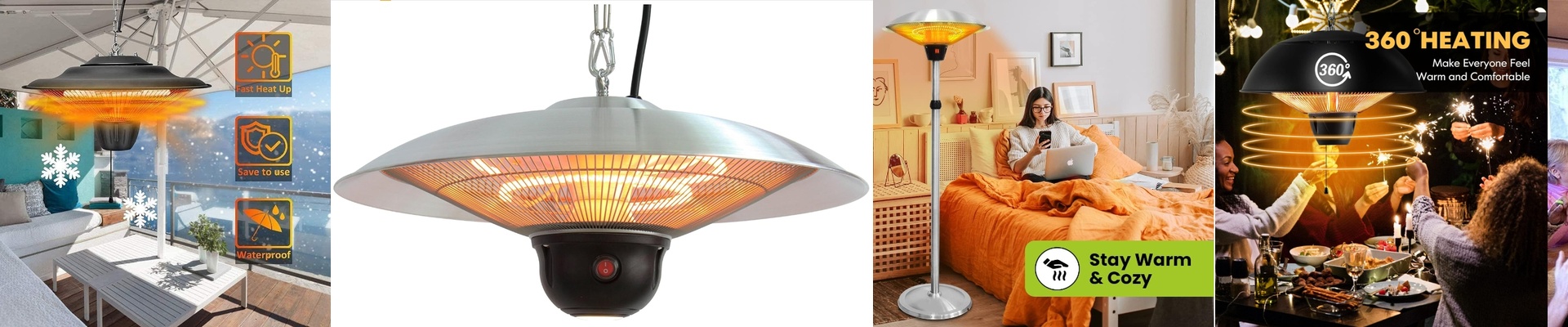
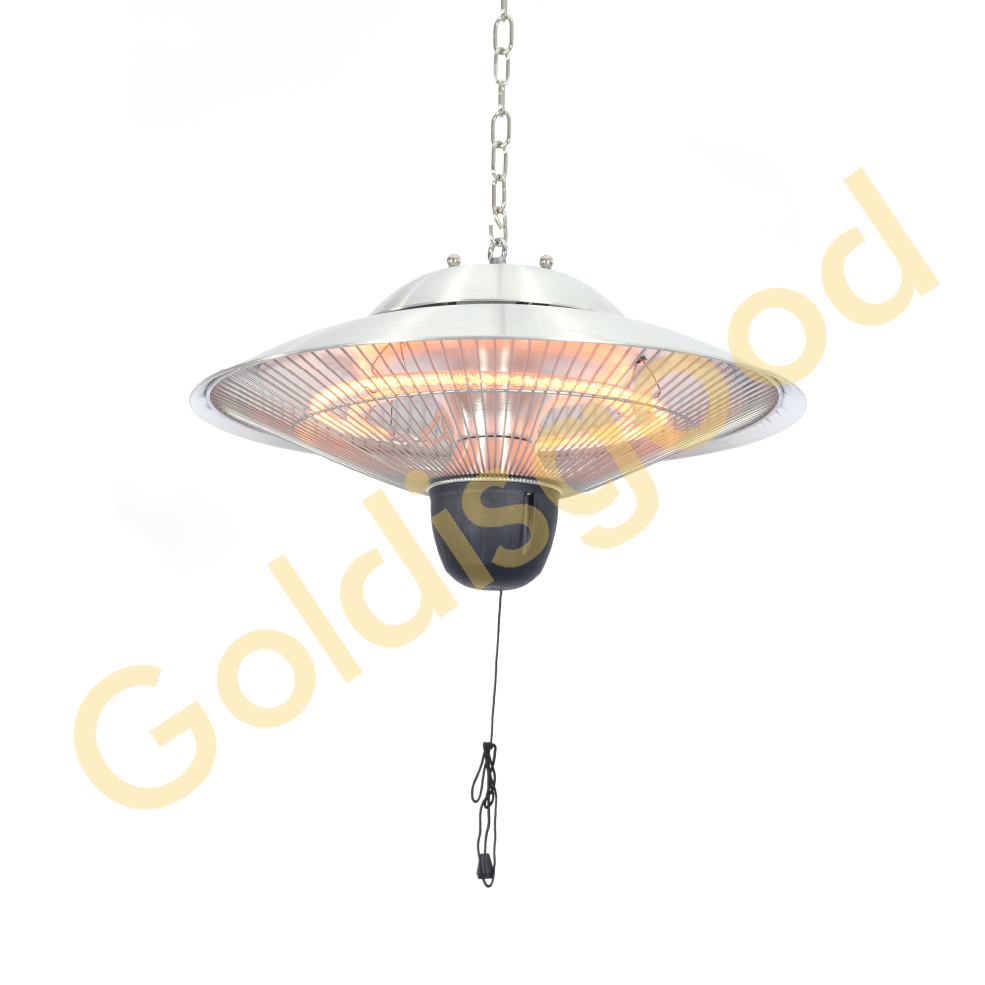
When you’re running a nursery, you can’t afford a heater that feels like a trade-off. You need warmth that comes on fast, holds steady, and doesn’t make you second-guess safety. So we treat baby-room heating as a disciplined approach to heat management—comfort, control, and confidence baked into the design. What’s under the hood, technically We built this around infrared warmth. Radiant heat warms people and objects directly, instead of pushing air around. That means the room feels cozy quicker, with less air movement—a big deal when dust and drafts are a concern. It runs quietly in the 450W–600W range, so it’s easy on energy while still delivering enough comfort for nursery-sized spaces. The core is a carbon fiber element inside a sealed quartz tube—built for long life and consistent output. Control comes from an adjustable thermostat, and tip-over protection shuts the unit down if it gets knocked over. Why this approach fits a nursery Comfort in a baby’s room has to be predictable. Infrared gives you exactly that: it turns on fast, holds a steady feel, and avoids the on-off swings that can disrupt sleep. Because the heat is directional, you can place the unit where it makes sense—keeping crib areas calm while still spreading an even sense of warmth across the room. The draft-free feel helps everyone rest better, and the thermostat keeps conditions steady through naps and nighttime routines. Practical setup and safety For the best experience, set the heater on a stable, level surface, and keep it at least three feet from bedding, curtains, and other combustibles. This unit is designed for indoor use in dry spaces, and it needs a dedicated outlet to run safely. The exterior stays cooler than many conventional heaters, but it will still get warm to the touch during operation—so placement and supervision matter. That’s how safety works in the real world: good positioning, solid engineering, and a heater you can trust in the rooms that matter most.