

Winter nights have a way of turning the bedroom into a tug-of-war between warmth and quiet. A noisy heater kicks on, jolting you awake. A drafty window steals body heat and leaves you tense. When sleep is the priority, the heat needs to feel like it’s already there—steady, gentle, and dead silent.
What matters, technically
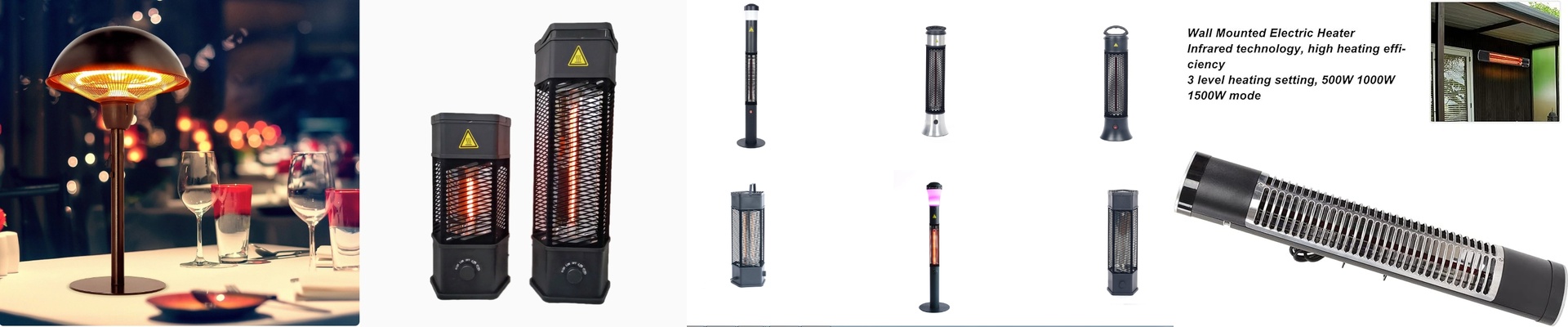
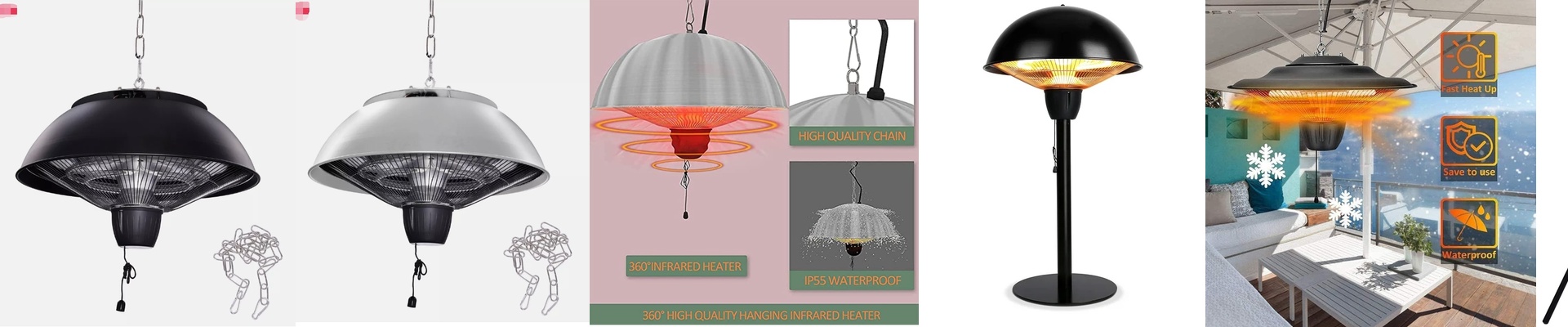
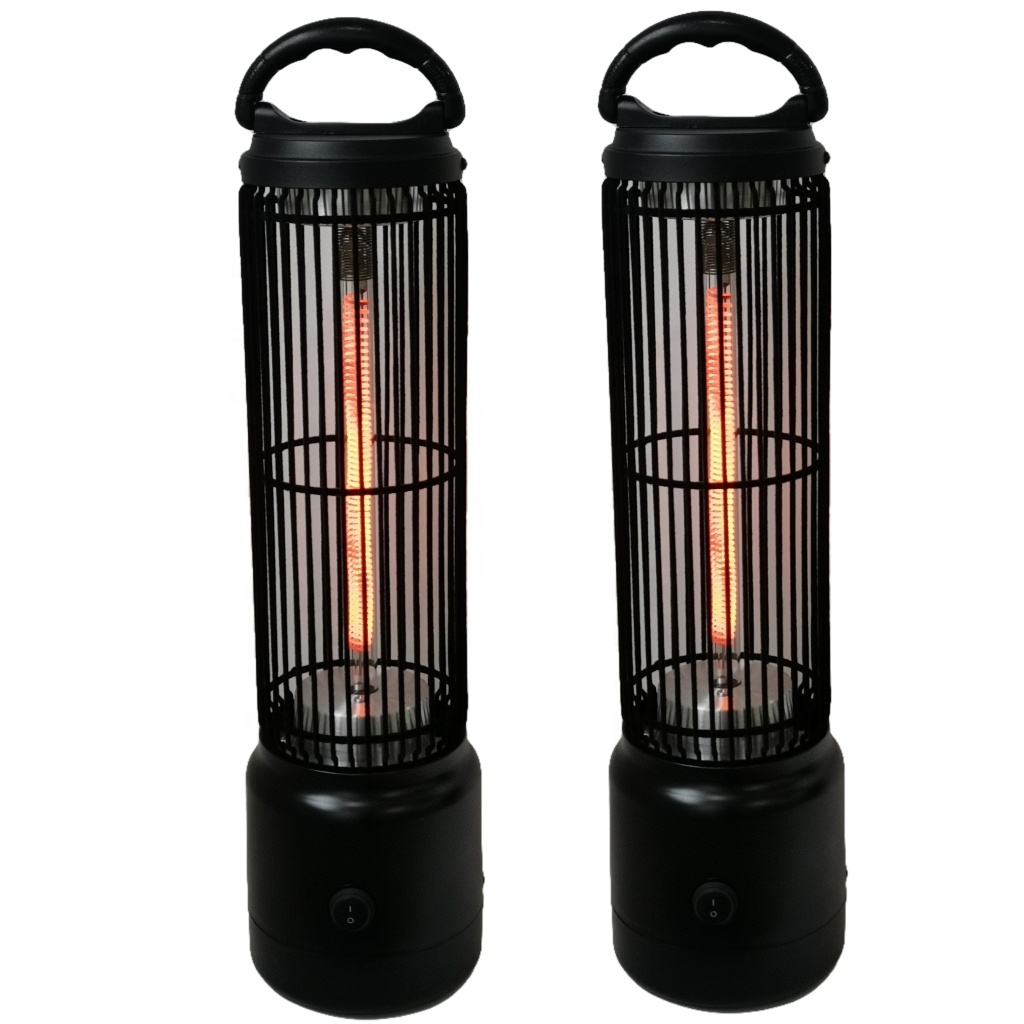
Infrared electric heaters deliver warmth the way your body actually feels it: direct radiant heat that warms people and surfaces first, not the air. In a bedroom, that means less air movement, less dust kicked up, and a more consistent feel. The 12V and 24V electric heater formats matter because they’re built for the lower-voltage circuits you often see in off-grid setups, vehicles, or dedicated low-voltage zones. We build these units around efficient infrared elements—quartz tubes or carbon fiber emitters—paired with simple, low-noise control. The payoff is heat without the mechanical rush of a fan. Output is immediate, and because the heat is directional, you can put the unit where it earns its keep: near the bed, under a desk, or along a chilly wall.
Why it works in a bedroom
Quiet is the obvious win, but the deeper win is how it supports sleep quality. Radiant infrared warmth helps loosen muscle stiffness and nudges relaxation, so you settle faster. Because the heater warms you directly, you can stay comfortable at a lower ambient temperature. That means fewer sudden swings that yank you out of deep sleep. For winter bedroom use, the combo of silence and steady radiant heat translates to fewer awakenings, less tossing, and a more natural drift into rest. You wake feeling restored, not dried out or rattled by a loud fan.
Things to know before you plug in
Low-voltage electric heaters are great for targeted comfort, but they need the right setup. Match the unit to your circuit: a 12V electric heater needs a properly rated 12V supply, and a 24V electric heater needs a stable 24V source. Undersized wiring or an underpowered supply will cause performance dips and unexpected shutdowns. **Infrared heat works best when the path is clear.**Keep the heater unobstructed—furniture, curtains, and bedding can block the line and cut down comfort. And while these units are quiet, the housing gets warm during operation, so placement and clearance matter. Plan the location first, then plug in, and your nights get quieter—and warmer—starting tonight.