On the factory floor, downtime eats profit quietly. The minute the temperature drops, pipes start freezing, lines grind to a halt, and every idle minute hits the bottom line. We built our electric pipe heater line to keep operations running—plain and simple. It’s not about throwing heat around; it’s about keeping the process moving.
What matters under the hood
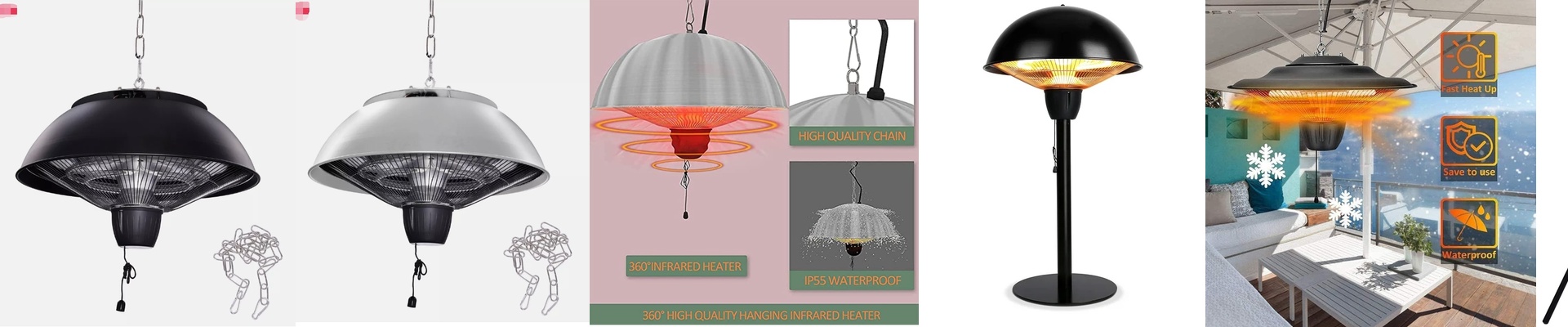
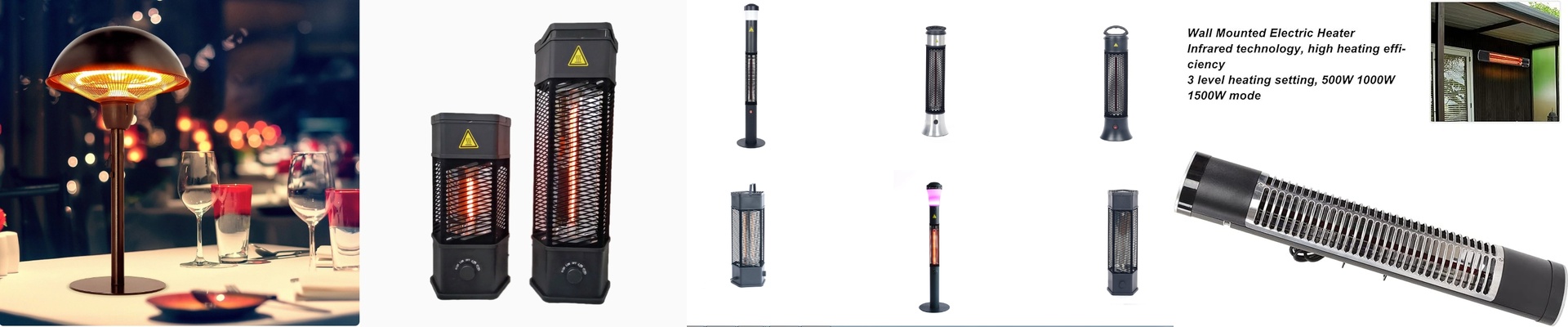
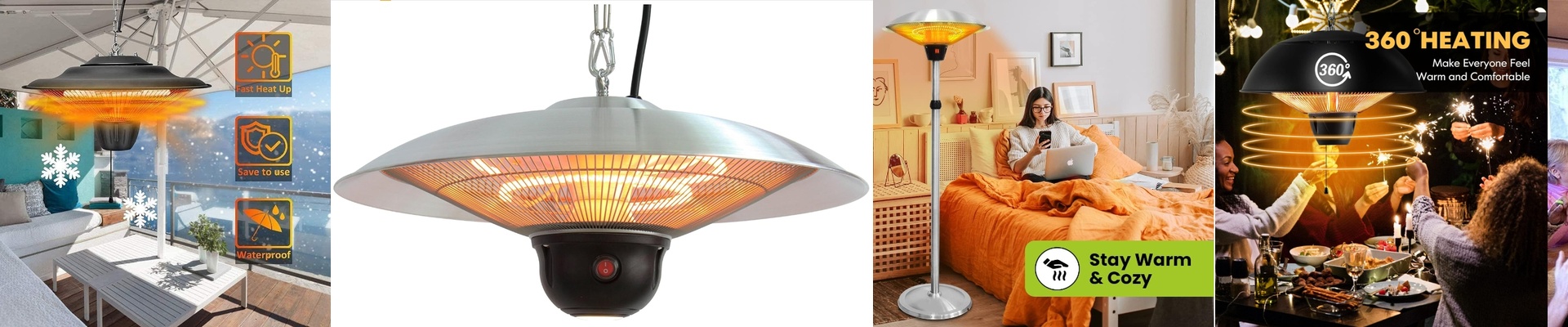
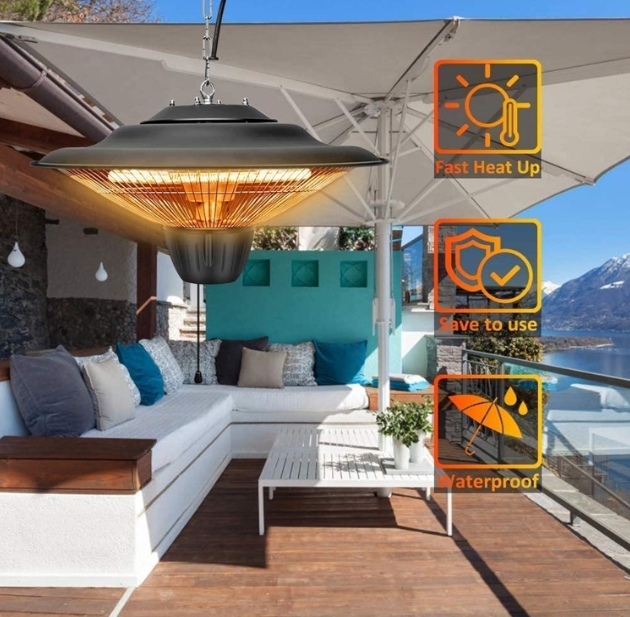
Our infrared pipe heaters lean on a quartz tube element to deliver instant radiant warmth, aimed right where it’s needed. The carbon fiber core comes up to temperature fast—seconds, not minutes—and the reflector focuses energy onto the target surface instead of heating the surrounding air. The specs are grounded in real work: 120V and 240V options, power from 1.5 kW to 3.0 kW, and standard IP54 protection for spaces that are dusty and damp. You get a built-in thermostat for precise control, plus a tip-over switch that cuts power if the unit gets knocked around. The payoff is steady, targeted heat that keeps pipes and equipment inside their safe operating window.
Why this approach holds up
Here’s the thing: we run the same production processes we use for global OEM contracts—tight tolerances, full-load testing, and long burn-in cycles—then sell direct. That translates into fewer callbacks, longer element life, and consistent output, even on night shifts. You get the kind of reliability that keeps workflows moving, with a cost structure that makes budget conversations a lot easier.
What to keep in mind
Match wattage to pipe length and insulation, and double-check the site voltage and plug type. These electric infrared heaters do their best work when aimed directly at the target surface; they aren’t meant to warm open air, so placement matters. If you’re dealing with washdown areas, step up to IP65-rated housings. Expect fast heat-up, quiet operation, and low maintenance—just keep the lens clean and the mount secure.