

Technical Deep-Dive: Power, Voltage, and Output
Here’s the thing: we built these industrial infrared heaters for one reason—to turn cold, drafty corners into warm, comfortable zones almost instantly. Infrared heat doesn’t waste time warming the air. It goes straight to warming people and surfaces. So when you need a space like a dressing room to warm up fast, two things really matter: the wattage density and the voltage. A 2500W output on a 400V circuit packs a lot of heat into a small footprint. That means you get a quick warm-up without having to rewire the entire building.
Material & Design: Quartz, Halogen, and R7s Connectivity
Inside, it’s all about the quartz tube and halogen gas. Quartz handles the shock of turning on and off over and over again without cracking. The halogen keeps the filament stable, so the brightness doesn’t fade over time. We also choose the coating on the tube to tune the infrared spectrum—focusing the heat where it’s absorbed best. And the R7s base? It’s more than just convenient. It’s a standard, high-temperature connection that makes the lamp a simple drop-in replacement. Wire it once, and the contact stays solid, even when it’s running hot.
Application & Benefits: Wall Mount vs. Floor Stand
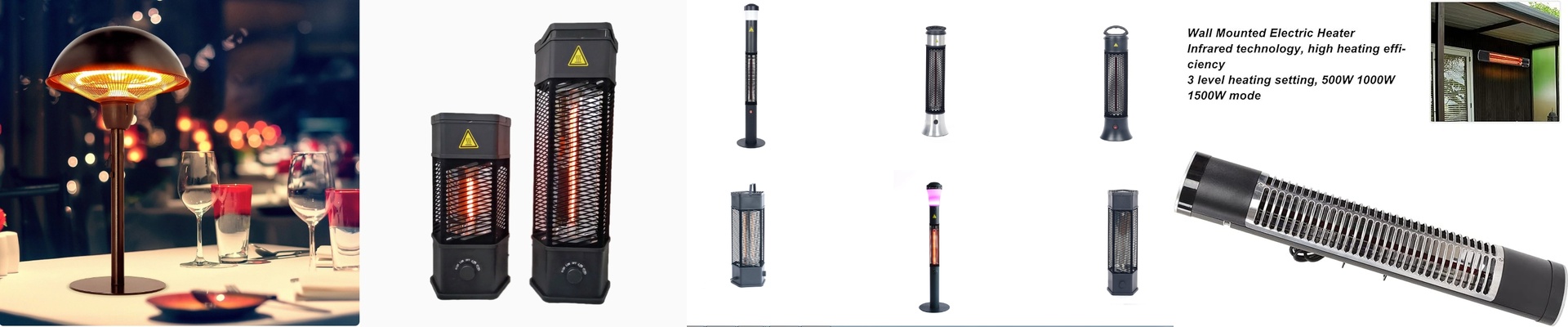
Wall-mount units save floor space and aim the heat downward—perfect for tight entryways and small changing areas. Floor-stand units give you the flexibility to move the heat around, which is great for shifting traffic patterns or open patios. Both styles give you the same infrared advantage: immediate, radiant heat that warms surfaces and people, not the air. But here’s the trade-off: with high output density, you need to match the electrical and cooling specs. A 400V, 2500W system needs proper overcurrent protection and enough ventilation to keep the area around the heater from getting too hot. For engineers, that translates to faster installs, predictable performance, and fewer service calls.