

Voltage swings are sneaky. You’re enjoying steady infrared warmth on the patio, and then—without warning—the heater dims, starts cycling, or just cuts out. Over time, those spikes and sags chew up element life and leave you cold right when you need comfort the most.
What matters under the hood
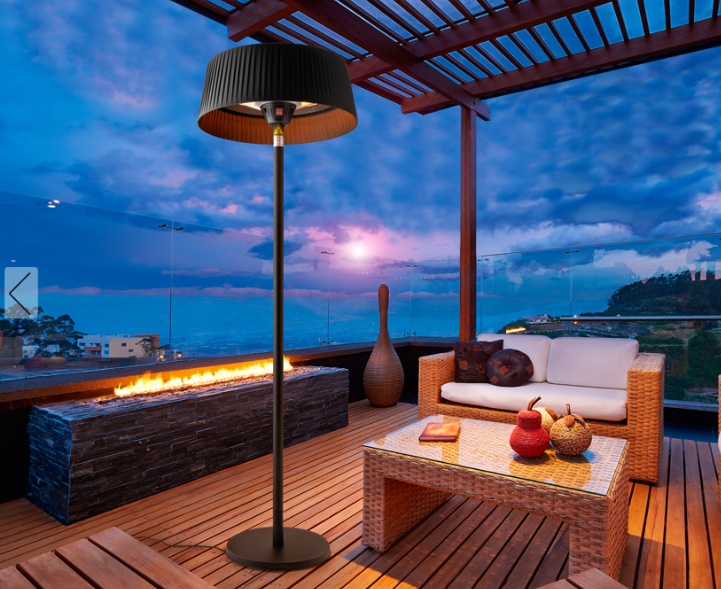
We built this remote control infrared heater around a carbon fiber element, because it comes up to temperature fast and delivers even radiant heat. The real backbone is the integrated voltage compensation circuit, designed for the messy voltage reality outdoors. It watches the line continuously and adjusts the internal drive, so output stays steady across a wide voltage range. In practice, you get consistent infrared warmth without the surge-and-dip that stresses quartz tubes and electronics. It runs off a standard 120V outlet, pulls up to 1500W, and the remote keeps control simple—power level and timer from your chair, no need to get up.
Why this matters in the real world
Outdoor heating doesn’t just deal with wind and rain. Shared circuits, long extension cord runs, and utility variability all push voltage away from “ideal.” Our compensation keeps the heater steady when the line isn’t, so the patio stays cozy through evening get-togethers, and the unit isn’t overworked. That translates to steadier heat, fewer surprise shutdowns, and a longer service life. Fewer replacements, more predictable energy use, and the confidence that heat is there the moment you step outside.
The practical details
For best performance, plug the heater into a dedicated, grounded outlet. Avoid long, undersized extension cords—they make voltage drop worse. The remote is line-of-sight, so keep the controller within range and clear of obstructions. The voltage compensation handles typical swings, but it doesn’t replace good wiring. If your home or outdoor circuit is known to be unstable, a dedicated line is still the smartest move.