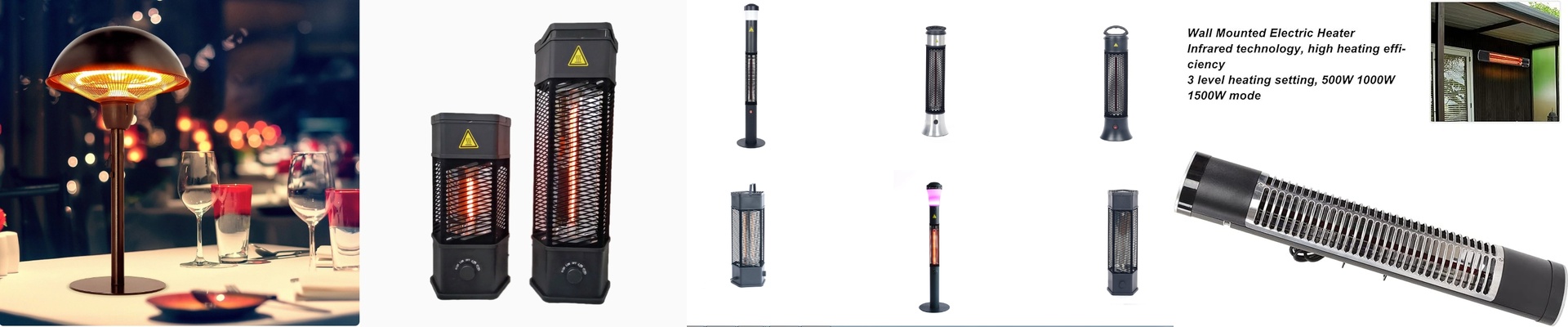
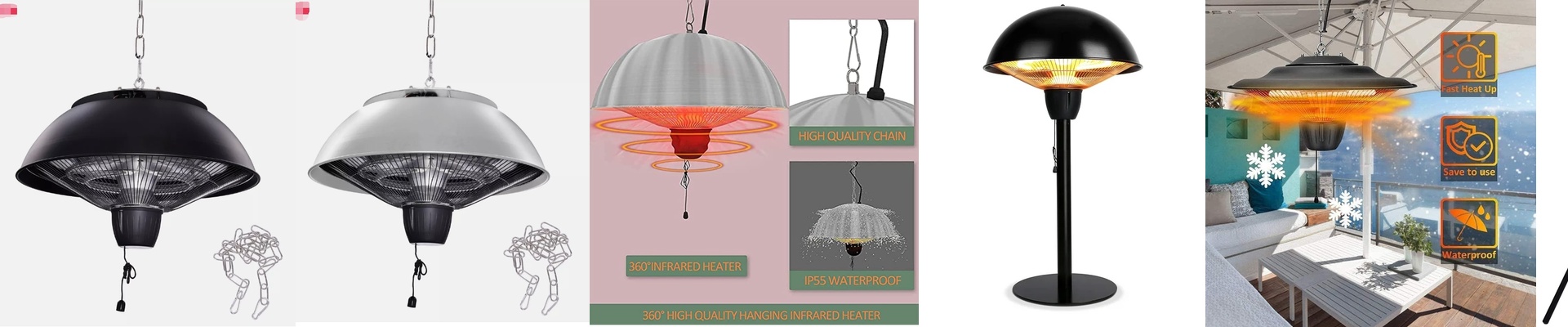
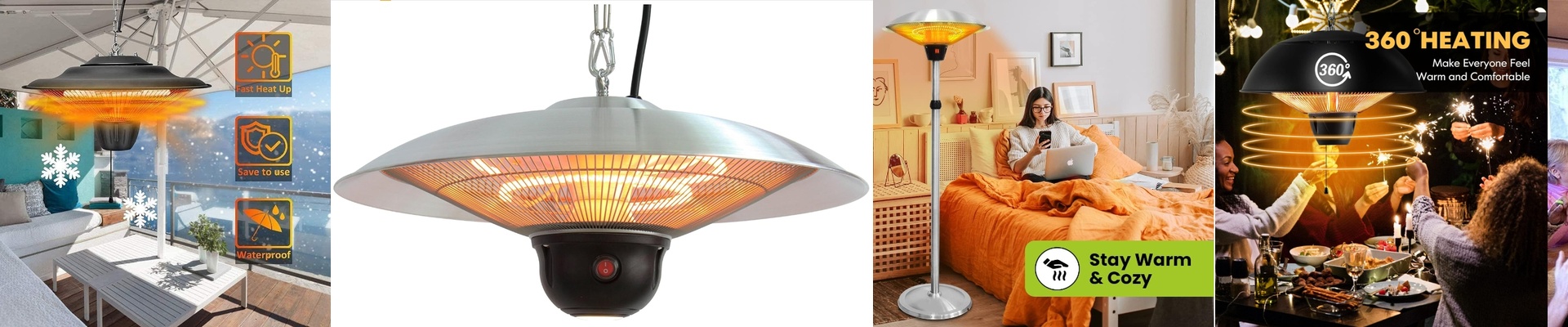
Winter has a way of making evenings feel like a waiting game. You flip on the central heat, wait for the air to move, and still feel that damp chill hanging on the walls and floors. The air turns dry, the energy bill climbs, and comfort never feels like it sticks. That’s where an infrared panel heater comes in—because it warms people and surfaces first, not just the empty space between them.
What matters, technically
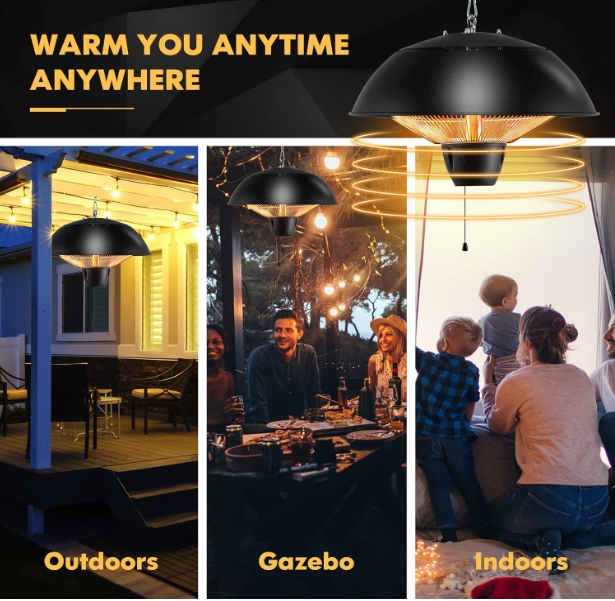
Infrared panel heaters deliver radiant warmth—think sun on a clear day, minus the glare. We lean on a carbon fiber or quartz element to produce a clean band of heat that travels outward and gets absorbed by skin, clothing, and furnishings. The payoff is immediate warmth, even when the room air stays cooler. Most models run on standard 120V or 240V circuits, pull 600–1500W, and mount flush to a wall or ceiling. You get near-instant heat, with no fan noise and no forced air kicking up dust. Controls stay simple: a thermostat for steady comfort, plus the safety basics—tip-over protection and an overheat cutoff. For bathrooms or covered outdoor rooms, go with an IP-rated enclosure rated for damp locations.
Why it works in the real world
Modern homes love open layouts, big windows, and hard surfaces. Great for light and space. Not great for even heat. Infrared warmth targets the real issue: you feeling cold. It settles into a gentle, even heat that helps muscles relax and keeps circulation comfortable, without the harsh blast of a blower heater. Because the heat is directional, you feel cozy faster, and you can keep the main thermostat lower—which can help with energy use. Put one in the living room, bedroom, or an enclosed porch, and winter evenings turn into quiet, comfortable time—no waiting, no drafts, just steady, people-first heat.
The details that make the difference
Infrared panel heaters do their best work when aimed at seating areas and kept clear of obstructions. They warm what they “see,” so coverage comes down to placement and line of sight. If you need whole-room heating, pair a panel with a small convection heater or your central system. Installation is straightforward for a qualified electrician, and most units mount with standard hardware. Keep the required clearances from curtains and furnishings, and don’t use them in fully exposed outdoor spaces unless the model is rated for outdoor use.