
In a gallery or museum, the wrong heat doesn’t just feel off—it quietly causes trouble. Convection systems kick up dust and humidity. Forced air creates hot and cold pockets that put canvases, wood, and pigments on the edge. The fix is a different approach to warmth—one that treats the room as carefully as it treats the people inside.
What matters, technically
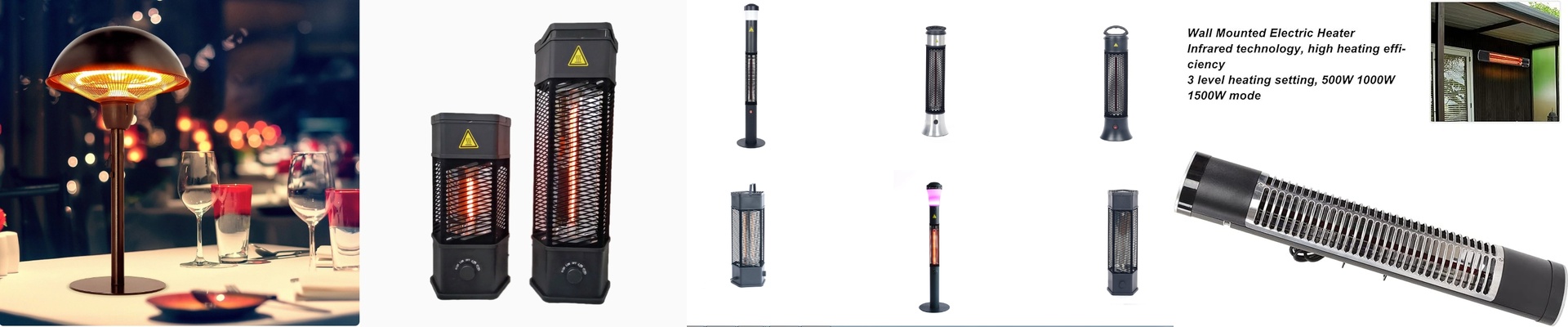
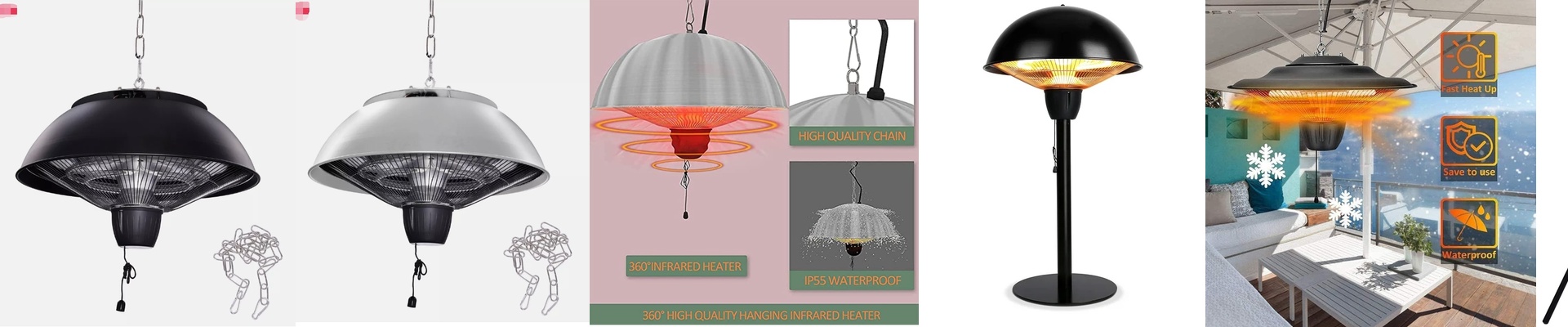
For conservation, an in-wall electric fireplace needs infrared radiant heat, not air movement. Short-wave infrared, usually delivered through a quartz element, travels outward and warms people, floors, and display cases directly. The air itself stays largely undisturbed. In practice, that means more stable microclimates around each artifact and fewer swings in relative humidity. The unit sits flush in the wall, with a discreet trim that keeps sightlines clean. Electric operation keeps emissions out of the space, and you can pair the system with a thermostat for precise, repeatable temperature control.
Why it works in this setting
Galleries need heat that behaves predictably. Infrared warmth targets the occupied zone, so visitors feel comfortable without driving up the air temperature—or the stress on sensitive materials. Because the heat isn’t blowing, there’s less air exchange pulling in pollutants, and less chance for condensation patterns to form on nearby cold surfaces. You get a stable environment that helps protect collections, while still delivering the gentle, even feel of a fireplace—no flame, no ash, no odor.
What to keep in mind
This is an electric, in-wall installation, so it needs the right electrical provision and proper clearances, whether you’re building new or retrofitting. The radiant output warms objects and people quickly, but it won’t feel as “hot” as forced-air heat, because it isn’t heating the air first. Plan the layout around sightlines and reflective surfaces. And before you lock in setpoints, line up the room’s humidity targets with your HVAC and conservation team.