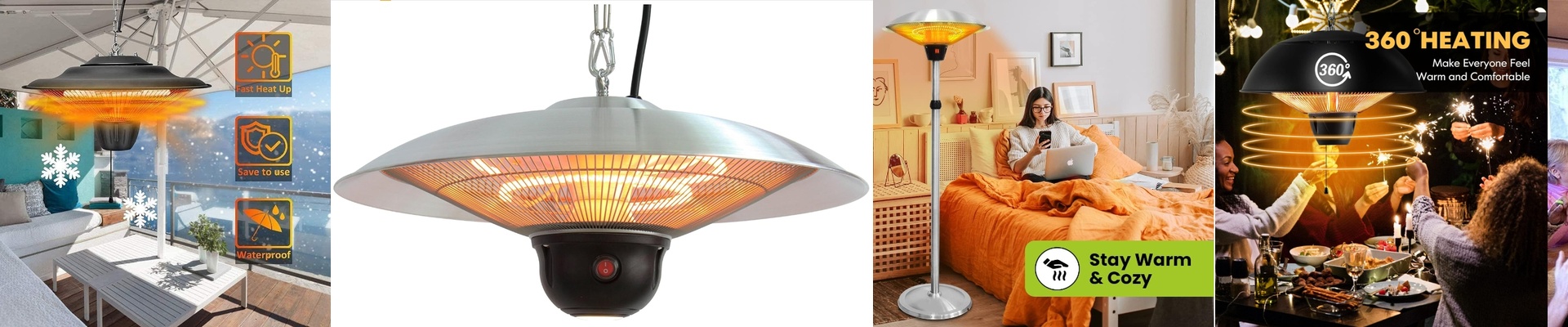
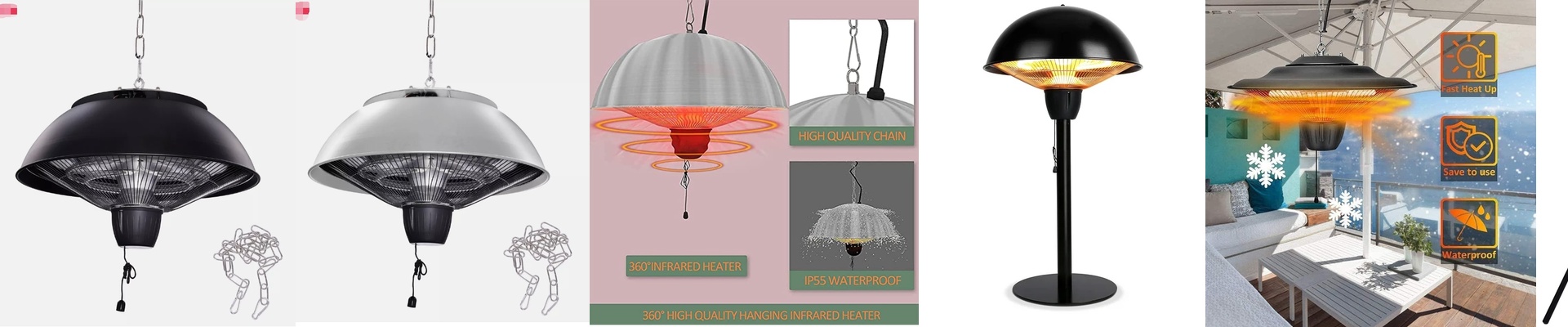
Why we’re ditching old light warmers for high-IP infrared heaters
You know those old-school bathroom heat lamps? The ones that basically just act like giant, power-hungry lightbulbs? They’re a waste. Most of that energy goes into making the room bright, not making you warm. That’s why we’re seeing a big shift toward high-standard waterproof infrared heaters. Instead of trying to fight the damp air and warm up the whole room, these things beam heat directly onto you. It’s the difference between waiting for a room to warm up and stepping into a beam of sunlight.
Dealing with the steam
Bathrooms are tough on electronics. When the room fills with steam, traditional heaters just struggle. The moisture gets in the way, and you’re left shivering anyway. Infrared is different. It uses short-wave radiation that cuts right through the humidity to warm your skin on contact. But there’s a catch: if the unit isn’t sealed properly, it’s toast. That’s where the “IP rating” comes in. Without a serious seal, moisture creeps into the guts of the machine, shorts the circuit, and you’re buying a new one in two years.
Built to survive the splash zone
We don’t mess around with the materials here. We use sealed quartz glass and housings that won’t rust or corrode when things get salty or soapy. The internal elements are shielded, too. If a stray drop of water hits a red-hot surface, the glass can crack from the shock. Not great. Our goal is to build something that can take a beating from constant steam and harsh cleaning chemicals without flinching.
The practical side of things
The best part? Switching to infrared usually puts less stress on your electrical panel than those old, high-wattage light banks. It makes the wiring a lot simpler. But a heads-up on the install: radiant heat only works if you can “see” the heater. If you tuck it too high up or hide it behind a wall, you won’t feel a thing. You’ve got to put it exactly where the person is going to be standing. One last thing—the better the waterproof seal, the harder it is for the internal electronics to breathe. That’s why we size the heat sinks carefully. We make sure the driver stays cool so the whole thing doesn’t overheat while it’s keeping you warm.