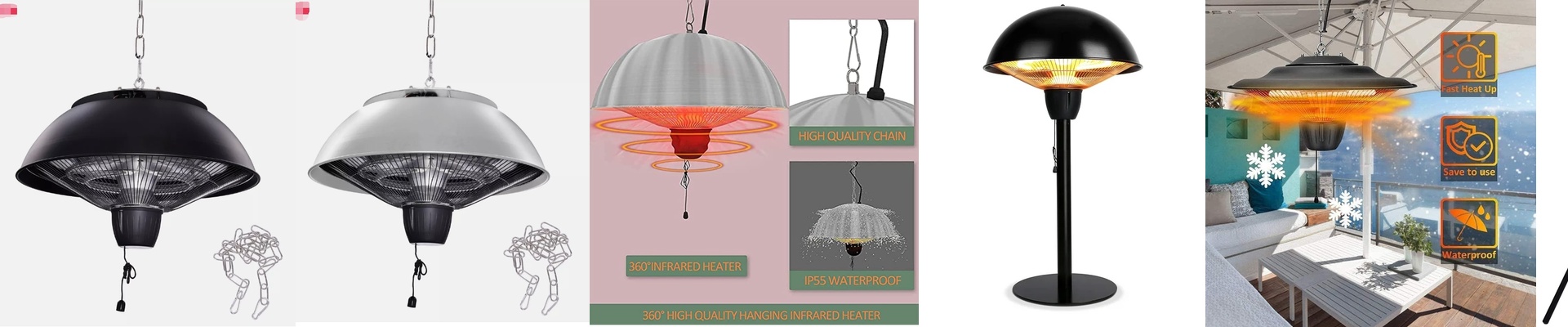
Stop Throwing Away Your Heaters
Most waterproof heaters are basically sealed boxes. That’s great for keeping out the dust and grime, but it’s a total disaster for the person actually tasked with fixing them. Imagine it’s five years down the line, a tube burns out, and suddenly you’re staring at a unit that was never meant to be opened. We got tired of that. So we built our IP65 infrared modules differently. The “Swap and Go” Mindset Instead of welding the heating elements into a permanent frame, we went modular. Think about it: if a lamp dies or the reflector starts to fade after years of hard use, you shouldn’t have to toss the whole housing in the scrap bin. You just swap the internal module. No fighting with permanent seals. No rewiring the entire machine while you’re sweating on a shop floor. You just pull the dead unit out, drop a new one in, and you’re back in business. We’re talking about turning a four-hour nightmare into a fifteen-minute job. Keeping it Dry (Without the Headache) Usually, getting an IP65 rating means heavy gaskets and bolts that feel like they’re welded shut. We used precision seals instead. They keep the water and dust out of the electronics—exactly what you need—but they don’t lock the parts in place forever. You get the protection, but you still have a way in. One Small Catch Here’s the thing: modular gear needs to fit perfectly. Since we aren’t using permanent welds to hold everything steady, the mounting brackets have to be spot on. If your frame is warped or the holes are off by even a couple of millimeters, the module won’t sit right. And if it doesn’t sit right, you lose that waterproof seal. Just make sure your mounting surface is flat before you start. It’s a small detail, but for plants running 24/7, it’s a lifesaver. You stop stressing about the “what if” of a breakdown because you know the fix is just a quick drop-in replacement.