Making Your Bathroom Heaters Actually Smart
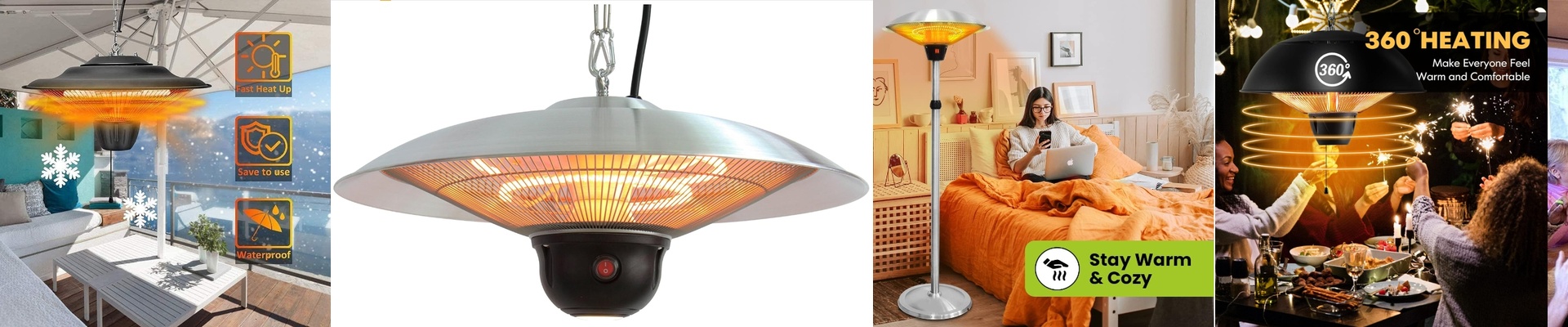
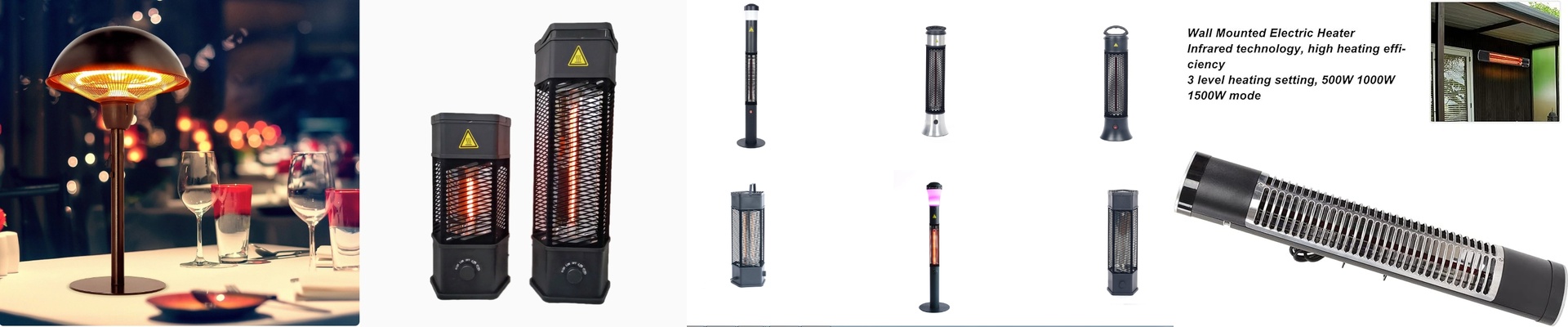
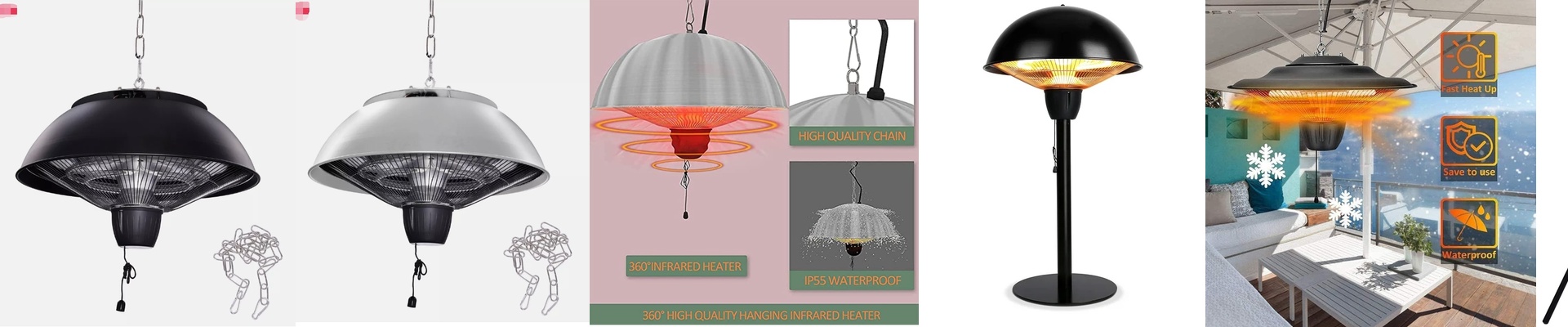
Bathrooms are basically torture chambers for electronics. Between the steam and the occasional splash of water, it’s a recipe for a short circuit. You can’t just toss a regular heater up in the ceiling and hope for the best. That’s why we stick with sealed infrared emitters. They keep the corrosion out. But the real win is how they work. Instead of trying to warm up all that chilly air in a drafty room, infrared goes straight for the target. It heats you and the surfaces around you directly. It’s a different kind of warmth. Most heaters are slow. You turn them on, wait ten minutes, and you’re still shivering. Infrared is different. It hits full power in seconds. When you hook these up to a smart hub—whether you’re using Zigbee or Wi-Fi—that lag disappears. Your system flips the switch, the filament glows, and you feel the heat instantly. It’s like a shot of spring in the middle of January. But here’s the thing: you can’t just wing the installation. You need a relay that can handle the initial “surge” of power when the lamp kicks in. If you use a cheap switch, the contacts can actually weld themselves shut. Plus, the housing has to be IP-rated. It needs to be tight enough to keep moisture out, but the lens has to be clear so the heat waves can get through without bouncing around. Now, adding smart controls does make the wiring a bit more crowded. You’re swapping a basic wall switch for a powered controller and a wireless module. And look, tech fails. Your Wi-Fi will drop. Your hub will glitch. That’s why I always tell people to keep a physical override switch. You don’t want to be stuck in a freezing bathroom just because your router decided to reboot. One last tip: watch your power load. These lamps pull a lot of current. If you cram four of them onto one smart circuit without checking your wiring specs, you’re going to be spending a lot of time resetting your breaker.