Why Vacuum IR Heating is a Win for Semi-Fab
Let’s be honest: traditional drying lines are a pain. Between the bulky convection ovens and the nasty chemical solvents, the whole process feels outdated. That’s why we’ve been moving toward infrared (IR) technology. It’s cleaner, it’s faster, and it actually fits the “green” standards we’re all trying to hit these days.
How it actually works in a vacuum
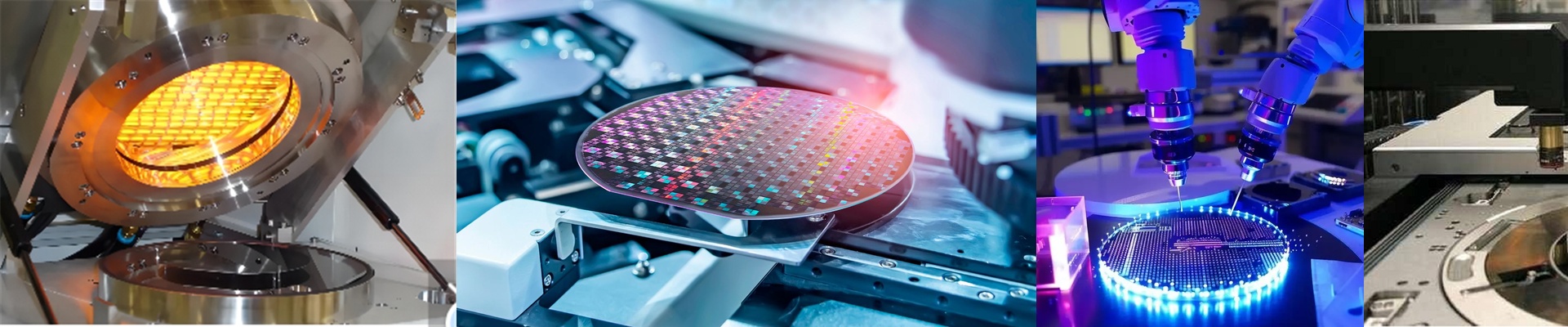
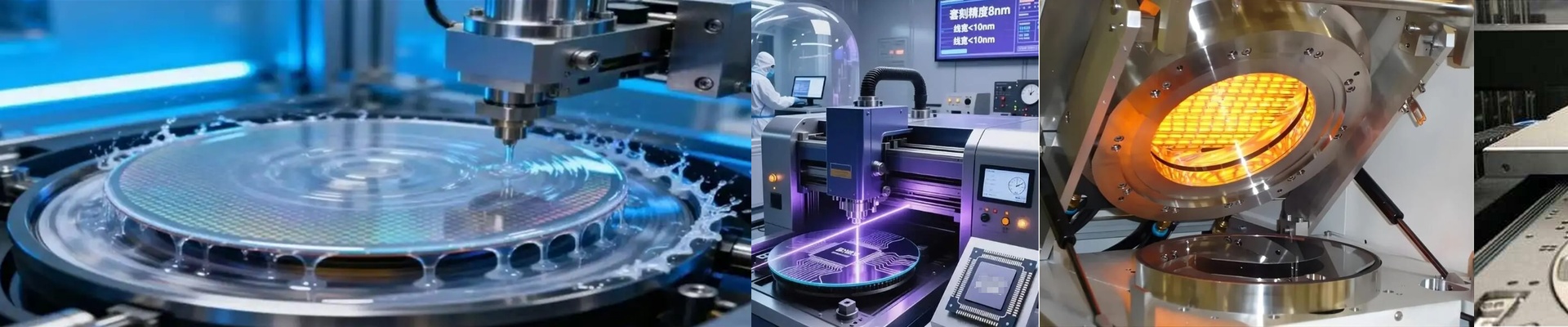
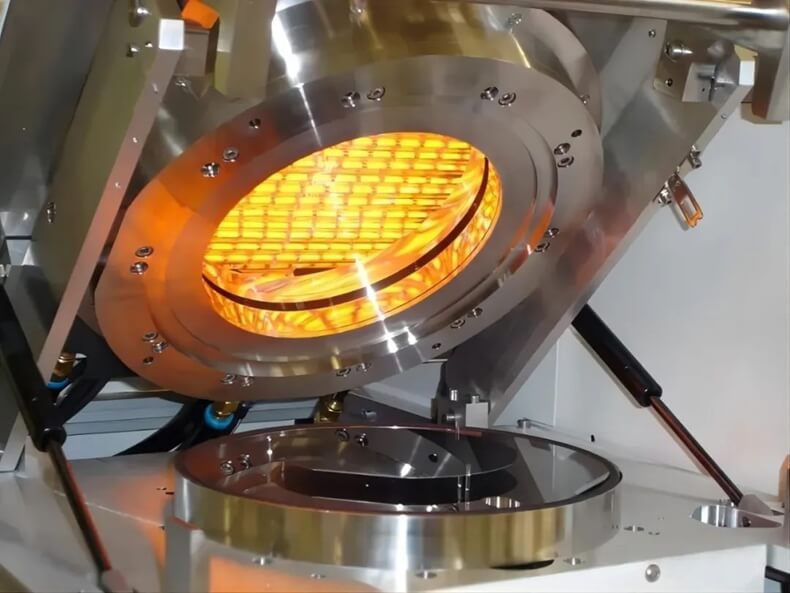
Here is the thing about vacuum environments: air is gone. And if there’s no air, convection doesn’t exist. You can’t just “warm up the room” to get your parts dry. Instead, we use radiative heat. We build our lamps with high-purity quartz and special filaments that shoot out shortwave radiation. This energy doesn’t waste time heating up the chamber walls; it goes straight into the substrate. It’s fast. Really fast. We’re talking about shrinking a curing cycle from hours down to a few minutes.
Getting rid of the “nasties”
For a long time, the only way to get things to melt or cure without scorching the silicon was to use lead-based fluxes or VOCs. Nobody likes dealing with those. With IR, you can hit the exact temperature needed for lead-free solder and polymers without worrying about frying your delicate dies. Plus, since it’s all electrical energy and photons, there are no combustion by-products. No CO2, no NOx. Just a clean process that actually belongs in a clean room.
The “Gotchas” (and how to fix them)
Now, it’s not all magic. High-density IR lamps put a lot of heat on your vacuum seals. If you go with a high-wattage array without thinking about your cooling jackets, you’re going to have a bad time. Overheated flange seals mean vacuum leaks, and leaks mean contaminated batches. To avoid that, we usually plug in PID controllers and fast-response pyrometers. It keeps the temperature from overshooting and saves your seals. The trade-off is worth it. You get a much smaller footprint and you stop paying to heat empty air. It just makes the whole fabrication process feel a lot more modern.