
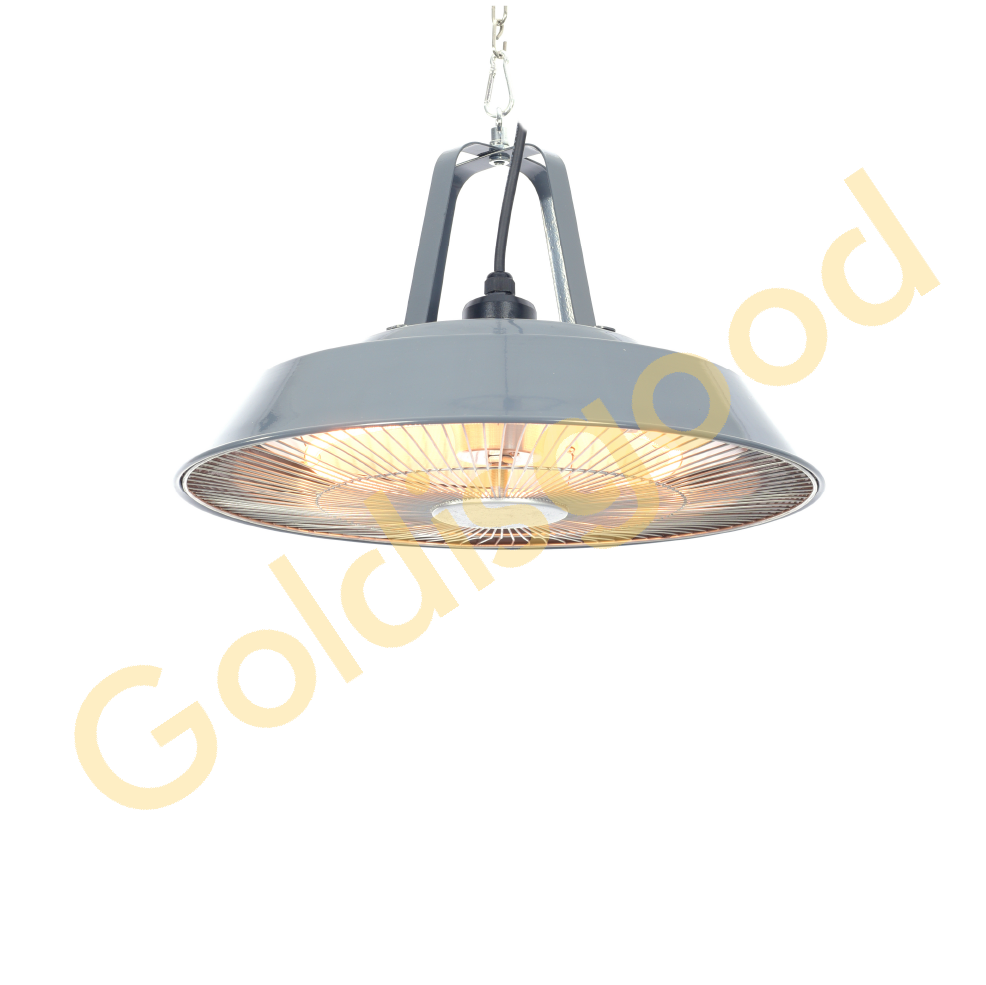
Why your bathroom needs more than just a “heater”
When most people think about a recessed bathroom heater, they just want to stop that shivering feeling when they step out of the shower. But from an engineering perspective, these things are actually secret weapons for fighting moisture. They don’t just warm up the air. They use infrared (IR) waves to go after the water molecules hiding in your walls and ceiling.
How it actually works
Here’s the thing: most heaters just blow warm air around. That’s convection. But these ceiling units use shortwave IR. Instead of heating the air, the energy sinks right into the surfaces of your room. It makes the water molecules vibrate and move faster, which basically forces them to evaporate. When you put these in a steamy bathroom, you’re creating a thermal push that kicks moisture out of your paint and drywall before it can settle in.
Stopping mold before it starts
Mold is picky. It needs two things to move in: a cool surface and stagnant water. By keeping your ceiling and upper walls warm—specifically above the “dew point”—you’re making the room a nightmare for mold. We tune the heat so it penetrates the wall enough to keep it dry, but not so much that it fries your paint. It’s all about finding that sweet spot between the wattage and how high your ceiling is.
A few things to watch out for
You can’t just slap these into any ceiling and call it a day. Shortwave emitters gethot. Really hot. You have to make sure the housing is vented properly and your wiring can handle the power draw. If the fit is too tight, you’ll get “heat soak,” which can actually damage your building materials over time. And a pro tip? Pair the heater with a decent exhaust fan. The IR heater flashes the moisture off the walls, and the fan carries it outside. If you don’t have that airflow, you’re basically just swirling steam around the room. Use both, and you’ve actually got a healthy, dry bathroom.