
Why Your Outdoor Heater Actually Dies (And How We Stopped It)
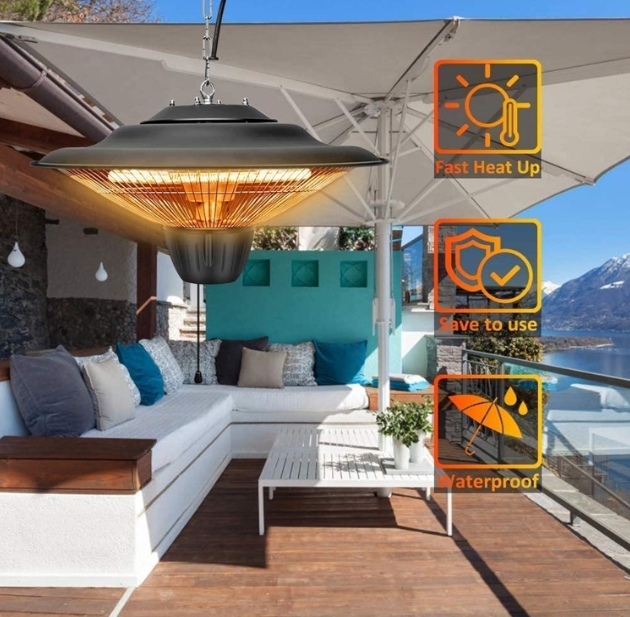
If you’ve ever owned an outdoor heater, you know the drill. One season it’s great, and the next, it’s a glorified piece of scrap metal. Usually, it comes down to two things: water getting where it shouldn’t and the brutal shock of extreme temperature swings. That’s why we lean so hard into the IP65 standard. It sounds like technical jargon, but in plain English? It just means we’ve built a fortress around the guts of the heater.
Keeping the Gunk Out
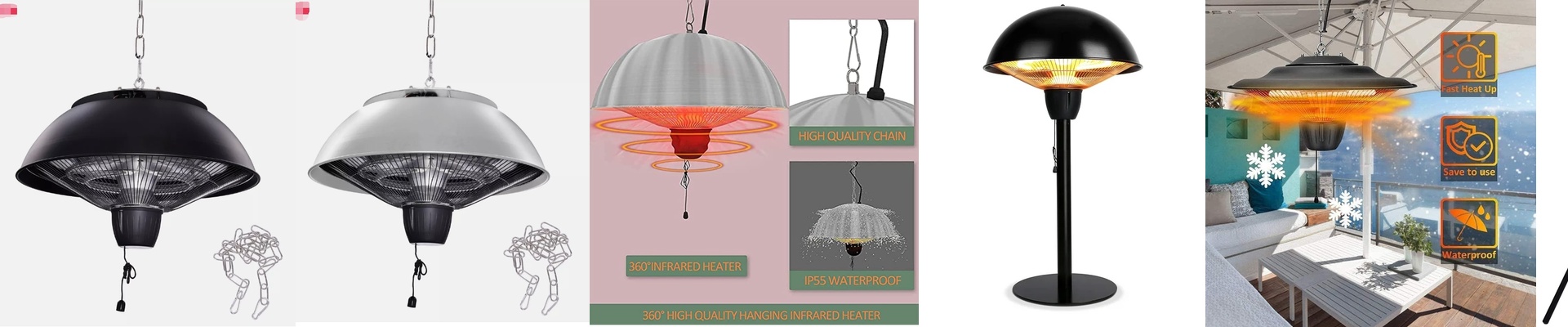
Here is the deal with IP65. The “6” means the chassis is totally dust-tight. No grit, no pollen, no random debris getting inside to settle on the heating element. Then there’s the “5,” which means if you hit it with a water jet from any angle, it doesn’t care. We make this happen with heavy-duty silicone gaskets and sealed cable entries. Why does that matter? Because when a stray droplet of water hits a scorching hot infrared tube, it creates a “cold spot.” That sudden temperature difference can actually crack the quartz. By keeping the electronics bone-dry, we stop the short circuits and burnouts that usually kill these units.
Fighting the Fog
Then there’s the condensation problem. You know that thin film of moisture that forms when the air cools down? It’s a nightmare for heat. That film scatters the infrared rays, meaning the heat doesn’t “throw” as far. You end up feeling a lukewarm breeze instead of a cozy glow. To fix this, we tweaked the shape of the housing. We designed it to keep air moving around the reflector, which stops moisture from pooling on the optics. The result? The heat stays focused on you, not on the heater itself.
The Honest Trade-off
Now, I’ll be straight with you: sealing a unit this tight means it can’t “breathe” as easily as an open-frame heater. Because the water can’t get in, the internal drivers run a bit hotter. This is where you need to be careful. When you’re installing it,don’t block the heat sinkswith your mounting brackets. If you do, the thermal cutoff might kick in during a heatwave, and your heater will shut itself down to stay safe. But honestly? It’s a trade worth making. We built these things to take a beating. As long as you wire them up right, the sealed design stops the corrosion that eats most outdoor heaters alive. It just lasts longer. Simple as that.