

Why we’re swapping hot air for IR in clean room ovens
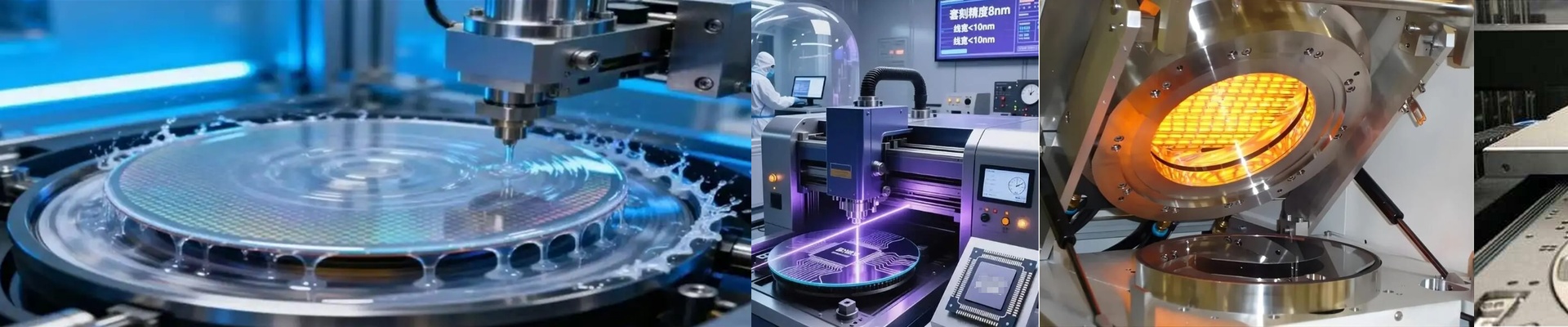
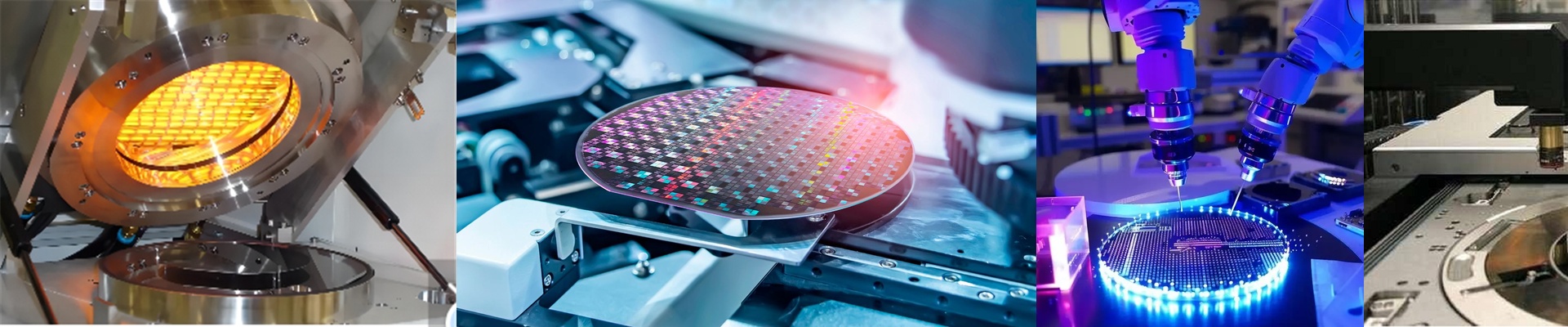
When you’re deep into semiconductor processing, everything comes down to one thing: how much time are you wasting? Most people are used to forced air. But here’s the problem—convection is slow. You’re basically heating up a giant box of air and waiting for those molecules to eventually nudge your workpiece. It’s tedious. Infrared (IR) just cuts out the middleman. Instead of warming the room, it beams energy straight into the substrate. Speeding things up In a typical clean room oven, you deal with this annoying thermal lag. You wait for the air to hit the right temperature, then you wait again for that heat to actually soak into the part. It’s a lot of standing around. IR heaters hit the target instantly. Imagine taking a 30-minute soak and shrinking it down to 5 minutes. If you’re running a high-volume line, that’s a massive win. You get way more done in a day without having to build a bigger clean room. The tricky part Now, you can’t just rip out a fan and slap in an IR lamp and call it a day. You’ve got to rethink the thermal load. Because IR is so concentrated, it’s easy to accidentally create hotspots if your reflectors are off by a hair. You also need PID controllers that can keep up with how fast the temperature jumps. Unlike those air ovens that just float at a steady ambient temp, IR is all about distance. If the emitter is too close to the wafer, you’re going to fry it. It takes a bit more precision, but the payoff is worth it. Keeping it clean The best part? No more turbulence. High-velocity fans are basically particle-movers; they kick up dust and debris. IR is static. It just sits there and works. This means your HEPA filters don’t have to work nearly as hard. You get a quieter, cleaner environment and a cycle that actually moves fast. If you’re trying to scale up and cut your lead times, this is how you do it.