
Stop Letting Your Patio Go to Waste in the Winter
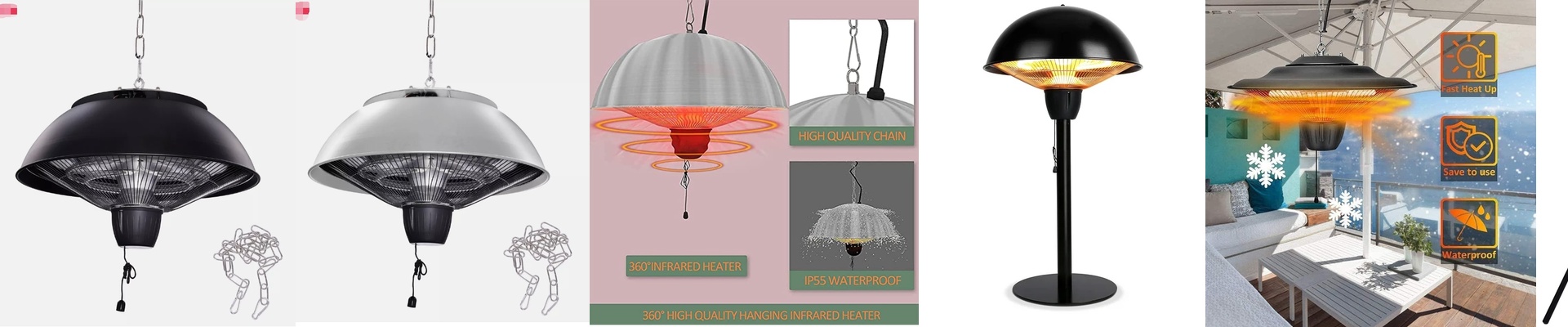
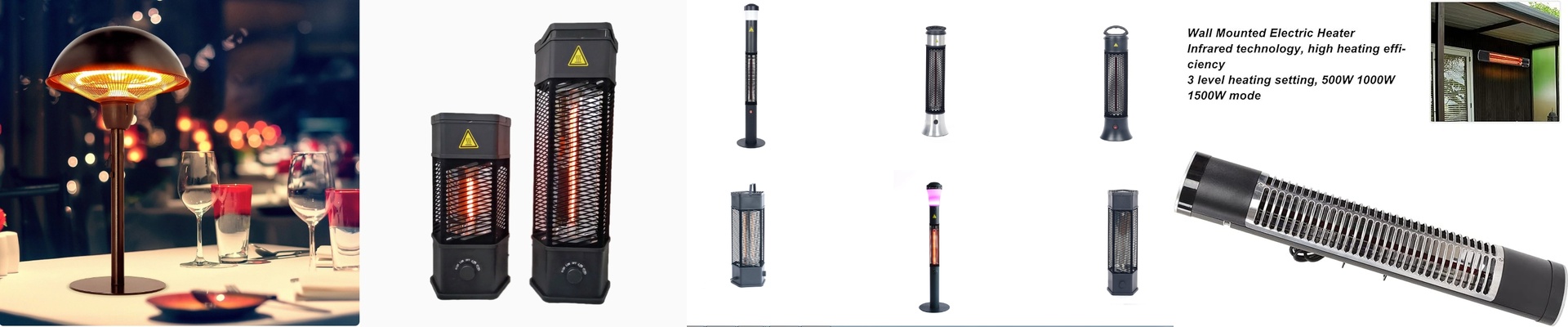
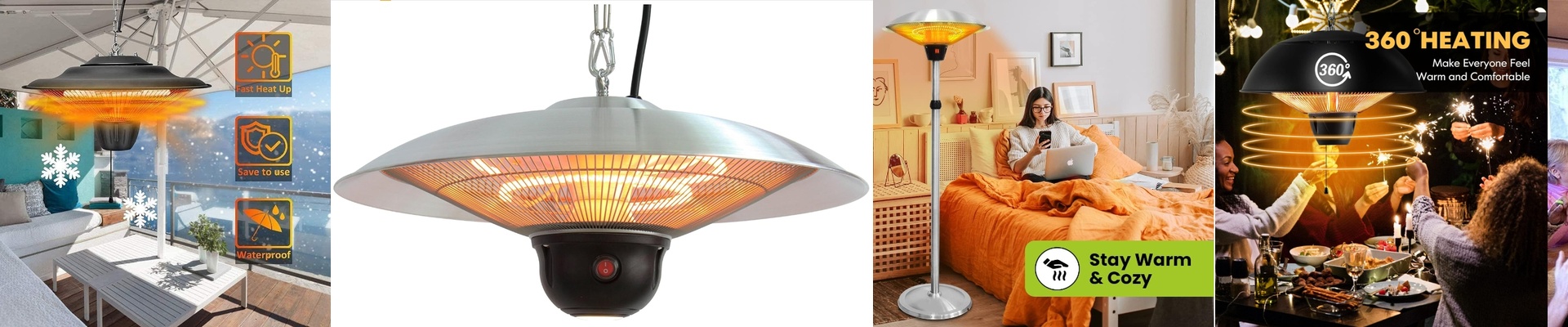
It’s a frustrating sight: a beautiful outdoor dining area sitting completely empty just because the temperature dropped. Most people try to fight this with standard space heaters, but there’s a problem. Those things try to warm the air, and in an open-air patio, that warm air just drifts away. You’re basically trying to heat the entire neighborhood. That’s why we use short-wave infrared. Instead of fighting the wind, these emitters send heat straight to your guests and their chairs. It feels like sitting in the sun on a spring afternoon. When people are actually warm, they stay longer. They order that extra round of drinks or a dessert they weren’t planning on. It just makes sense.
Built for the Real World (and Bad Weather)
If you’re putting these outside, you can’t be babying them. That’s why we go with an IP55 rating. In plain English? It means the housing is sealed tight against dust and can handle a decent spray of water from any angle. If it starts drizzling or a light snow hits, you don’t have to panic or rush outside to cover everything. You just leave them up and keep running. We usually set these up with high wattage to cut through those biting cold drafts. The heat comes in a concentrated beam, so you can point it exactly where your customers are sitting. Just a heads-up: make sure your electrical panel can handle the load. You don’t want to be tripping breakers right in the middle of a Friday night rush.
No Waiting Around
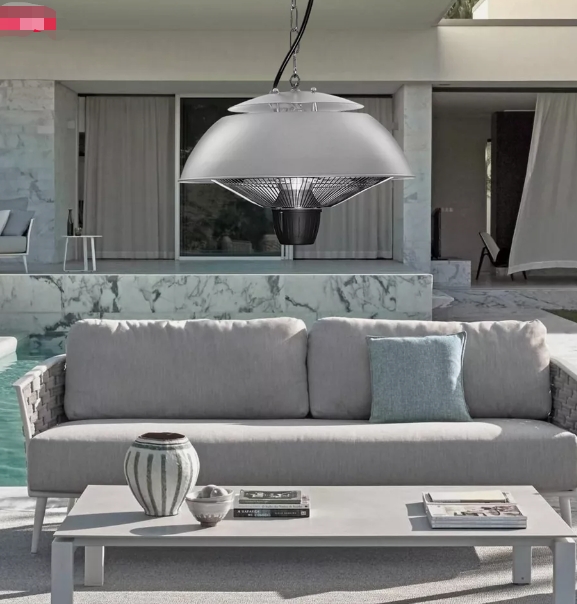
Nobody likes sitting in the cold waiting for a heater to “kick in.” These units use quartz tubes that hit their operating temperature almost the second you flip the switch. It’s instant. A new party sits down, you turn on the heat, and they’re cozy immediately. We usually mount them overhead to get the best spread. Just be careful with the placement. This stuff gets hot—really hot. Keep them a safe distance away from plastic umbrellas or fabric awnings so you don’t end up with scorched holes in your gear.
The Bottom Line
The math here is pretty straightforward. If you can keep your patio open for three or four extra months a year, the heaters basically pay for themselves through the extra covers you’ll pull in. Plus, because they’re built to handle the weather, you aren’t spending your spring replacing parts that rusted or shorted out over the winter. It’s the easiest way to keep your outdoor space making money all year long.