Why We Torture Our Bathroom Heaters (Before You Ever Buy One)
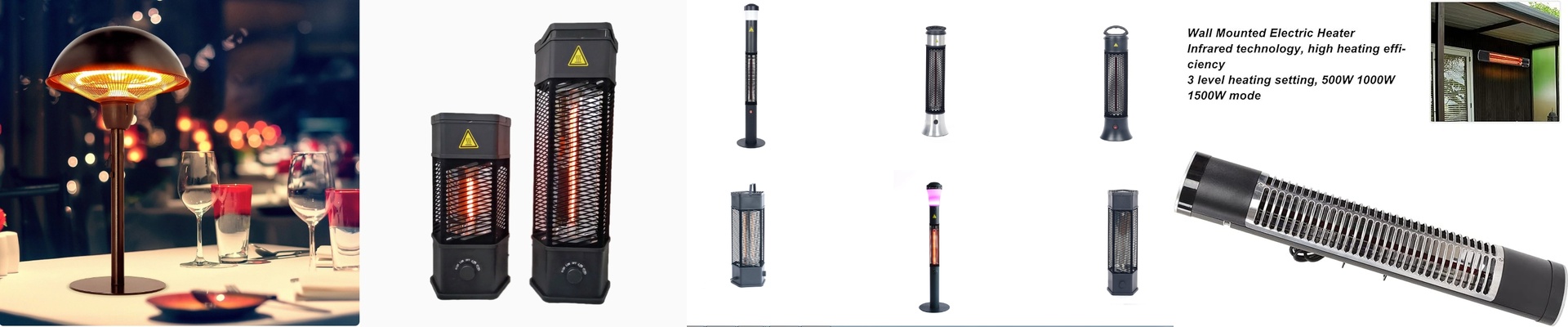
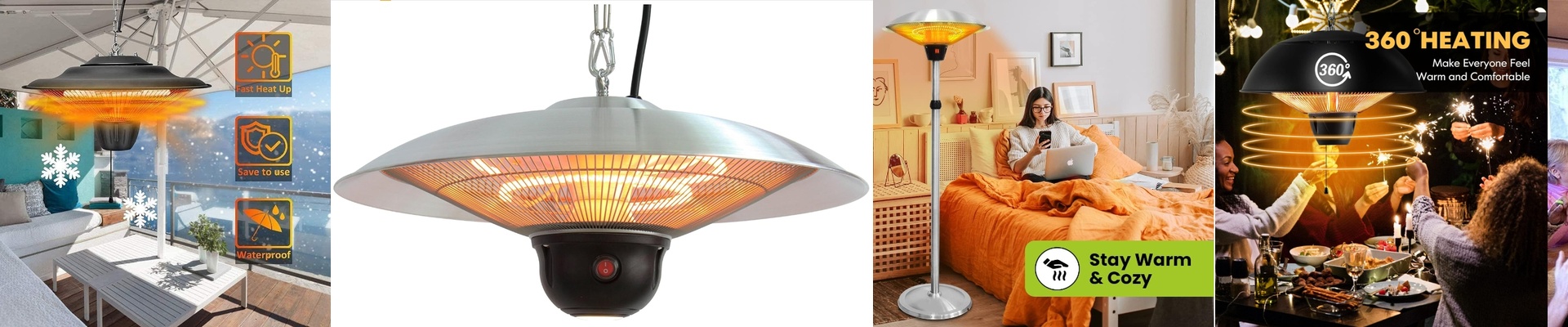
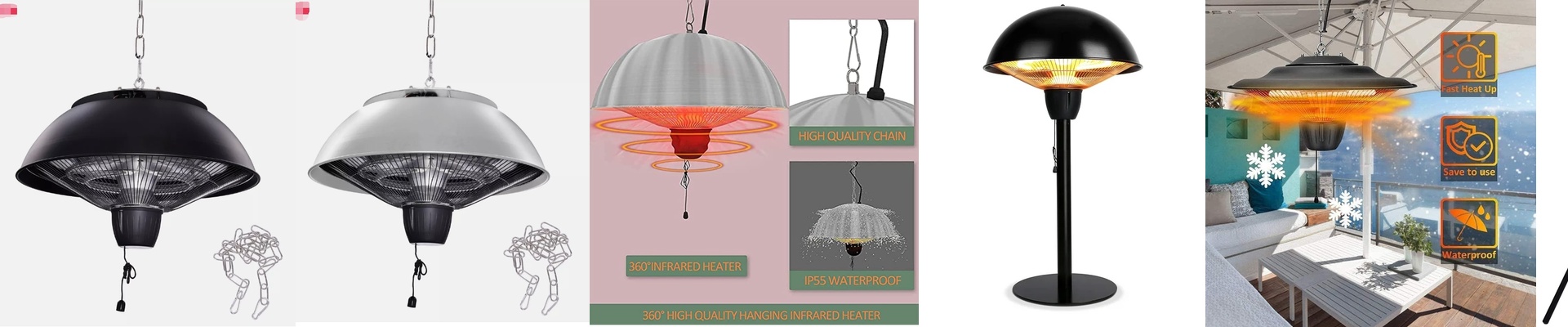
Bathrooms are absolute nightmares for heating elements. Think about it: you’ve got wild temperature swings and enough steam to make a sauna feel dry. If you put a standard industrial heater in there, it would probably corrode and die in a few weeks. That’s why we don’t just put these things together and ship them. We put every single batch through what we call “wet-heat aging tests.” Basically, we try to break them. We want to make sure your heater doesn’t just quit the second you turn on a hot shower.
The Battle Between Steam and Quartz
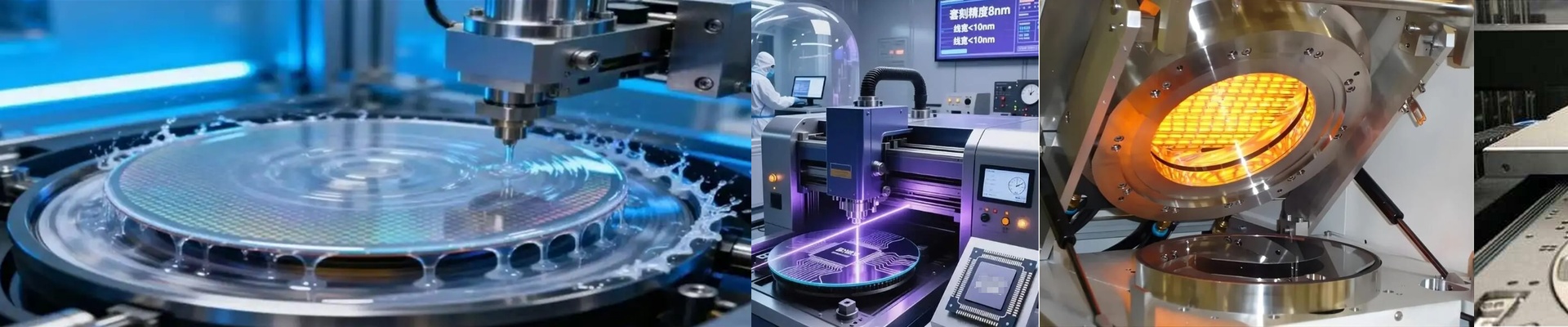
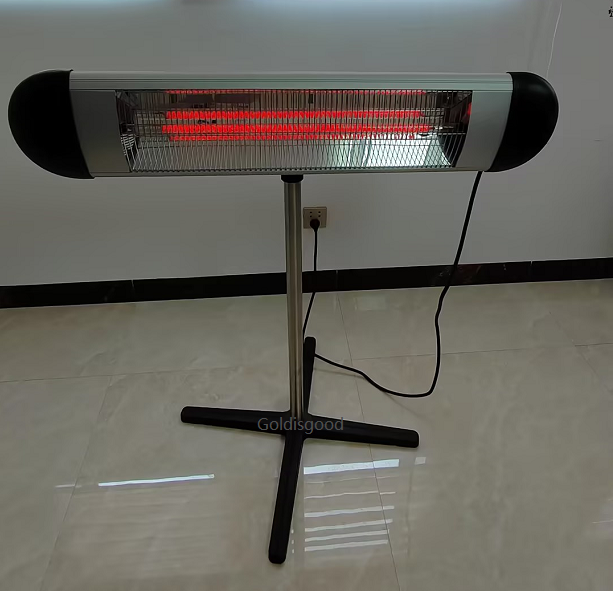
Most of our wall heaters use short-wave infrared quartz tubes. Quartz is fantastic for moving heat, but it has a weakness: the seal where the glass meets the metal electrodes. Here’s the thing—moisture loves to find a way into those seals. Once water vapor hits the tungsten filament inside, it’s game over. The filament oxidizes, gets thin, develops a hot spot, and then snap. To stop that from happening in your home, we simulate years of steam exposure in a fraction of the time. We cycle the heaters through brutal heat and humidity to force any leaks to show up while the unit is still on our factory floor, not yours.
It’s Not Just About Rust
Water vapor does more than just corrode parts; it actually changes how the unit cools down. In a damp room, heat doesn’t always leave the reflector or the housing evenly. If the materials don’t expand and contract at the same rate, things get messy. Brackets warp. Glass cracks. We keep a close eye on these physical shifts during our tests. We check the chassis for any weird bending and make sure the electrical insulation is still solid. If a unit loses its power output after 500 hours of this wet-heat torture, we toss the seal design and start from scratch.
The Trade-off
Does this slow us down? Yeah, it does. Rigorous testing means longer lead times and a slower production line. But we’d much rather ship a bit later than deal with a mountain of returns. You get a heater that actually keeps its heat and—more importantly—won’t cause an electrical short in a room full of water.