Making Your Workshop Heaters Actually Smart
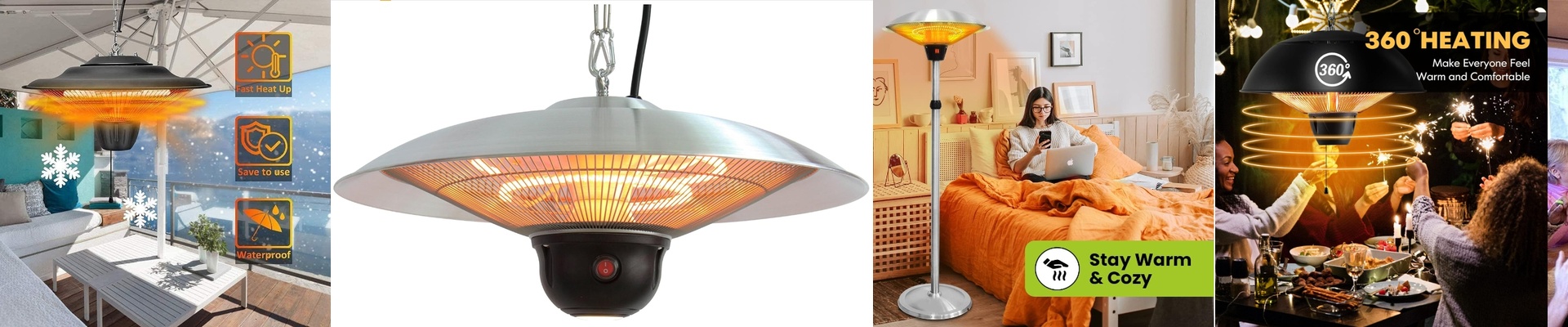
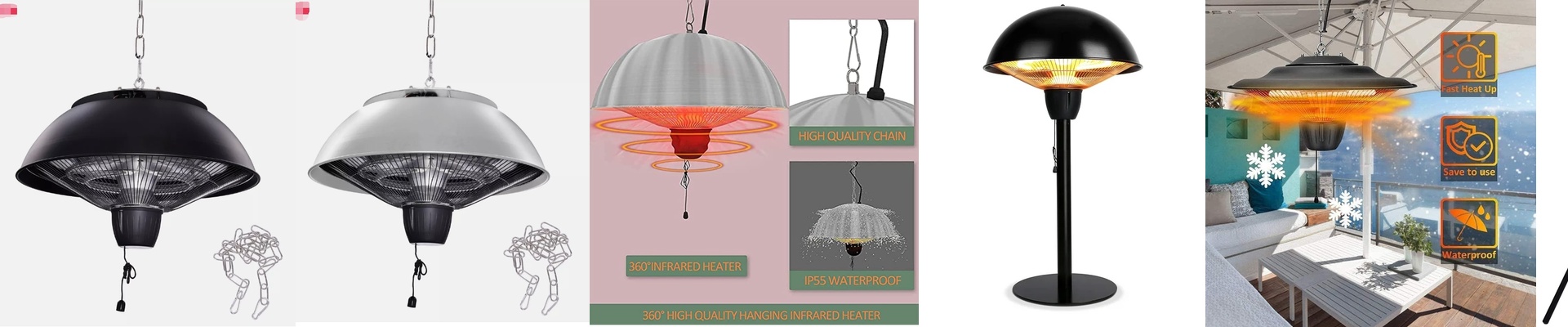
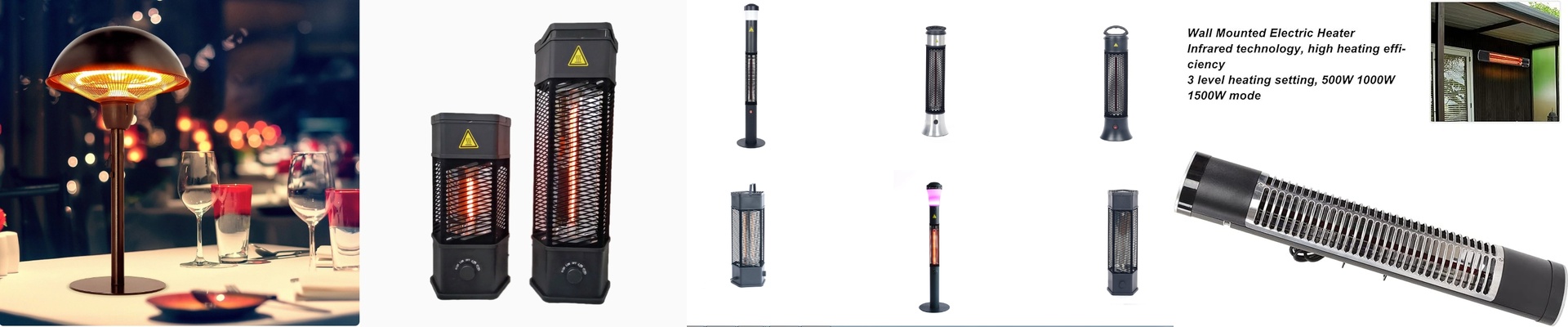
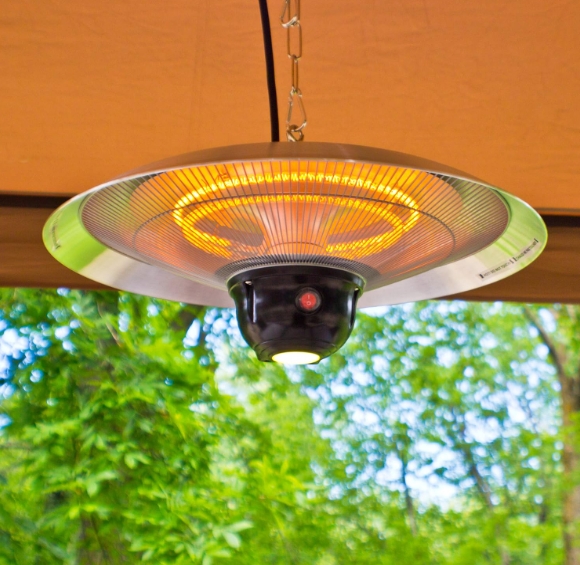
There’s nothing worse than walking into a freezing workshop on a Tuesday morning and realizing you have to wait an hour for the place to warm up. Most heaters try to warm up the air, which is basically a waste of time because the heat just floats to the ceiling. Infrared heaters are different. They beam heat straight down onto you and your tools. It’s like stepping into a patch of sunlight. But flipping a manual switch every time you walk in is a pain. That’s where smart controls come in.
Getting that “Instant Spring” Feeling
The goal is simple: you want the shop warm before you even put your boots on. Instead of messing with a boiler that takes forever to ramp up, we hook the heaters up to a heavy-duty smart relay or a PLC. This connects everything to your WiFi. Now, you can just tap an app on your phone or set a schedule. By the time you open the garage door, those infrared elements are already glowing and the chill is gone.
The Gear (And why you can’t just use a cheap plug)
Here is a word of warning:do notjust plug an industrial heater into a standard smart plug you bought online. You’ll fry it instantly. These heaters pull a massive amount of power. To do this right, we use contactors. Think of the smart controller as the “brain” that sends a tiny signal, and the contactor as the “muscle” that actually handles the heavy electrical load. If you want to get fancy, we add PID controllers and sensors on the ceiling. This stops the room from turning into a sauna by throttling the power once you hit that perfect temperature.
The Gotchas
There are two things that can really mess up your day if you aren’t careful. First, the power spike. If you tell ten 3kW heaters to turn on at the exact same millisecond, you’re probably going to trip your main breaker. It’s a loud, annoying way to end your morning. We fix this with a “staggered start.” We program the heaters to fire up in 5-second intervals. It smooths everything out and keeps your electricity stable. Then there’s the wiring. Heating elements can create a lot of electrical noise (EMI). If you use cheap wires, your sensors will start acting crazy and giving you weird temperature readings. Use shielded cables. It’s a small detail, but it’s the difference between a system that works and one that drives you insane.