


Why We Switched to Infrared Curing in the Cleanroom
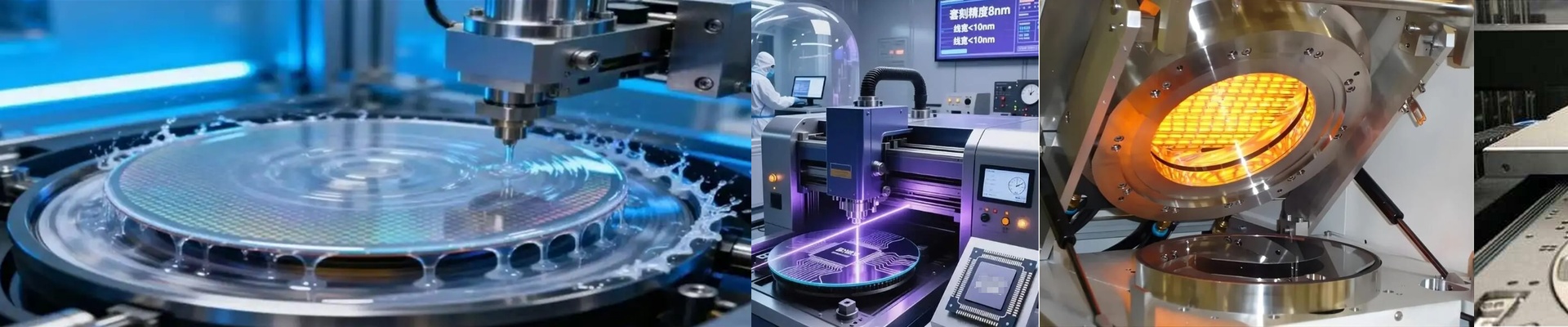
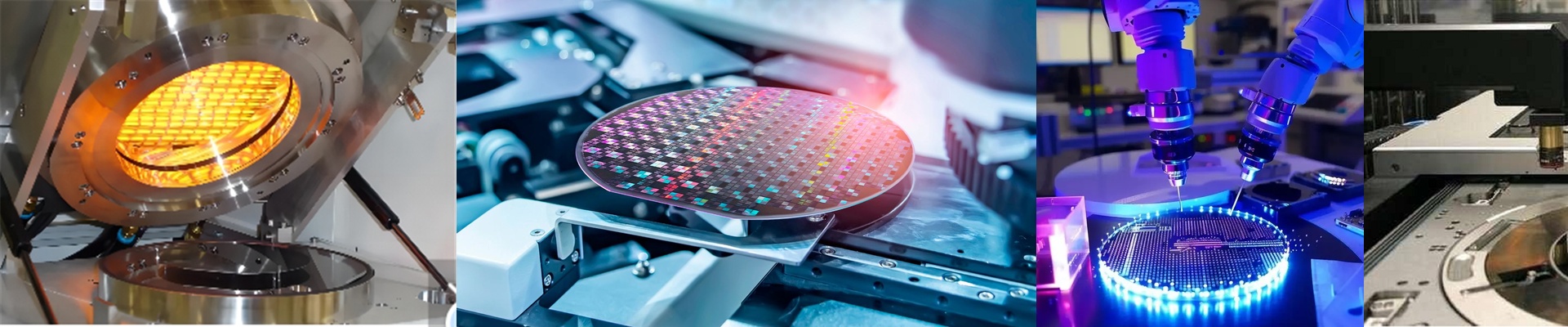
When you’re working in semiconductor fab, “clean” isn’t just a goal—it’s everything. You can’t have a single speck of dust or a tiny bit of residue messing up a wafer. For a long time, the go-to was convection ovens. But here’s the problem: those things basically just blow hot air around. That air carries particulates, and the amount of electricity it takes to keep a giant metal box hot is honestly staggering. That’s why we moved to infrared (IR) heaters. Instead of heating the air, IR sends energy straight to the substrate.
How it actually works
Think of it like standing in the sun on a cold day. You don’t feel the air get warm first; you feel the heat hitting your skin instantly. That’s exactly what’s happening here. The radiation hits the material, makes the molecules vibrate, and you have heat immediately. It’s fast. Really fast. Because we aren’t blasting hot air across the wafer, we don’t have to worry nearly as much about cross-contamination. Plus, it’s a lot kinder to the planet. We’ve ditched the old fuel-based systems that pumped out nasty VOCs, which makes those environmental audits a whole lot less stressful.
The tricky parts
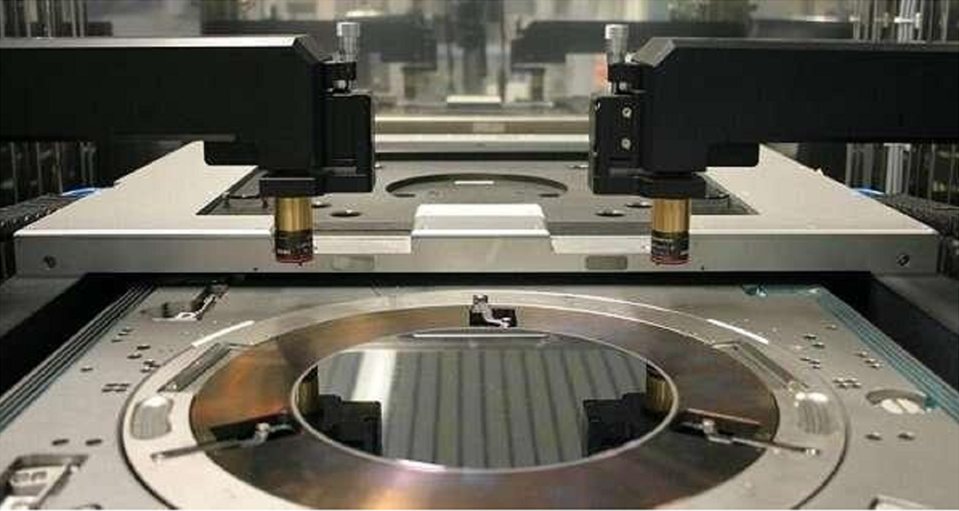
We usually go with short-wave or medium-wave IR lamps. If you need to dry photoresists or cure resins in a matter of seconds, short-wave is the way to go because it packs a punch. But you have to be careful. If you just crank up the wattage without thinking, you’ll end up with “hot spots” or, worse, a burnt substrate. It’s a balancing act. You have to get the distance between the lamp and the wafer just right. We use PID controllers and precision sensors to keep things steady so we don’t ruin a batch of expensive parts.
The bottom line for the business
The best part? The electric bill. You stop wasting kilowatts heating up the empty space inside a box and start putting that energy exactly where it belongs: on the part. It’s a pretty easy swap for most old convection setups. You save floor space, your energy costs drop, and you’re playing by the rules of the global supply chain without having to overthink it.