A Better Way to Heat Bio-Sensors
If you’ve ever worked with bio-sensor fabrication, you know the headache of curing and substrate bonding. You need the temperature to be exactly right—no more, no less. Most people just stick with the old convection ovens they’ve always used in their semiconductor lines, but honestly? Those things are energy hogs. We’ve been moving toward shortwave IR lamp systems instead. It’s a much cleaner way to work, and it actually helps hit those carbon-neutral targets by stopping all that wasted idling energy.
Stop Heating the Air
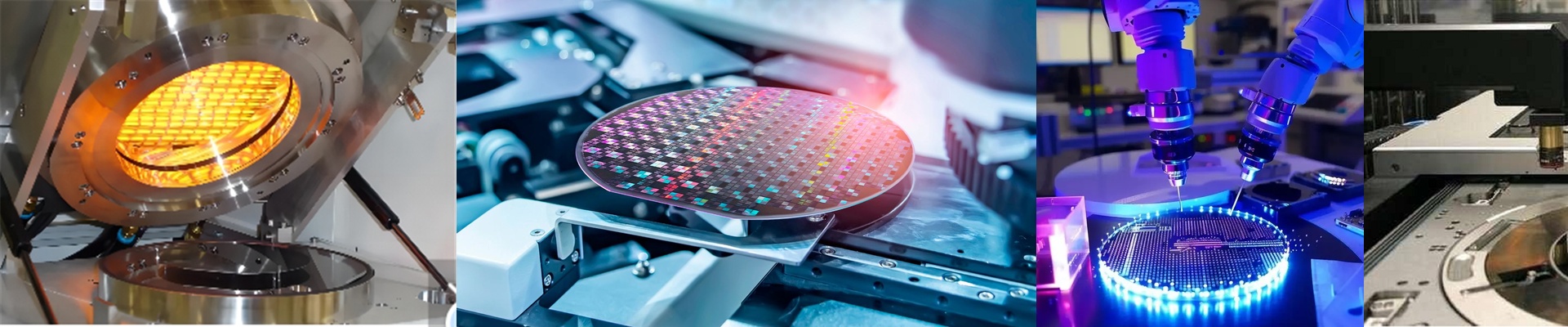
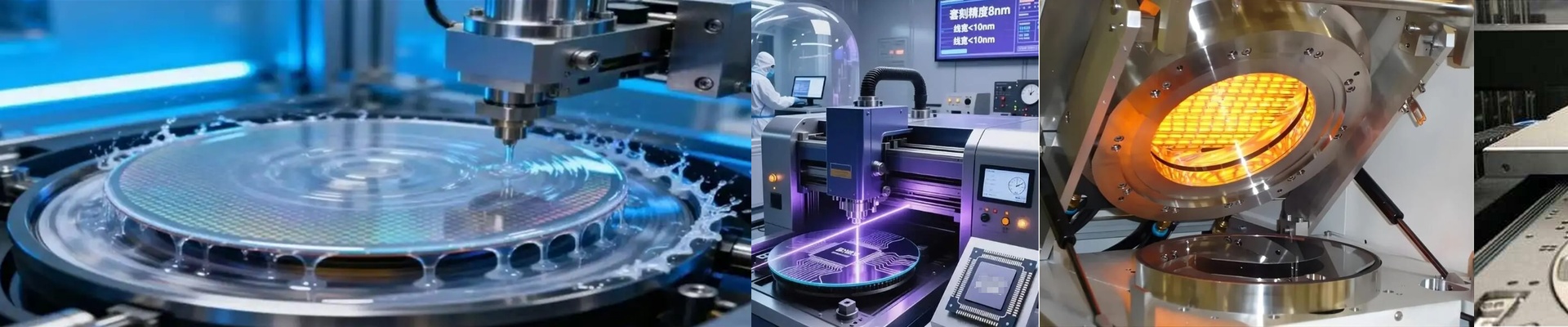
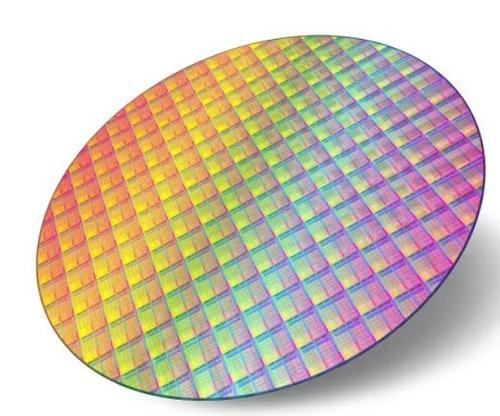
Here is the problem with conventional ovens: they heat the entire chamber. You’re spending kilowatts just to warm up the air around your product. It’s a waste. Our IR systems change that. They aim the energy straight at the wafer or the sensor substrate. Because we use specific wavelengths, the heat goes right into the material surface. The difference is wild. Your ramp-up time goes from minutes to seconds. Plus, the gear takes up way less space on your floor and your electricity bills actually start to drop.
Getting the Heat Right
We build these lamps for high power density because, in the bio-sensor world, “close enough” isn’t good enough. If your heating is uneven, you’ll end up with warped substrates or chemical bonds that just don’t hold. That’s why we use tungsten filaments and quartz envelopes—it keeps the output steady. But a word of caution: you have to watch your cooling. A high-density IR array puts out a massive amount of heat. If your exhaust system can’t handle the BTU load, your cleanroom temperature will start to drift. It’s a balancing act.
Making the Factory Greener
The best part about switching to IR is the “instant-on” capability. You don’t have to keep a furnace screaming 24/7 just to be ready for the next batch. You just turn it on when you need it. We designed these to be drop-in replacements, so you don’t have to tear apart your whole thermal stage to make them work. There is one catch, though: distance is everything. If the lamp is too close, you’ll fry the bio-active layer. Too far, and your throughput tanks. To fix this, we usually plug in a closed-loop PID controller and an IR pyrometer. It keeps the surface temp within ±1°C, so you can actually sleep at night knowing the batch is perfect.