
Keeping Your Wafers Clean When Things Go Wrong
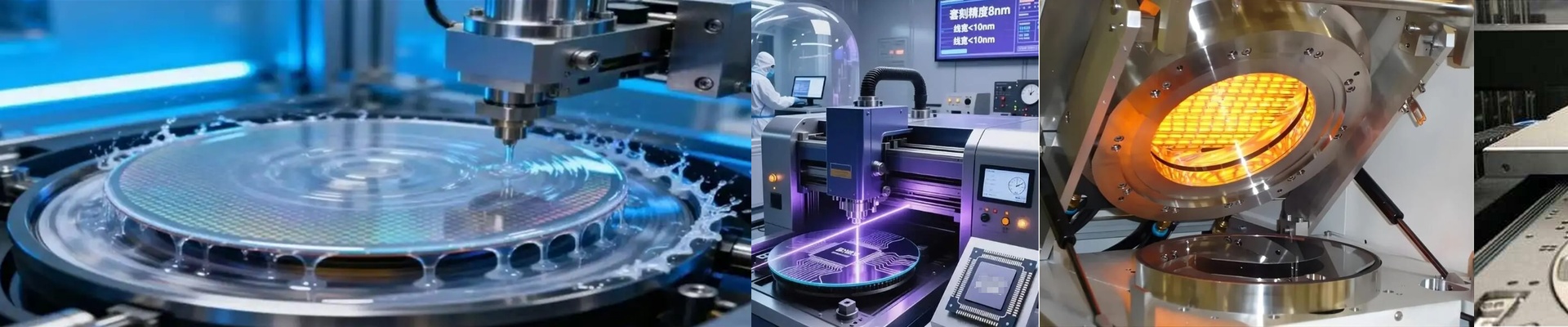
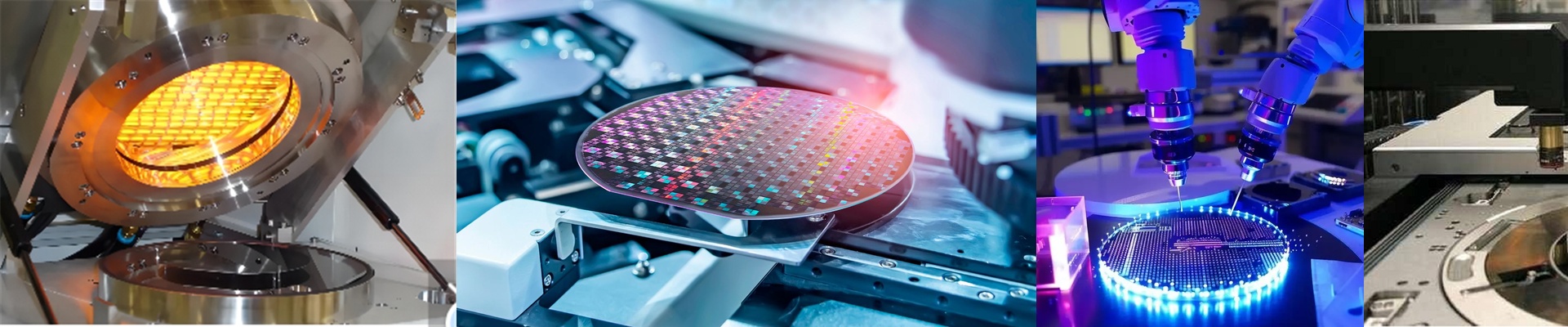
In a high-load fab, a lamp failure is a nightmare. It’s not just about the downtime. If a quartz tube bursts, you’ve got glass shards and chemical gunk raining down right onto your silicon. That’s a massive hit to your yield. We build our IR curing lamps to make sure that “worst-case scenario” doesn’t actually ruin your day. Stopping the shatter Here’s how we handle it: we use a shatter-resistant sleeve or an internal FEP coating. Think of it like a safety net. If the tube takes a hit from thermal shock or a sudden electrical spike and cracks, the coating keeps everything together. Instead of a mess in your cleanroom, you just have a contained failure. Much easier to deal with. Dealing with the heat When you’re running high wattage, things get hot. Fast. We use high-purity quartz so the lamps don’t burn out prematurely, but the hardware around the lamp has to keep up. If your airflow gets blocked, the ends of the tube overheat and the seals can give way. To stop that, we use reinforced end-caps. They hold tight even when you’re pushing the voltage to the limit. The electrical side of things Loose connections are a silent killer. They cause arcing, which creates these tiny, intense hot spots that eventually pop the tube. We use precision-fit connectors because a tight fit means a stable lamp. It just works better. One quick tip: make sure your power supplies are stabilized. Even the best coating can’t save a tube from a massive power surge. We build these for the heavy-duty grind, but they still need a clean electrical environment to actually last as long as they should.