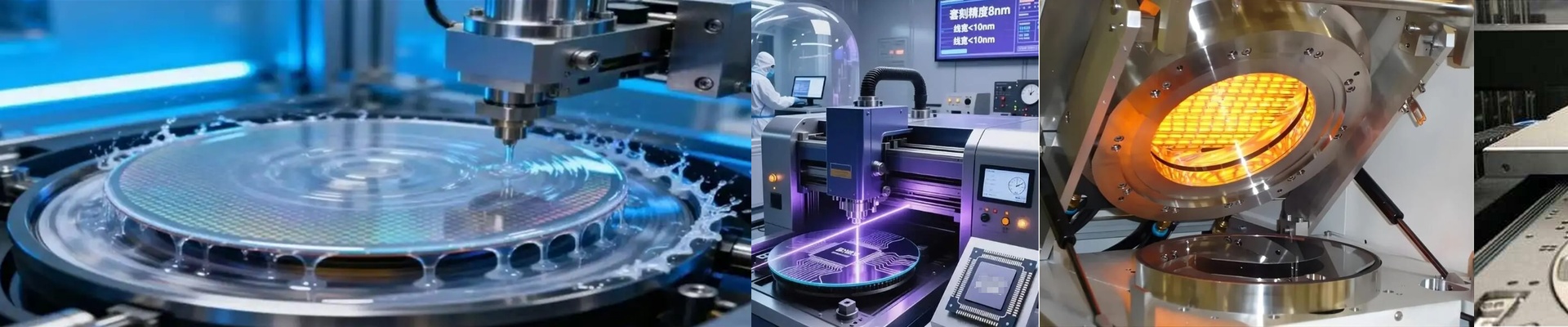
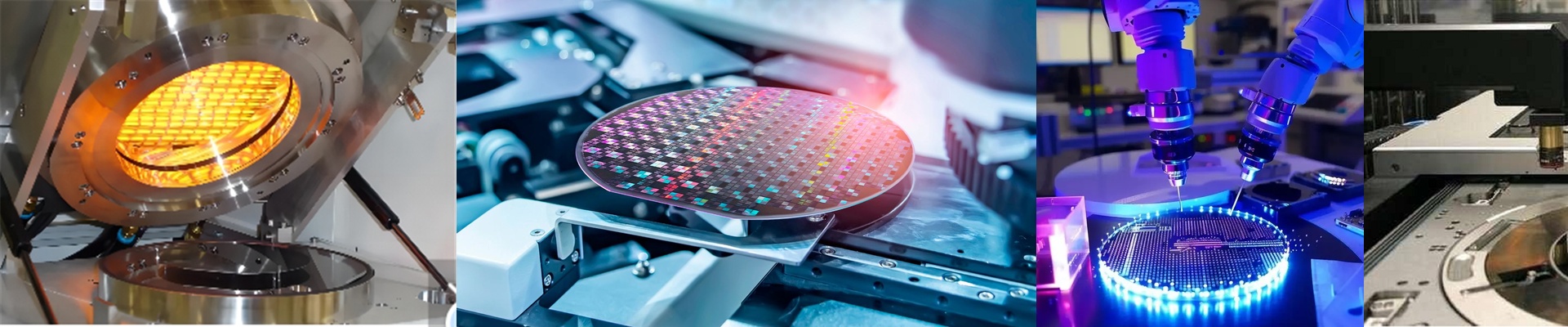
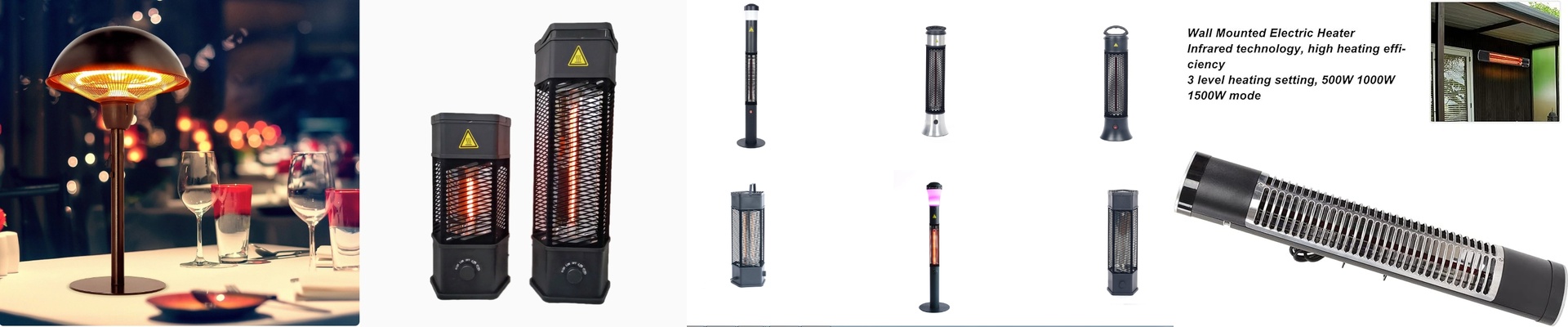
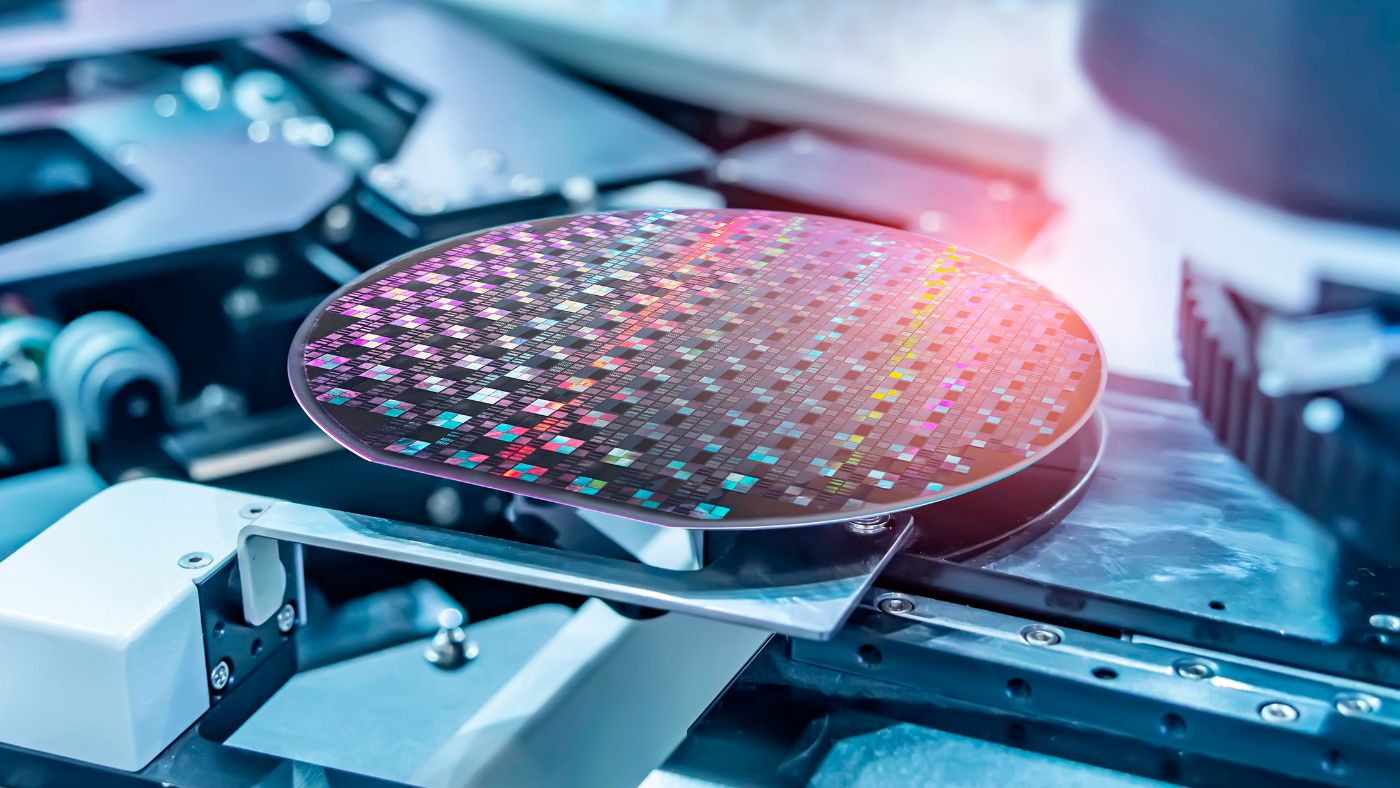
On the fab floor, photoresist bake performance is measured in nanometers, not opinions. A half-degree drift in soft bake or hard bake will shift critical dimension bias, and a particle spike can scrap a whole lot of wafers. That filament in the lamp module isn’t just a consumable—it’s the thermal anchor for the entire bake recipe. What matters, technically We build replacement filaments for fab lamps to hold stable, repeatable radiant heat under lithography bake conditions. The geometry is matched to the reflector and substrate so wafer-level uniformity lands within ±0.1°C. We spec the materials and joint integrity to prevent outgassing and keep particles from being generated, so you stay compliant in cleanroom Class 1–100. Output is tuned to the required spectral profile and power density, and voltage and connector compatibility are aligned to the tool. The payoff is a thermal budget you can count on: consistent temperature, bake after bake, shift after shift. Why it holds up in production When you’re running, you need uptime and repeatability. The filament holds the thermal profile required for photoresist soft bake and hard bake without hot spots or cycle-to-cycle drift, which cuts scrap and rework. Energy draw is optimized to the target temperature, so you lower operating cost per wafer. Equally important, the design keeps contamination risk down—particle counts stay flat and yields stay stable. Here is what you need to know Installation has to follow the tool calibration sequence. Swapping filaments shifts the thermal field, so you need post-install temperature mapping and emissivity compensation to get back to spec. Match the exact lamp part number and connector interface; a mismatch can introduce resistance variance that degrades uniformity. Plan replacements during scheduled maintenance windows to avoid unplanned downtime.