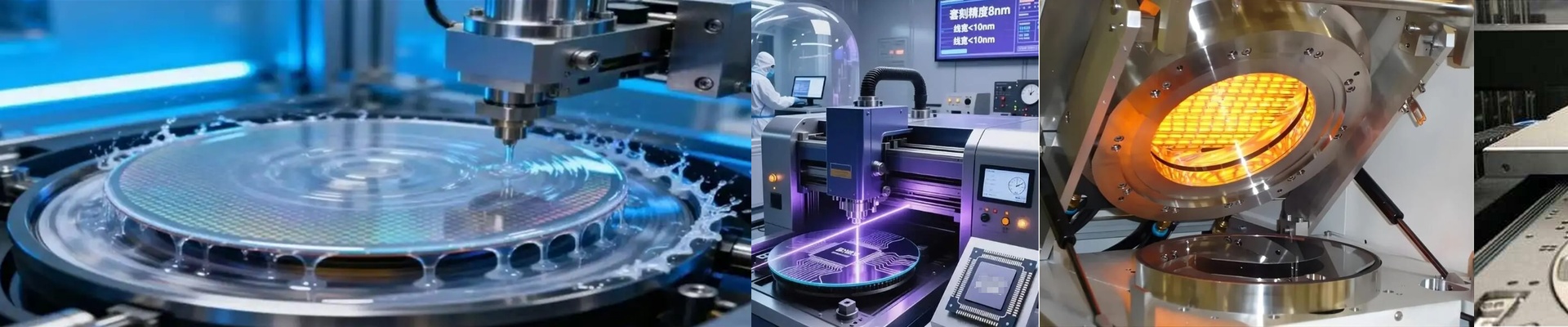
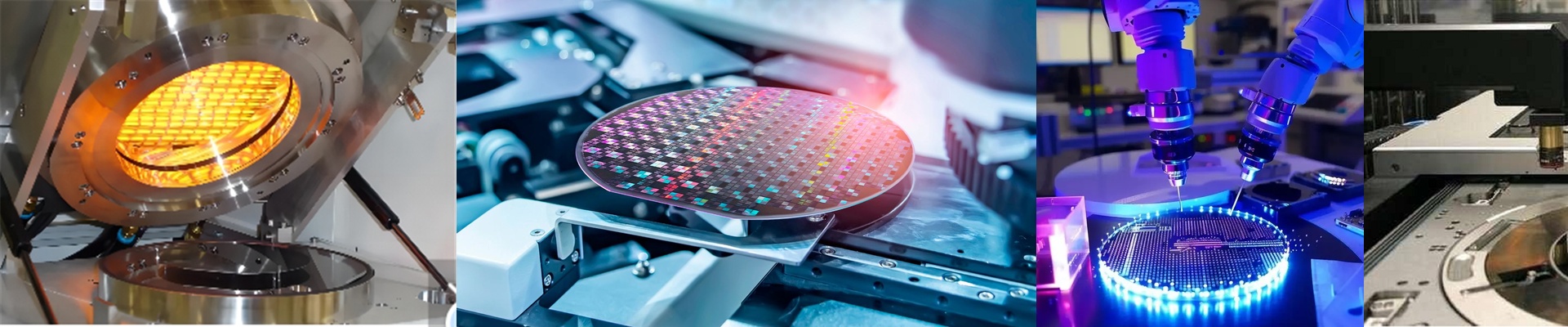
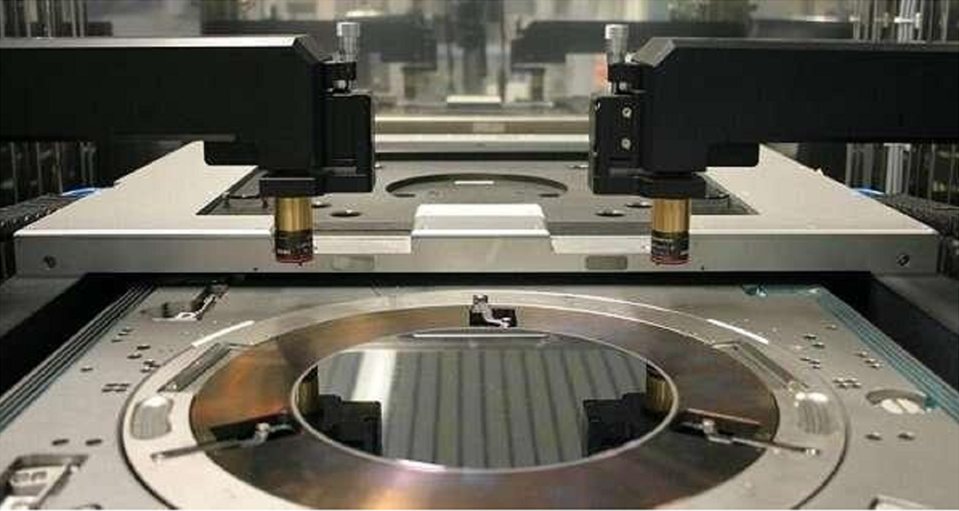
On the fab floor, a 0.5°C drift in bake temperature will move critical dimension bias by nanometers. Soft bake and hard bake aren’t just thermal steps—they’re dimensional commitments. If the lamp underperforms, the lot pays for it. What matters, technically Carbon fiber infrared emitters give you fast, stable radiant heating with tight spectral control, right where the polymer absorbs in the near-infrared. Across the wafer, thermal uniformity holds at ±0.1°C, so edge-to-center film thickness stays in spec. Warm-up to setpoint takes seconds, and repeatability lands in single-digit milliseconds—thermal budget stays consistent from lot to lot. The lamp body is built for Class 1–100 cleanrooms, using low outgassing materials and a geometry that minimizes particles, keeping defect counts down. Why it works in lithography In lithography, soft bake sets solvent removal and adhesion; hard bake locks the image before etch. With carbon fiber infrared lamps, the bake profile stays stable—line-width variation drops and you cut rework. Energy use falls because radiant heat goes straight into the resist with minimal substrate heating, and the system runs 24/7 with predictable maintenance intervals. The payoff: higher first-pass yield, fewer excursions, and a process you can back with data. Here’s what you need to know Installation comes down to orientation and cooling. For full thermal uniformity, map the emitter array to the chuck profile, and keep airflow from disturbing the radiant field. Compatibility depends on the specific coater/track interface and control protocol, so integration gets verified on-site. Plan a short commissioning run to lock in the bake recipe and confirm particle performance under your exact conditions.