Dealing with Heat in the Fab
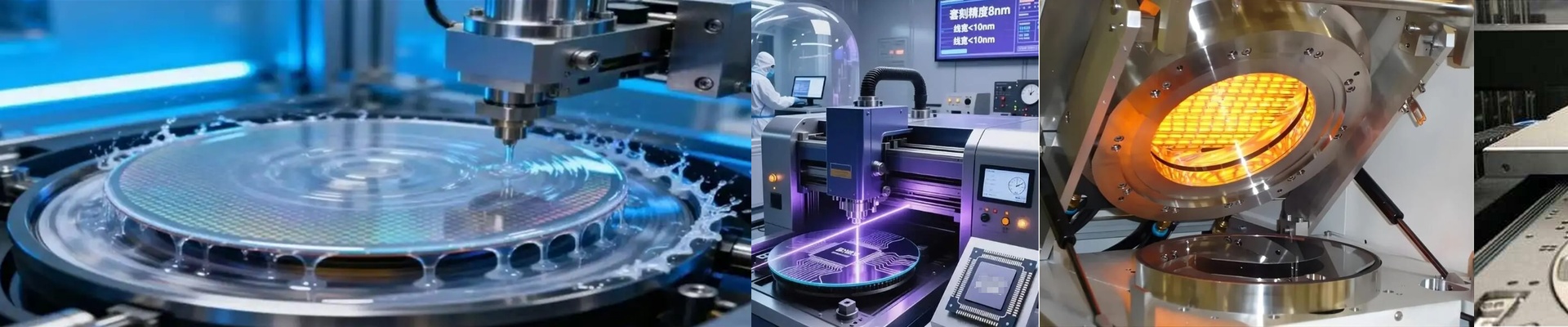
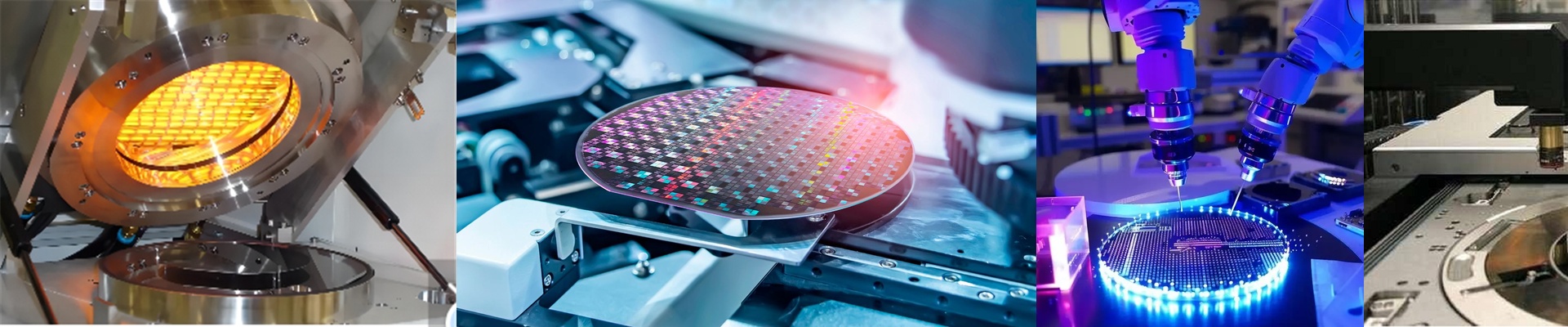
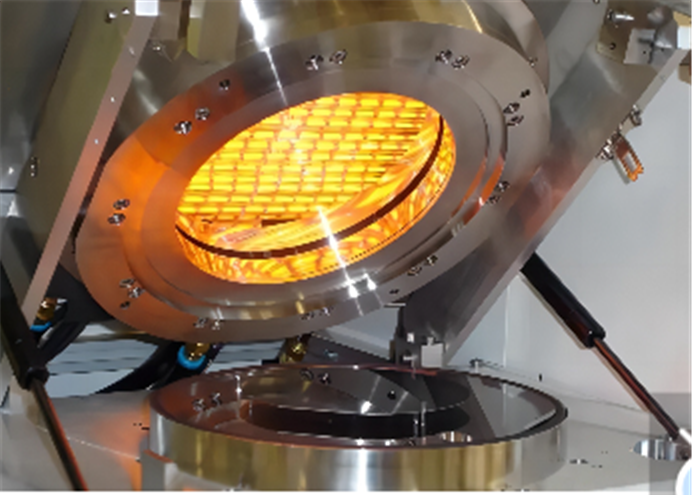
If you’ve ever worked around high-intensity IR lamps in a semiconductor fab, you know the struggle. Those lamps get the job done, but they’re basically miniature suns. Without a plan, that heat just bleeds everywhere. Before you know it, the inner walls of your gear are scorching. It’s a nightmare—not just because an operator might get burned, but because your sensitive electronics are baking inside their own chassis. Enter quartz glass. We use high-purity quartz shields to keep things under control. The beauty of quartz is that it can handle the heat without breaking a sweat, and it lets the right IR wavelengths through while blocking the convective heat that usually turns your machine into an oven. Think of it as a thermal barrier. By putting a quartz shield between the lamp and the wall, you’re basically telling the heat, “Stay in your lane.” The energy hits the wafer exactly where it needs to, but the air around the lamp stays manageable. It’s all about control. When you build a system with these shields, you stop the “oven effect.” Your cooling fans don’t have to scream at 100% capacity just to keep the outside of the machine from burning someone’s hand. It just runs cooler. Quietly. The catch? Nothing is perfect. Quartz is the go-to because it doesn’t warp when the temperature swings wildly, but it’s a bit picky about cleanliness. If dust or organic gunk builds up on the glass, it absorbs that IR energy. That creates “hot spots,” and that’s how you get a cracked shield. Plus, you’ll lose a tiny bit of heat to reflection. It’s not a dealbreaker, but you might need to nudge your lamp wattage up a hair to make sure your process temperature stays right where it needs to be.