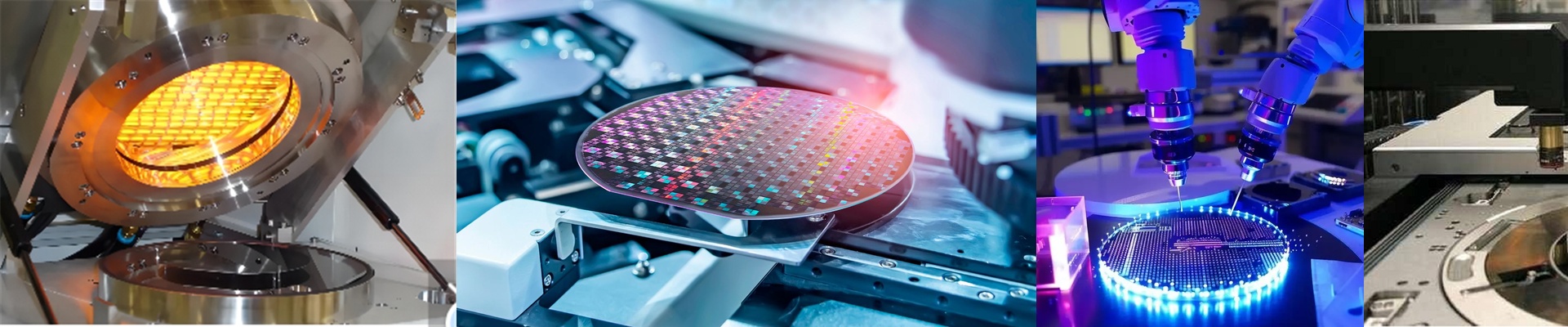
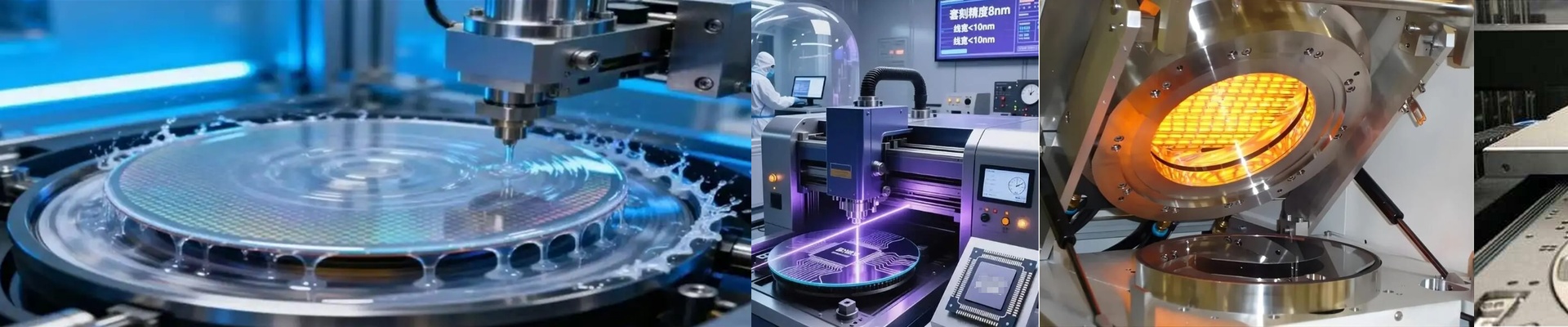
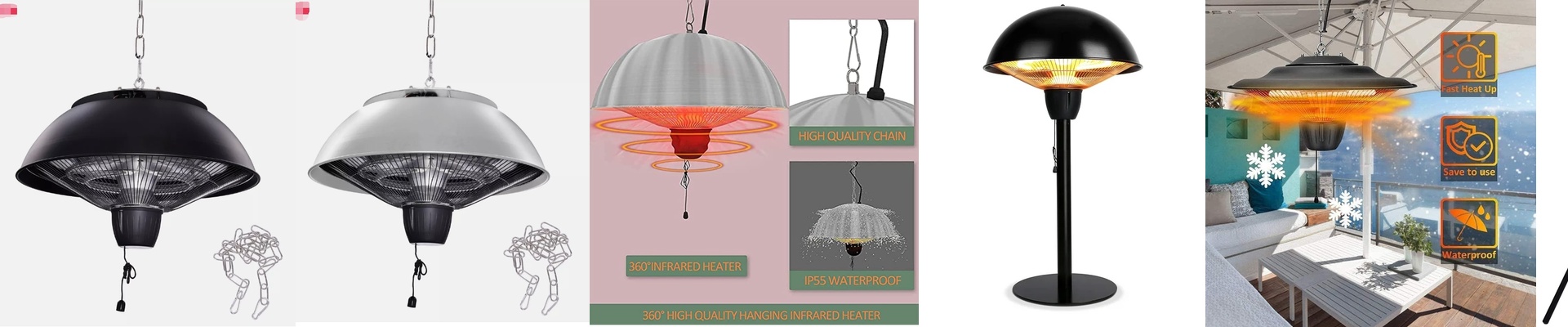
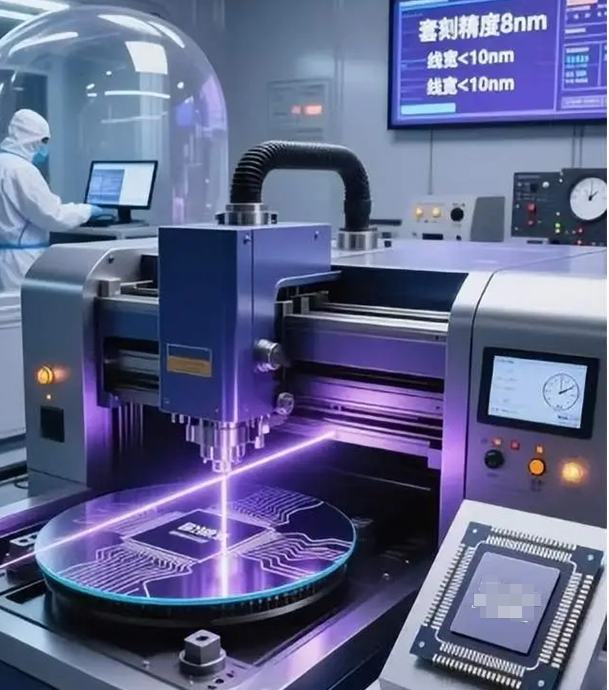
In the lithography bay, polyimide layers are what hold advanced interconnects together. One temperature hiccup during hard bake, and you can kiss the whole lot goodbye. We built our polyimide curing thermal system to take that risk off the table. What matters on the line We hold ±0.1°C wafer-level thermal uniformity across the entire bake profile, soft bake through final cure. Short-wave infrared elements heat the wafer, not the chamber, so cleanroom particle counts stay under 0.1 per cubic foot at Class 1–100. Repeatability is ±0.5°C shot-to-shot, so every photoresist bake lands the same as the last. Carbon-fiber-reinforced heater plates ramp fast without hot spots, and the system logs every cycle for full traceability. Why it sticks in practice Polyimide curing is all about balancing thermal budget and chemical stability. Our control keeps the bake profile inside the polyimide window—no under-cure that leads to lift-off during etch, and no over-cure that drives out-gassing. The payoff is fewer reworks, less scrap, and a clear line-of-sight through a 24/7 fab schedule. Energy use drops because the system idles cool and ramps quickly, cutting utility spend without touching cycle time. What you need to plan for The platform drops into existing coat/track lines, but you’ll need a dedicated 208 V, 3-phase feed and a cleanroom-rated exhaust tie-in. Budget four hours for commissioning and a full day for operator training. The heater plate doesn’t like mechanical shock during changeover, so stick to the torque sequence in the manual. One fastener over-tightened can shift uniformity by 0.2°C.