Getting the Heat Right in Bio-Sensor Fabrication
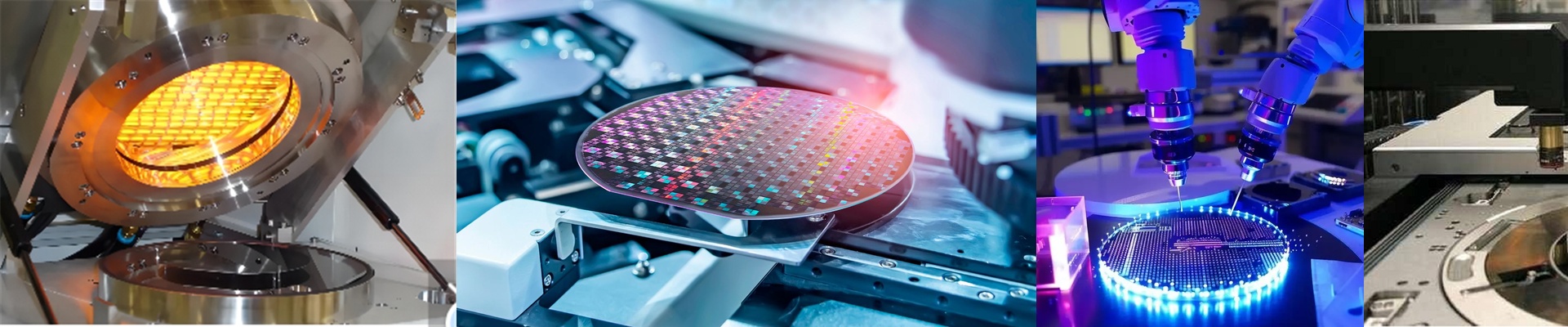
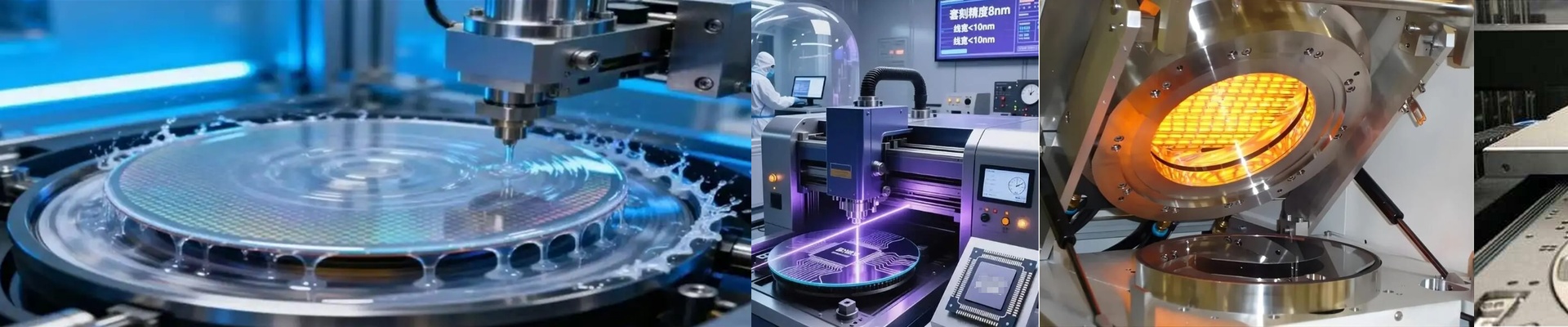
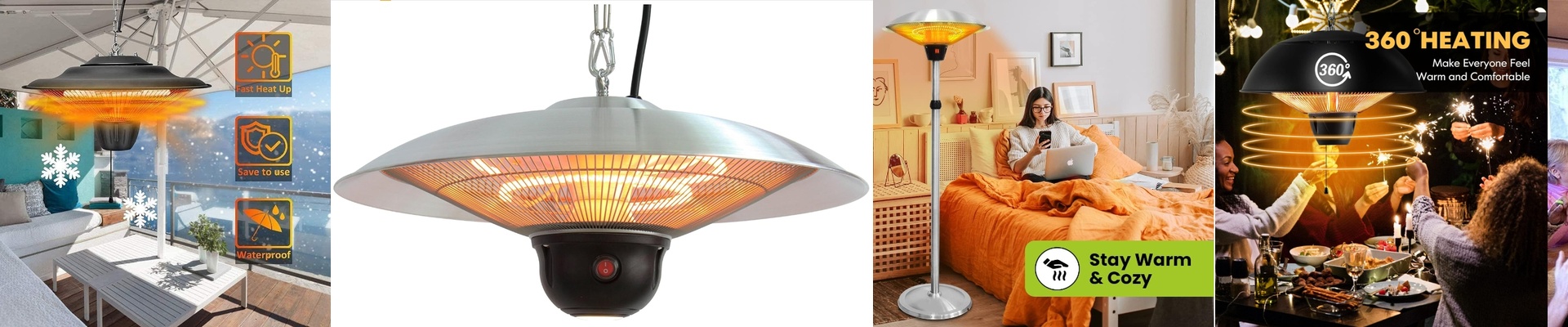
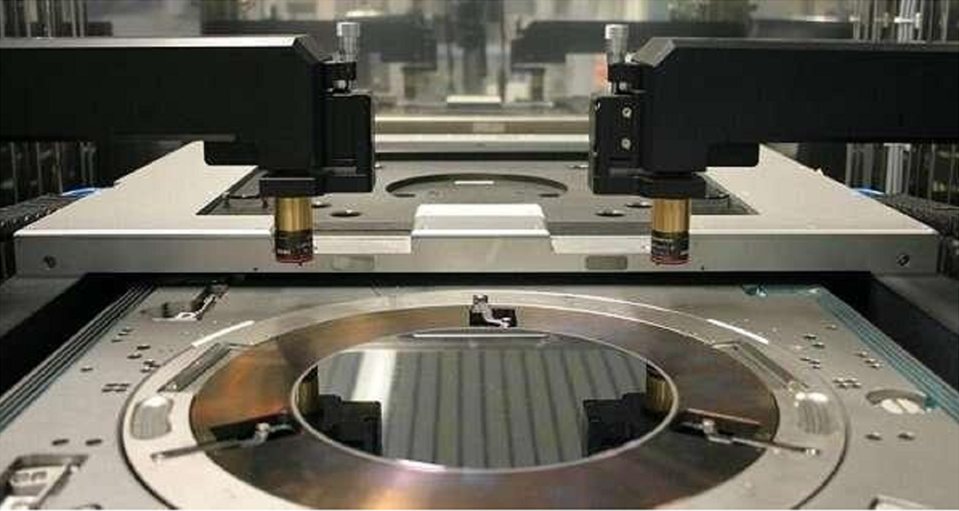
If you’re building bio-sensors, you know the struggle. Thermal control has to be spot on. If you’re trying to move toward a “smart Fab” setup, you can’t just rely on something that gets hot. You need a heat source that actually talks to your system and gives you data you can use. That’s why we lean on infrared (IR) systems. They move energy through radiation, so you don’t have to mess around with air currents or convection. It’s just direct and efficient. Ditch the old ovens The old-school way—basically just baking everything in a big oven—doesn’t cut it anymore. Instead, we use short-wave IR lamps. The beauty of these is that they hit exactly where you want them to on the substrate without heating up the entire room. You can set up specific heating zones and pair them with PLC power controllers. This means you’re adjusting wattage in real-time. You can actually see exactly how much energy is hitting every square millimeter. That’s the part that actually makes your production “digital.” It’s not just a buzzword; it’s about having the numbers in front of you. The gear that actually works Bio-sensor layers are incredibly thin. They’re finicky. To keep things clean and contaminant-free, we use quartz-halogen tubes. And if you’re working with a specific polymer or a bio-ink that needs a certain wavelength to cure properly? We just add specialized coatings to the tubes. Simple. But here’s the catch: you have to keep a close eye on your power density. Sure, cranking up the wattage makes the line move faster. But if your conveyor belt isn’t perfectly synced, you’ll toast your substrates. You’ve got to balance the belt speed with the lamp output, or you’ll end up with burnt edges on your sensors. Keeping things running Nobody likes downtime. That’s why we design these systems for quick swaps. We use standard connectors so your maintenance team can just pull a dead lamp and pop in a new one. No need to rewire the whole rack. It’s fast. One last thing to keep in mind: high-output IR lamps put off a lot of waste heat. If your HVAC and cooling manifolds aren’t beefy enough to handle that load, your sensors will start to drift during the curing phase. Make sure your cooling can keep up, or all that precision goes out the window.