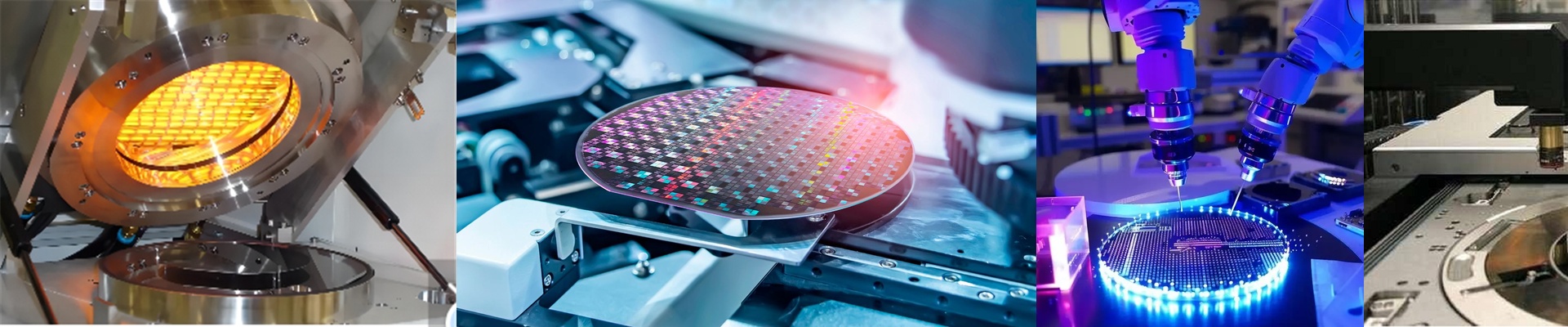
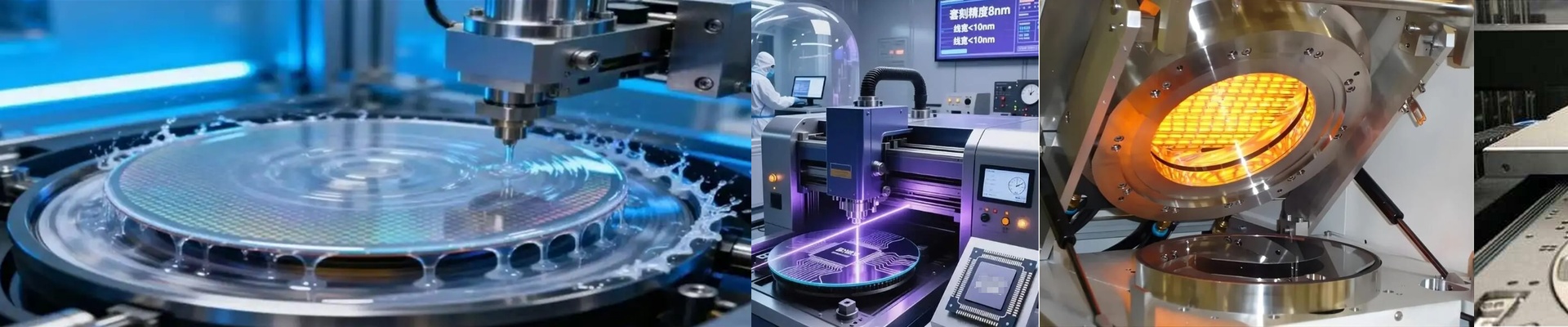

Stop Wasting Time With Hot Air: A Better Way to Build Hydrogen Sensors
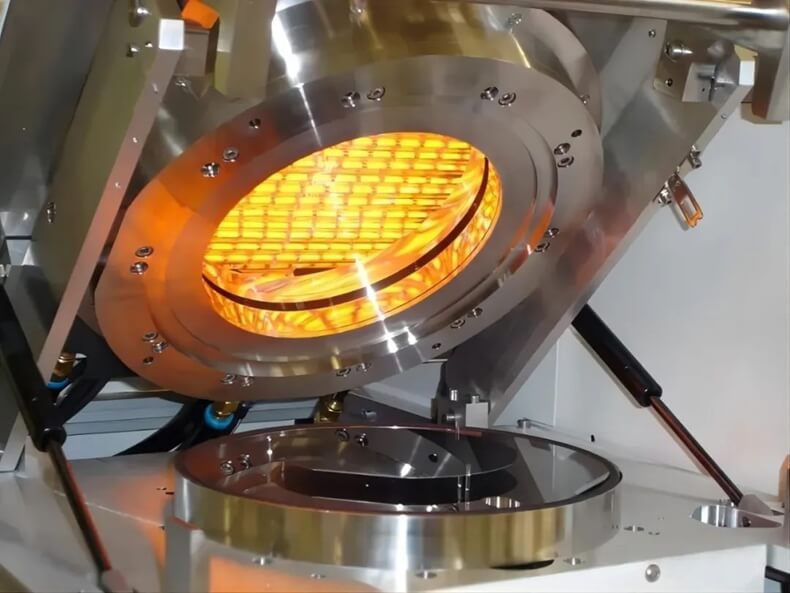
If you’re making hydrogen sensors, you know the drill. You need your thermal profiles to be spot on, or your membranes fail and your catalysts just won’t stick. Most shops are still using hot air circulation. Honestly? It’s a slog. You’re basically heating up a giant box of air and hoping that heat eventually reaches your workpiece. It’s slow, it’s clunky, and it kills your productivity. The problem is the lag. Hot air relies on convection. You move the air, the air hits the surface, and then—finally—the part warms up. It’s the same thing on the way down. That ramp-up and cool-down time is just dead air. Literally. Infrared (IR) heating is different. It cuts out the middleman. Instead of heating the room, it beams energy straight into the sensor substrate. We’re talking about energy transfer that happens in milliseconds. When you move to IR, you aren’t just speeding up the line—you’re getting rid of all that heavy, sluggish equipment that takes forever to react. But it’s not just about speed. IR gives you a level of control that air can’t touch. You can aim the heat exactly where it needs to go on the wafer without baking the rest of the housing. It means you don’t have to worry as much about over-curing your parts. There is one catch, though:reflectivity. If your substrate is too shiny, the IR energy just bounces right off, and you’re wasting power. You’ll need to pick the right wavelength—shortwave or medium-wave—so the material actually absorbs the heat. Bringing it onto the floor Swapping a massive hot air oven for an IR array is a huge relief for your floor space. You stop managing giant gusts of air and start managing radiant flux. It’s a much cleaner setup. Just a heads-up: you’ll want a tight PID controller and thermocouples that react fast. Because IR hits the target almost instantly, things can get away from you quickly. If your sensors are too slow, you’ll overshoot your temp and fry those delicate layers. But once you get the tuning right? You can knock your processing window down by 40% to 60%. That’s a lot of time won back in your day.