Keeping Your Class 100 Cleanroom Actually Clean
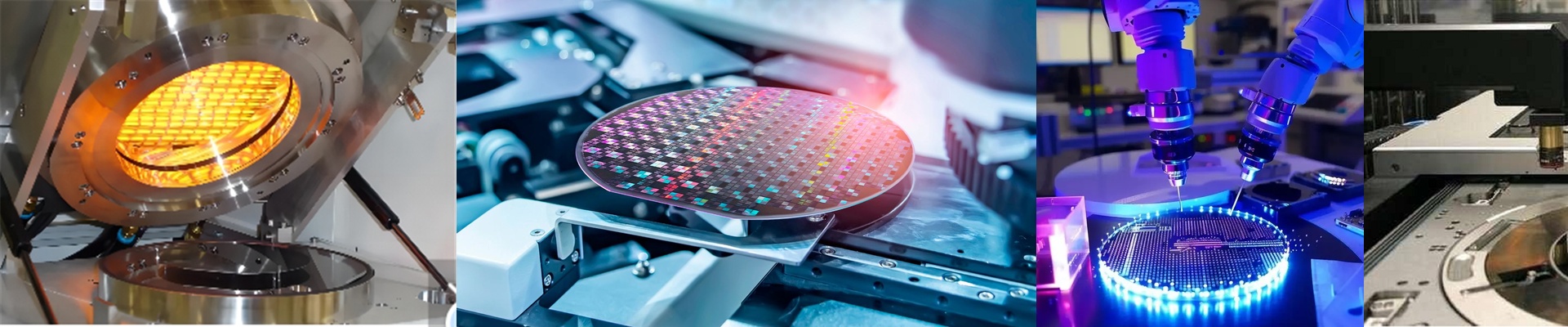
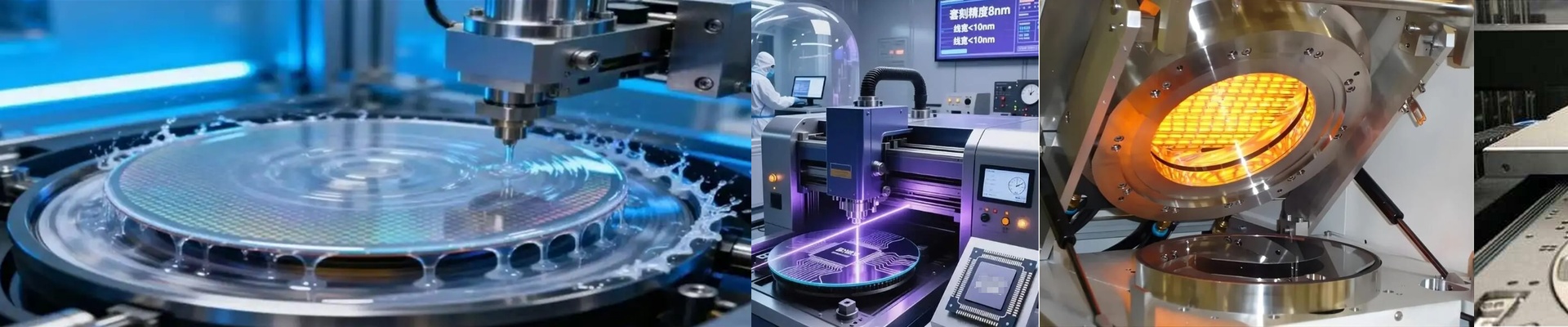
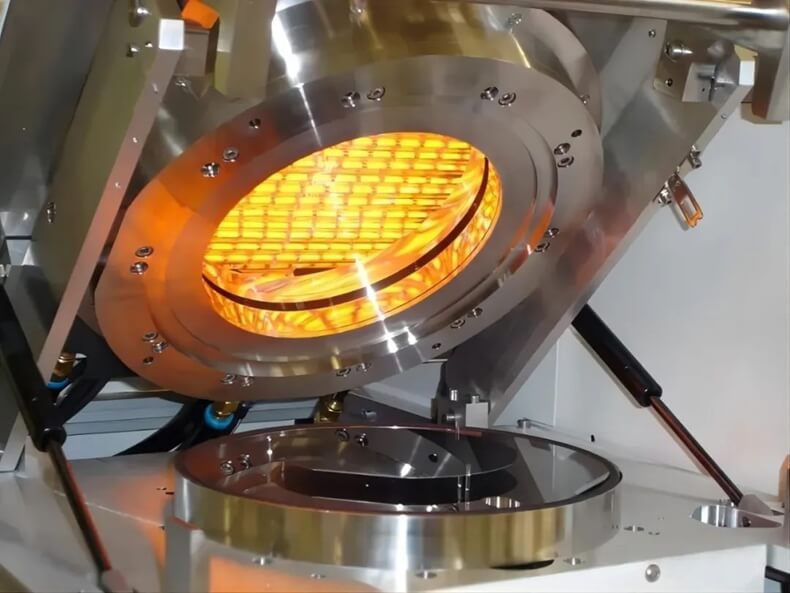
When you’re heating semiconductor wafers, temperature control is only half the battle. In a Class 100 environment, one tiny speck of dust is enough to trash an entire batch of chips. It’s a nightmare. That’s why we ditched the metal-sheathed heaters—they just flake and outgas too much—and switched to high-purity quartz infrared lamps. Why quartz? We use synthetic fused silica because it just holds up better. Standard glass starts breaking down or leaking impurities once things get hot, but this stuff stays stable. The infrared radiation passes right through the quartz without messing with the air around it. It’s clean. Purely radiative heat goes straight to the substrate. No drifting particles, no airborne junk landing on your wafer. Just heat. Getting it into your setup We stripped everything off these lamps that could possibly peel or flake. The goal was a tiny footprint with zero pollution. We even used high-grade quartz seals to make sure nothing from the internal halogen cycle leaks out. But here’s the thing: you have to be careful with your power density. These lamps get incredibly hot in a very small space. If you crank the wattage without a proper cooling manifold for the ends, you’re asking for trouble. If the temperature gap between the hot center and the cold terminals gets too wide, the quartz can literally snap from thermal shock. Making it work These lamps are a lifesaver for annealing and curing stations where old-school resistive heaters just can’t hack it. Since there’s no physical contact, you don’t have to worry about scratching or abrading your parts. The setup is easy. Just wire them into your PID controller and you’re good to go. You’ll notice the ramp-up times are fast—really fast—and your thermal profiles stay tight. One last tip: keep an eye on your power supply. Make sure it’s stable. A sudden voltage spike can fry a filament in a high-purity tube way faster than it would in a cheap industrial lamp.