Stop Throwing Away Your Chicken Coop Heaters
Let’s be honest: chicken coops are absolute nightmares for electronics. You’ve got dust everywhere, constant moisture, and those ammonia gases that just eat through metal and wiring. Most heaters on the market are built like sealed bricks. The second one of those heating tubes burns out, the whole thing is basically trash. You toss the entire machine in the bin and start over. That’s a waste of money and a huge pain in the neck. We decided to do things differently.
The “Slide and Swap” Approach
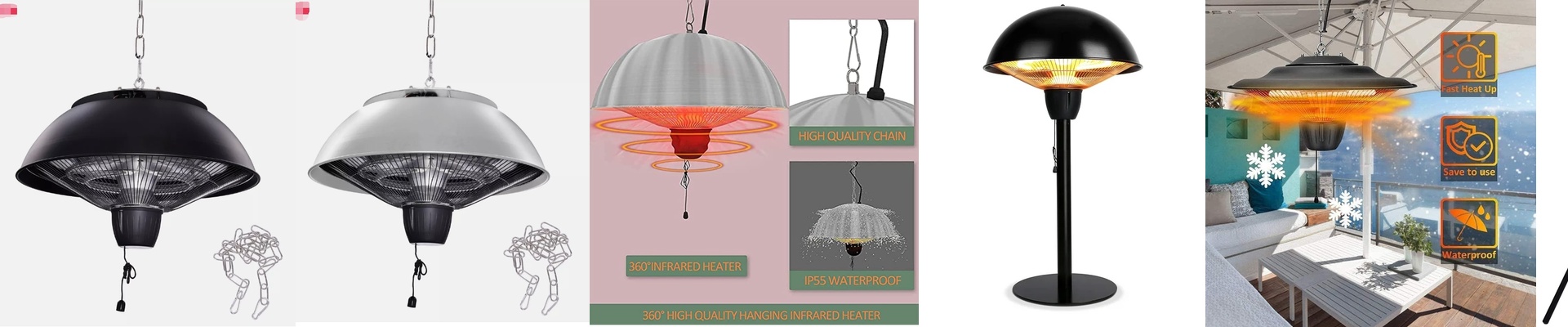
We designed our infrared modules to be drop-in replacements. Think of it like changing a lightbulb. If a tube dies after five years of hard work, you don’t have to spend your afternoon rewiring a control box or tearing the whole chassis apart. The heating element just sits in its own slot with quick-connect terminals. You pull the dead one out, slide a new one in, and you’re back in business. It turns a multi-hour repair job into something that takes a few minutes.
The Struggle with Waterproofing
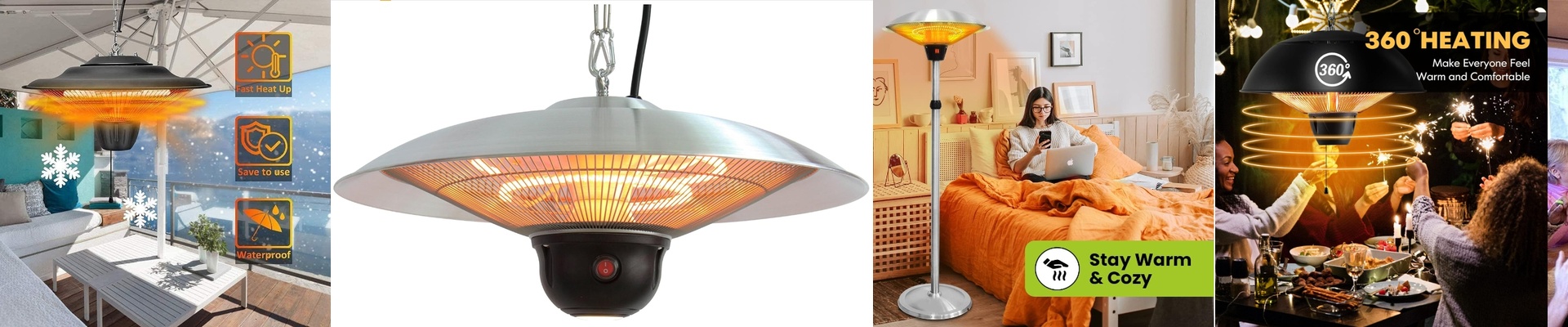
Here is the tricky part: usually, when you make something “waterproof,” you seal it so tight that the unit can’t breathe. That traps the heat inside and fries the electronics. It’s a classic catch-22. We went with a vented, moisture-resistant housing instead. It keeps the water and gunk away from the electrical bits but still lets the unit cool down. It’s all about balance. If the seal is too tight, the internal wires overheat. If it’s too loose, water gets in. We spent a lot of time making sure our gaskets can handle the way quartz tubes expand and shrink when they heat up without cracking under the pressure.
Thinking About the Long Haul
Cheap heaters are tempting, but they usually have integrated wiring. When a tube goes, the cost of the labor to fix it is often more than the heater itself. Our setup changes the math. You keep the heavy-duty chassis and the power supply for years, and you only replace the one part that actually wears out—the infrared tube. It’s just a way easier way to manage a bunch of heaters across a big facility. Just one tip: make sure your replacement tubes match the original wattage. You don’t want to accidentally overload your circuit.