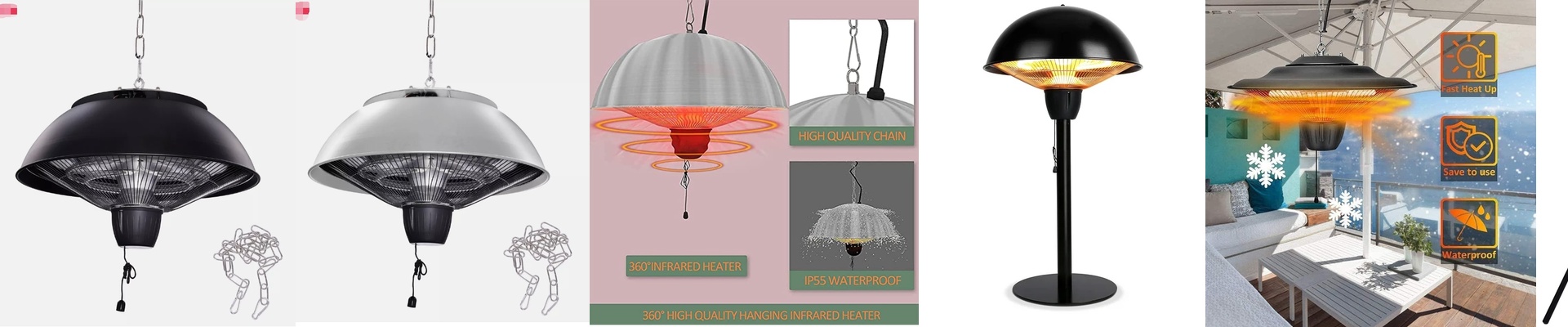
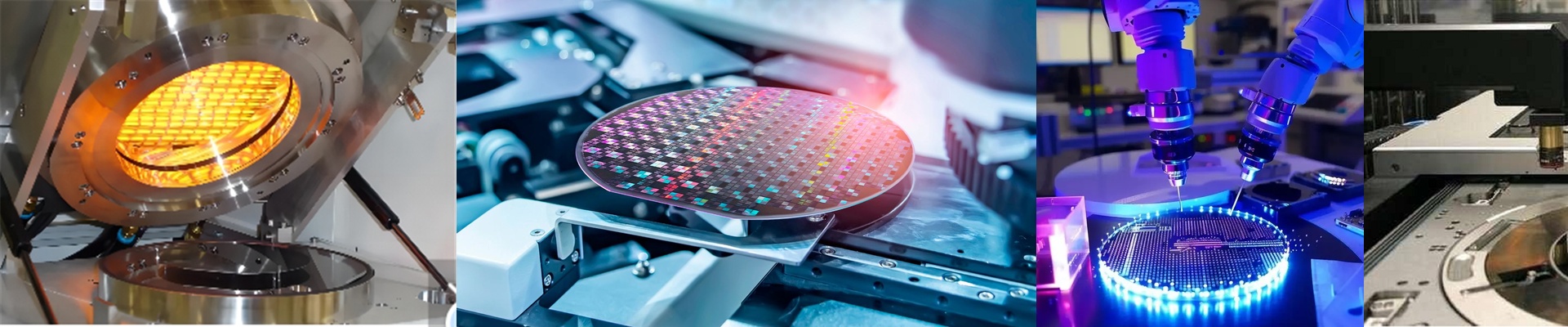

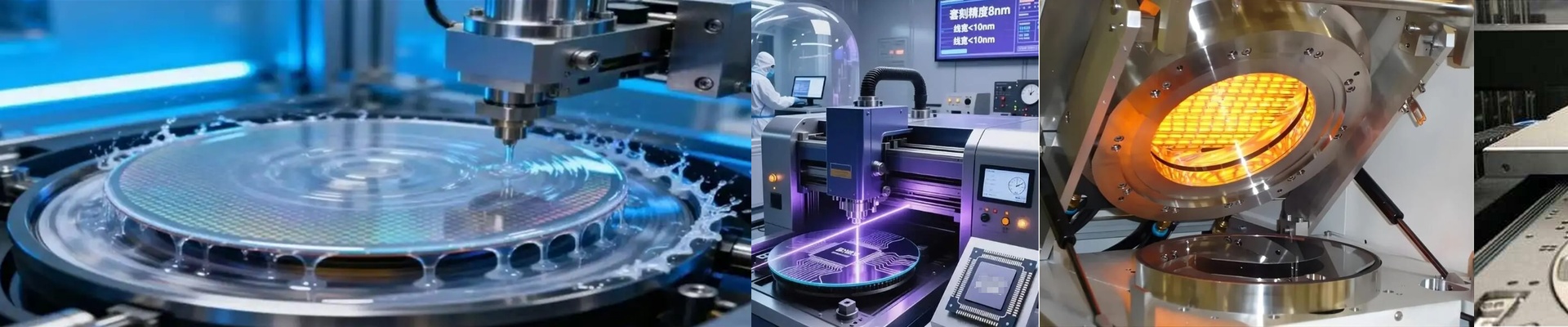
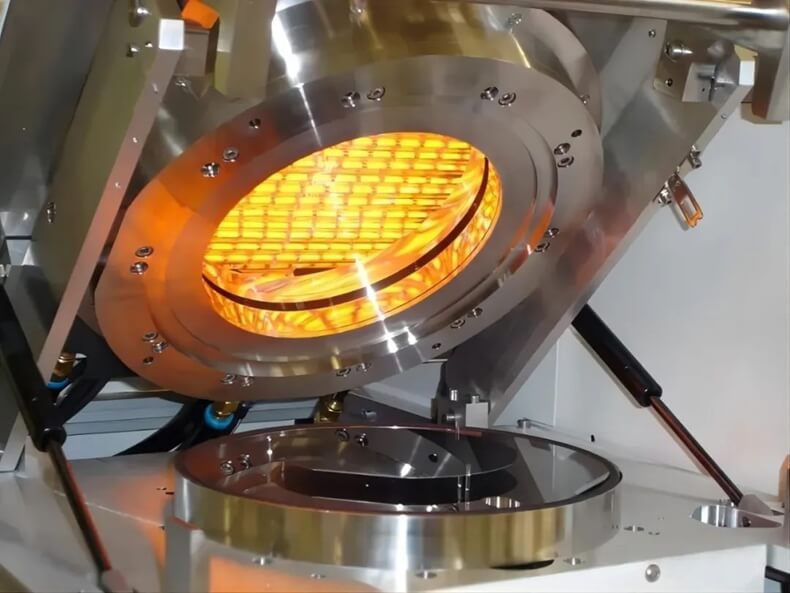
When you’re drying MEMS sensor wafers after a chemical clean, you need serious heat. But here’s the problem: doing that right next to flammable solvents is basically asking for an explosion. It’s a nerve-wracking setup. That’s why we use specialized infrared (IR) lamps. They’re built specifically for these volatile zones so you can get the job done without accidentally triggering a disaster. Keeping things sealed tight Most IR lamps have exposed electrical contacts. In a fab, that’s a recipe for sparks. We don’t do that. Instead, we wrap our heating elements in quartz or chemically resistant glass. We also use high-grade potting compounds and sealed connectors. This keeps those nasty chemical vapors away from the energized terminals. It stops the “burn out” that happens when corrosive fumes just eat your wiring alive. It’s a huge relief not having to replace cables every few months. Getting the heat right These lamps use short-wave IR radiation to flash-dry your wafers. It’s fast. Really fast. We carefully tune the wattage so the solvents evaporate quickly, but the wafer substrate doesn’t overheat. You get a nice, consistent heat across the whole surface. Just a heads-up, though: high-wattage arrays put off a lot of ambient heat. Make sure your exhaust ventilation is up to the task, or your housing is going to get way too hot. Real-world reliability We build these for the 24/7 grind of a fab environment. Every seal is tested against the usual cleaning agents to make sure they don’t leak or degrade over time. When you wire these in, the sealed interface means you can stop worrying about vapor ingress and actually focus on your throughput. To us, the integrity of the seal is everything. Raw power doesn’t mean much if the lamp becomes a liability. Now, there is a trade-off. Because of that protective envelope, these take a little longer to warm up than open-air lamps. It’s just a bit of extra thermal mass. But honestly? In a room full of flammable chemicals, that’s a trade I’ll make every single time. It’s the only way to keep the facility safe.