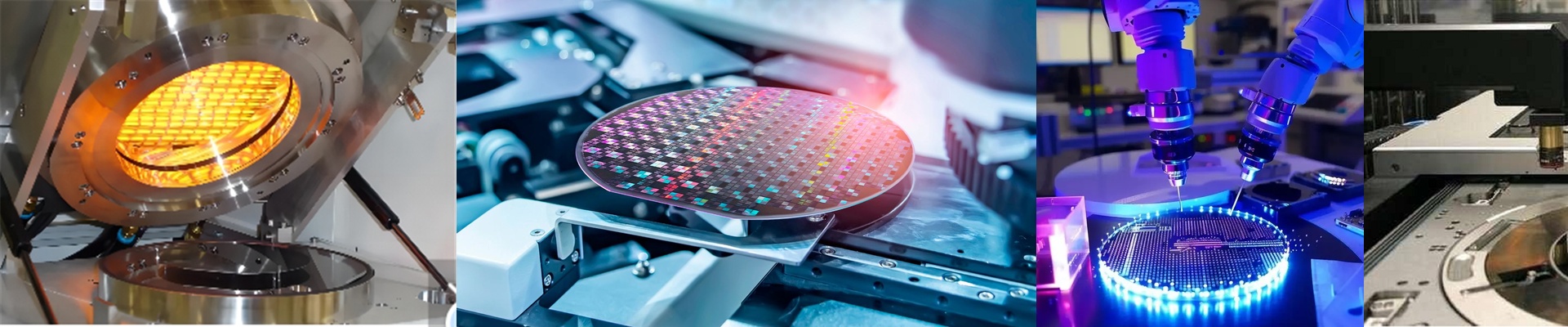
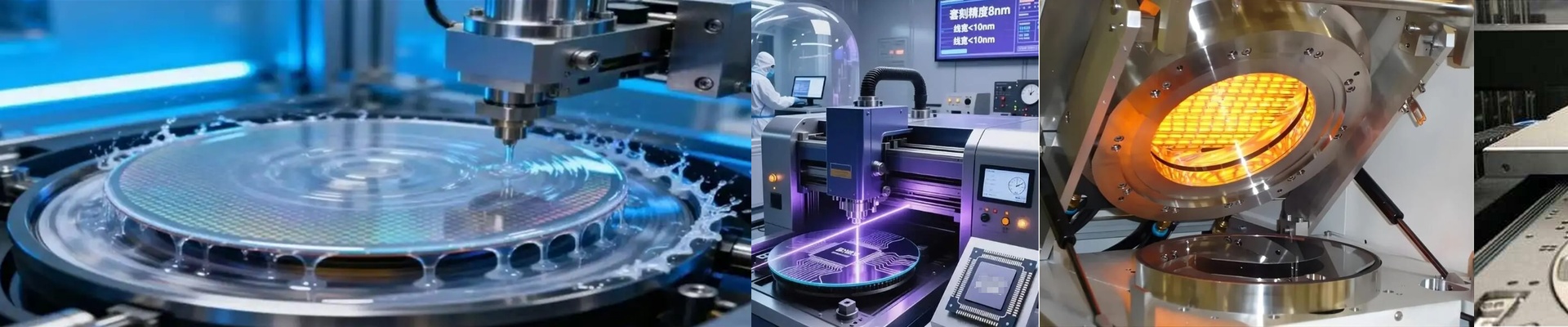
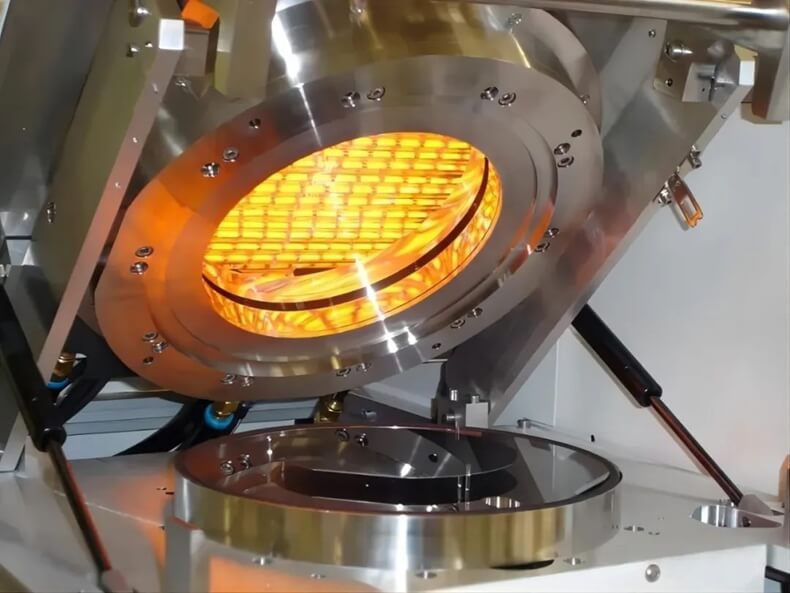
Out on the fab floor, a wafer coming off the final rinse can’t tolerate even a micron of watermark. Convection ovens spend their time chasing temperature gradients across the substrate, and every chase is yield on the line. Infrared drying changes the math. What actually matters, technically IR hits the water directly, heating the wafer surface without pumping heat into the chamber air. That gives you wafer-level thermal uniformity within ±0.1°C—no more fighting the edge-to-center bias that convection systems struggle with. Short-wave IR delivers fast, controlled energy for photoresist-safe profiles in soft bake and hard bake. Medium-wave IR scales up when you need higher thermal budget without overshoot. And it’s built for cleanroom reality, Class 1–100: zero particle generation, sealed quartz or halogen elements, and a design that keeps bursts out of the airflow. Repeatability isn’t a slogan—it shows up as run-to-run deltas under 0.3°C across shifts. Why it fits lithography and wet benches In lithography and wet processing, it’s all cycle time and defect control. IR dries wafers faster, uses less energy per batch, and the process window widens because temperature tracks the setpoint without lag. You get consistent photoresist bake performance, fewer reworks, and a stable thermal budget across product mix. Most of all, the system is built for 7×24, year after year—long element life, and repeatability that holds up after maintenance. No unplanned downtime. The practical details you’ll want to line up IR drying can be line-fitted, but you need to match thermal loads and plan the integration. The footprint is compact, but don’t shortchange heat dissipation—ambient conditions and power distribution will bite you if you don’t plan ahead. We work around your equipment brand and cleanroom constraints, and we size the heater and control loop for your exact wafer diameter and throughput. Expect a short commissioning run to tune ramp rates and soak times to your photoresist stack.