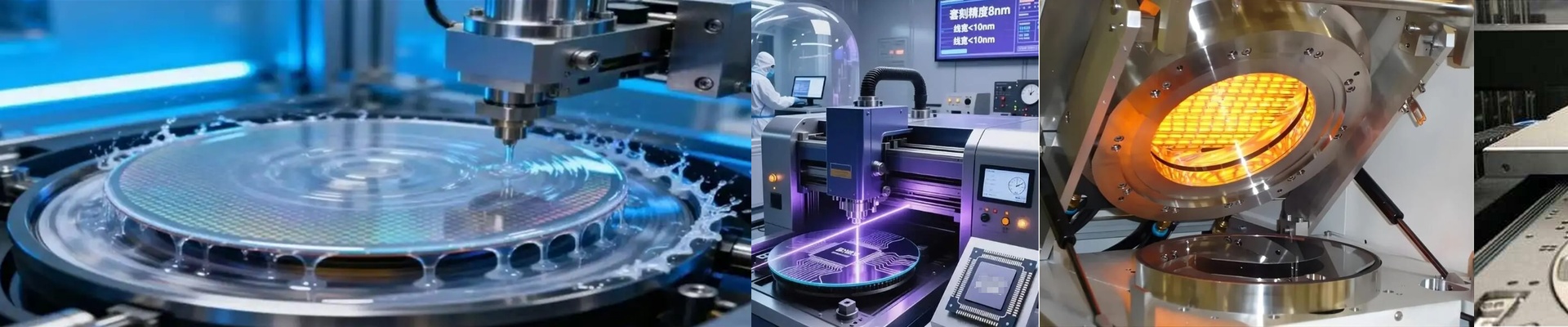

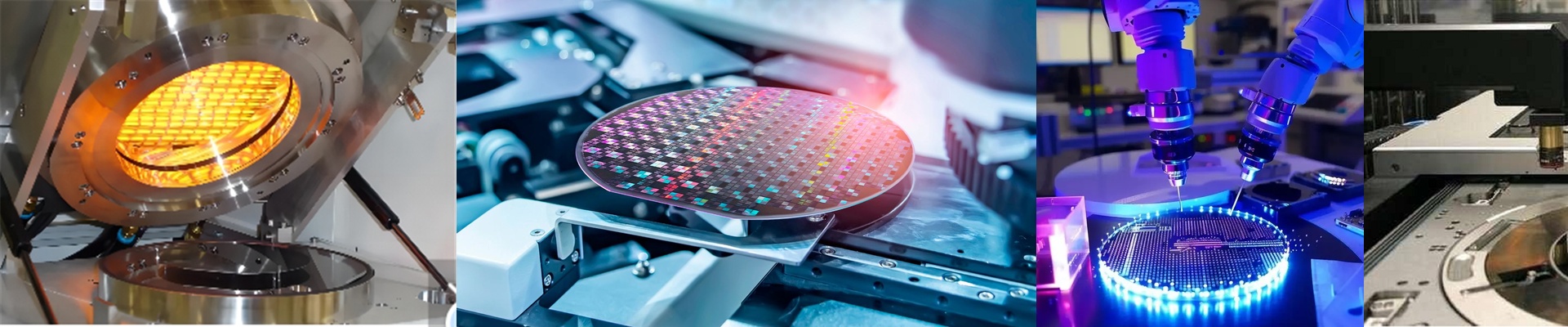

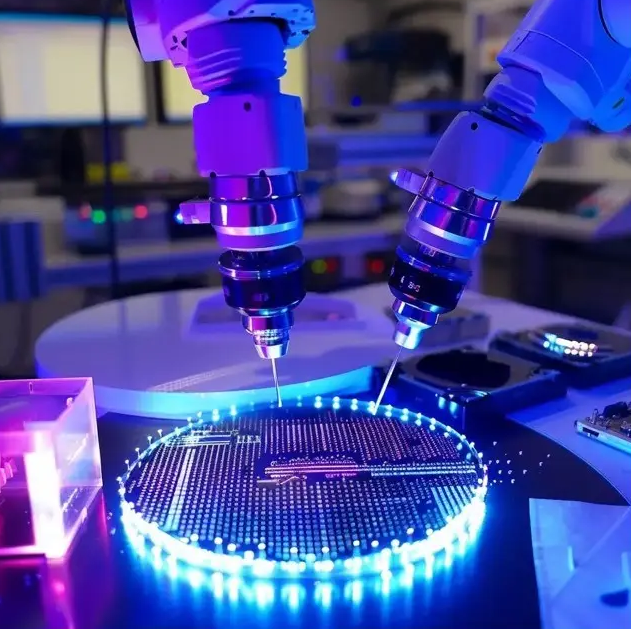
On the fab floor, a 0.1°C hot spot across the wafer is enough to wreck line-width control. Photoresist during soft bake and hard bake doesn’t care about intentions—thermal budget is either nailed, or it’s a guess. And guesses show up fast: residual solvent, scumming, bridged features. Then they show up as scrap. What matters, technically We built the uniform heating wafer dryer around one spec: ±0.1°C wafer-plane uniformity. The heater is short-wave infrared, so it responds quickly and locally—temperature overshoot stays constrained, not chased after the fact. In Class 1–100 cleanrooms, the chamber geometry and airflow are laid out to keep turbulence down and avoid entraining particles, so particle generation stays at zero through the bake and dry steps. Repeatability comes from closed-loop control with calibrated sensors, so the same thermal profile hits the same target, cycle after cycle. Why it works in lithography In lithography, the dryer isn’t a side step—it’s baked into the patterning budget. Tight temperature uniformity stabilizes photoresist thickness and keeps solvent removal consistent, which improves critical dimension control and cuts down on rework. Cleanroom-compatible build and zero particle generation protect the reticle and the wafer surface, which keeps defect density from creeping up. The payoff is fewer excursions, predictable cycle times, and yield that stays stable. Energy use drops too, thanks to fast ramp-to-soak and minimal standby loss. Here’s what to keep in mind The unit is built for 24/7 reliability, but it still needs a clean, dry utility feed and stable voltage to keep the control loop accurate. Plan the installation for service access and exhaust routing up front. Hooking it into an existing track line is straightforward, but you should re-qualify the thermal profile for each resist stack—different materials respond differently, even when the temperature stays within tolerance.