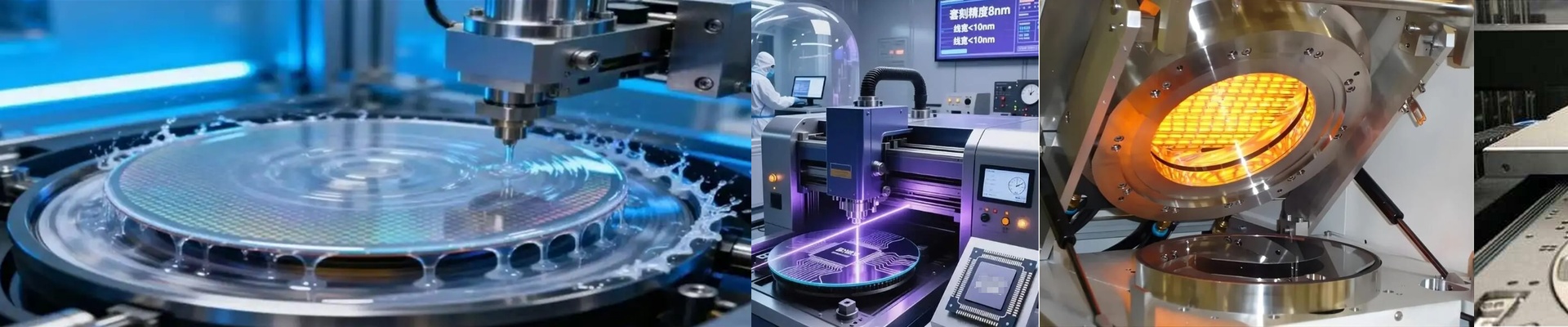
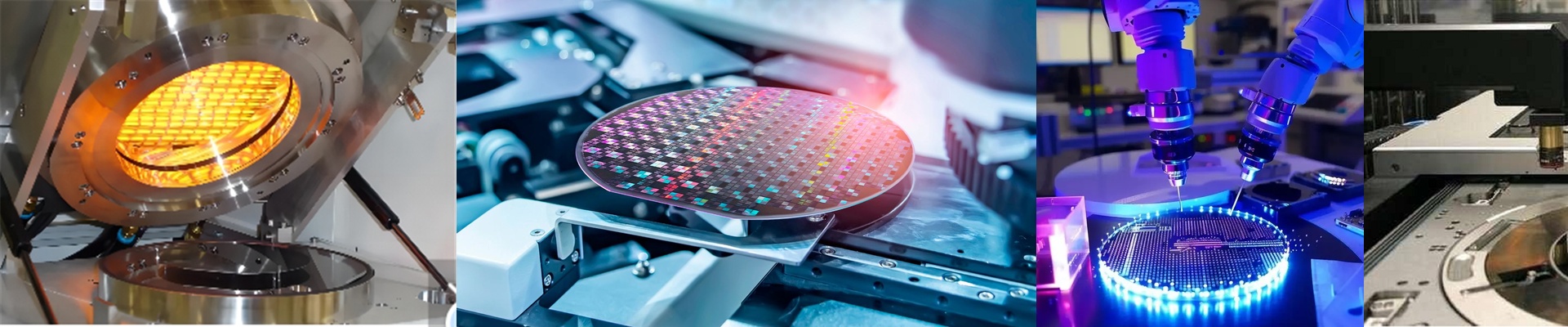
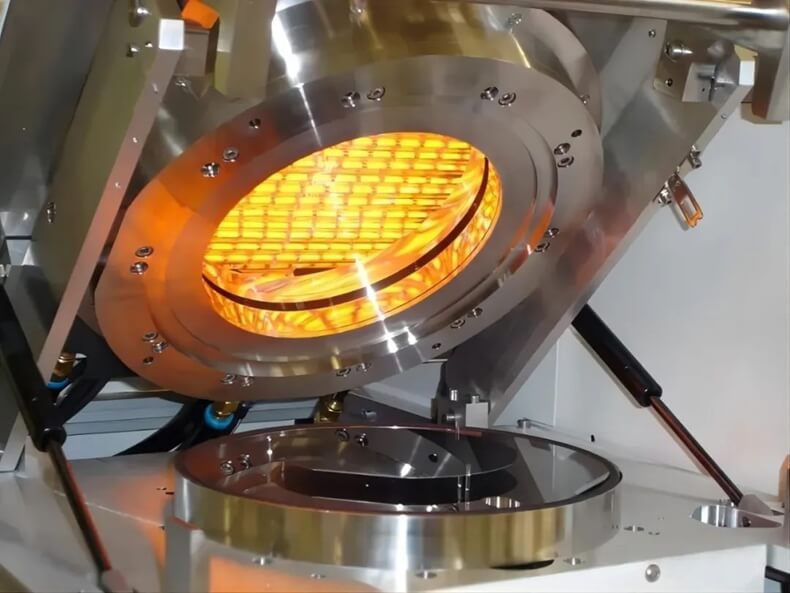
Making carbon nanotubes (CNTs) is a delicate dance with heat. But when you’re working in cleaning zones filled with flammable or explosive solvents, that heat becomes a problem. Let’s be honest: a standard infrared lamp in a room like that is basically a liability. One tiny crack in the quartz or a single stray spark, and you’ve got a flash fire on your hands. Nobody wants that. That’s why we wrap our IR heating systems in a specialized protective envelope. Keeping the bad stuff out We don’t just leave the quartz tube hanging out there in the open. Instead, we seal the lamps inside a secondary housing that can actually handle harsh chemicals. Think of it as a physical shield. We also use heavy-duty seals where the wires enter the unit, so solvents can’t sneak their way inside. Even if a lamp burns out, the housing keeps everything contained. The surrounding air doesn’t touch the hot filament, and your workspace stays safe. The trade-off Now, there is a catch. Adding that extra layer of protection means the heat has to travel through more material. You’ll lose a little bit of infrared transmission, and your ramp-up time might be a touch slower than it would be with a bare lamp. But in a hazardous zone, that’s a trade you make every single time. To fix the power dip, we just bump up the wattage. You still get the exact surface temperature you need for those CNTs to grow, but without the anxiety of a potential explosion. Getting it on your floor The best part? These are designed to be drop-in replacements. You just wire them into your current controllers and you’re good to go. Plus, the rugged housing means you don’t have to panic when a bit of corrosive chemical splashes on the equipment. Just one tip: check your ventilation. Because the housing traps more heat around the lamp than an open setup would, you need to make sure your airflow can handle the ambient buildup. It keeps the seals from wearing out and keeps the whole system running smooth.