Stop Wasting Your Heat: Why Aluminum Reflectors Actually Matter
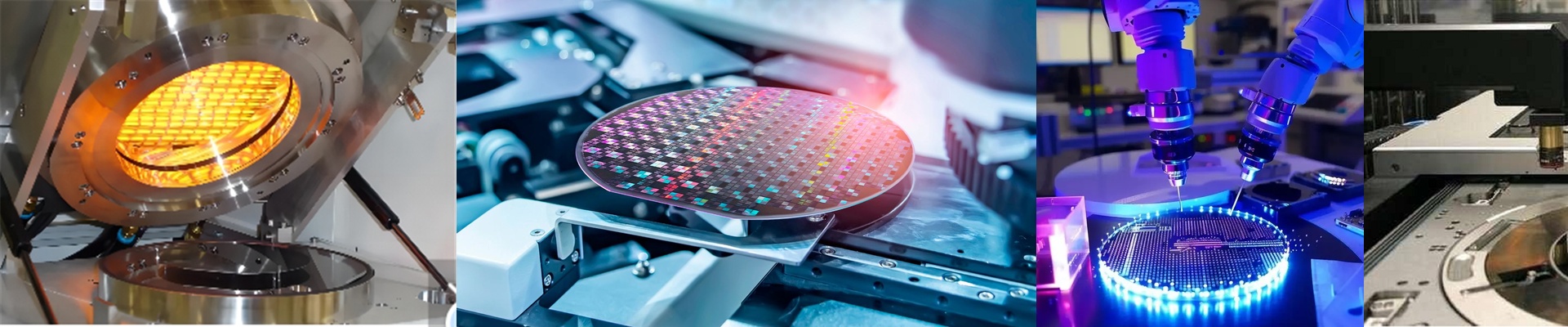
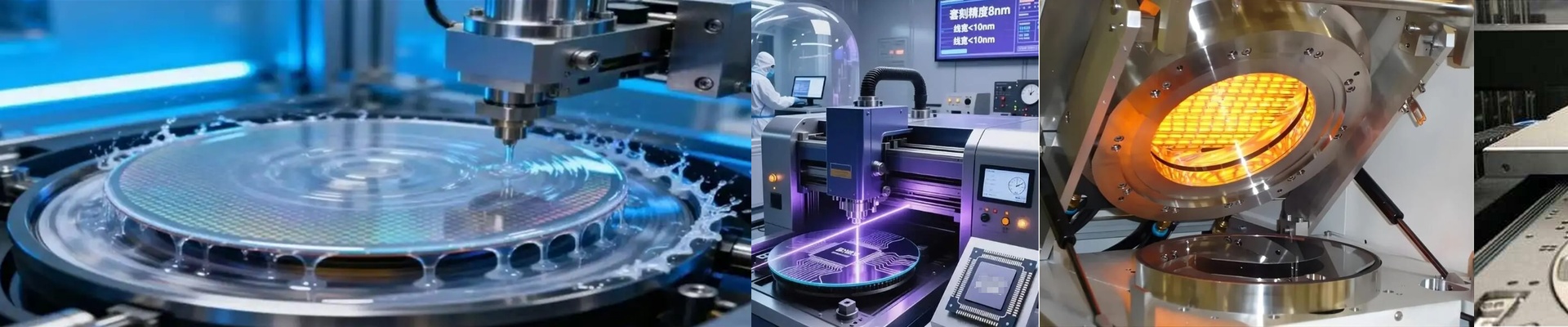
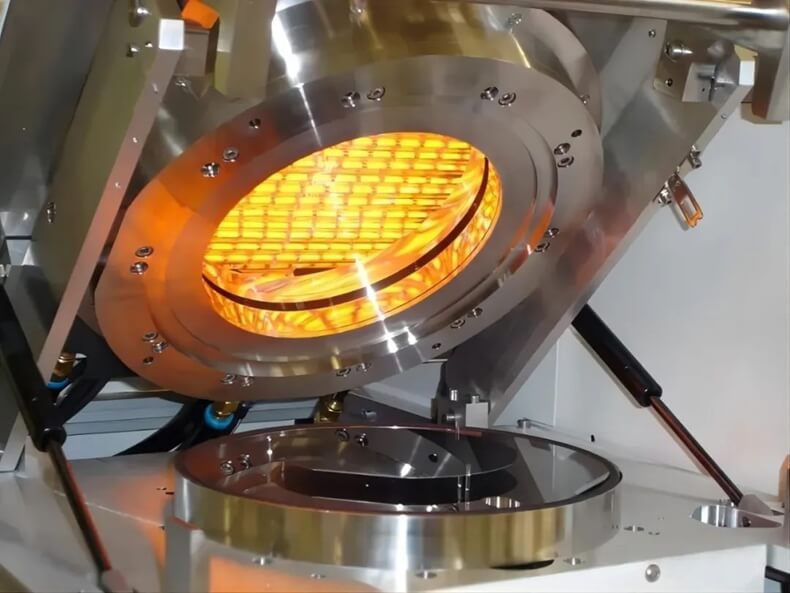
In a semiconductor fab, heat is a tricky beast. It’s not just about getting things hot; it’s about being surgical with where that heat goes. Here is the problem: if you’re using IR lamps for wafer processing or curing without a solid aluminum reflector, you’re basically throwing money away. About half of your energy just shoots backward into the machine chassis. That’s a lot of wasted power, and it turns your cooling system into a stressed-out mess trying to fight that extra heat load. The physics part is actually pretty simple. We stick with high-purity aluminum because it’s great at bouncing back short-wave and medium-wave IR. By curving that aluminum into a parabolic or elliptical shape, we can push those backward-facing photons right back onto the wafer. The best part? You get a much denser heat flux without having to crank up the wattage on your lamps. And since you’re pulling fewer kilowatts, your cleanroom’s carbon footprint shrinks. It’s a win for the planet and a win for your power bill. But aluminum isn’t magic. It has its quirks. In those high-temp environments, the surface can oxidize. Or, you might get some particulate buildup. Either way, your reflectivity takes a dive. You’ll start to notice it when your substrate takes forever to hit the set-point. To stop this, I always suggest a polished finish over a matte one—it gives you a much better “bounce.” Just keep in mind that polished surfaces are a bit more high-maintenance. You have to be strict about cleaning, or a tiny bit of dust can create “hot spots” that ruin your work. One last tip on the setup. When you’re wiring everything up, make sure the reflector isn’t touching the lamp housing. If they’re in direct contact, you create a thermal bridge. That bridge can warp the metal. And a warped mirror is a nightmare. It leads to uneven heating across the wafer, and if your reflector is off by even a few millimeters, you’re looking at thermal gradients that could scrap an entire batch. Keep it decoupled, keep it clean, and your heat goes exactly where it belongs.