Stop the Shards: Dealing with Tube Bursts in Wafer Processing
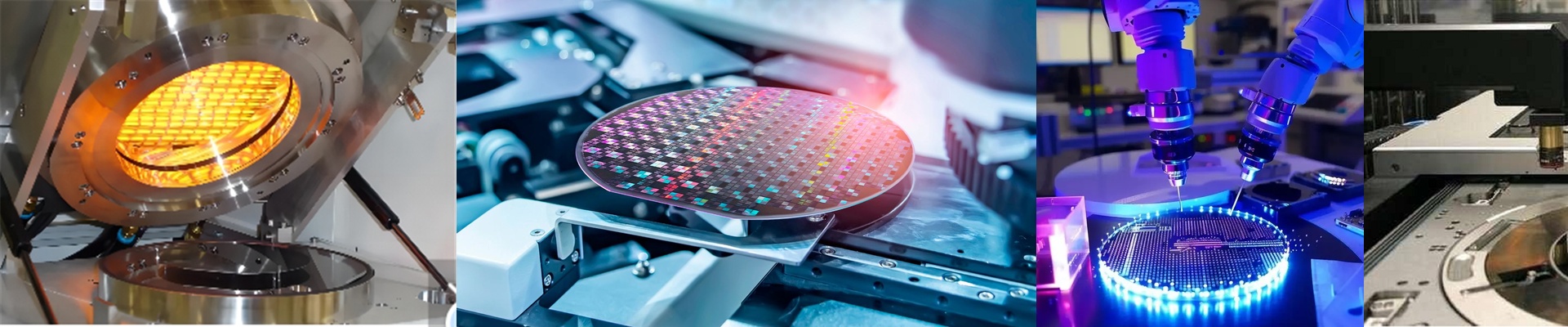
In a high-load fab, a burst infrared lamp is a nightmare. It’s not just about the downtime—though that hurts enough. It’s the mess. When a quartz tube goes, it basically sprinkles glass shards and chemical junk all over your wafer surfaces. It’s a disaster you just can’t afford. That’s exactly why we build our gold-reflector IR lamps the way we do.
Why Gold Matters
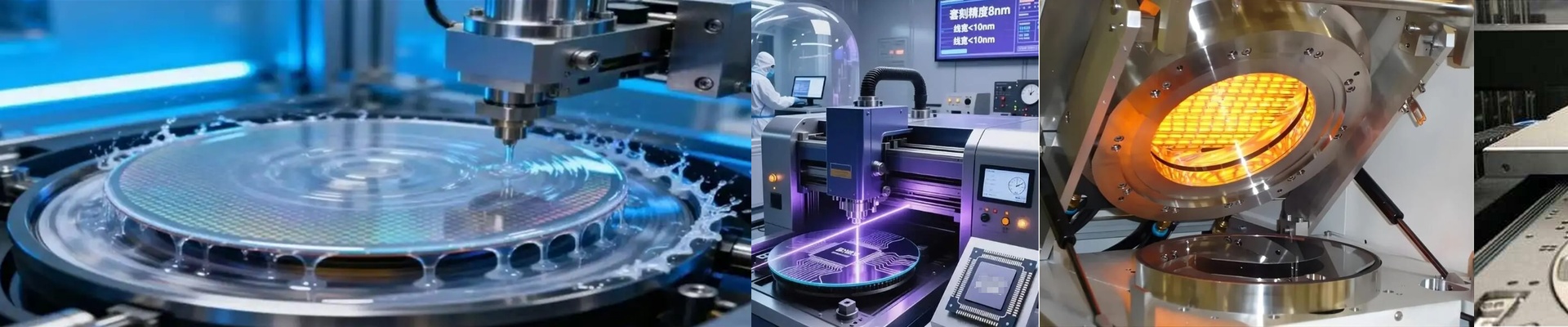
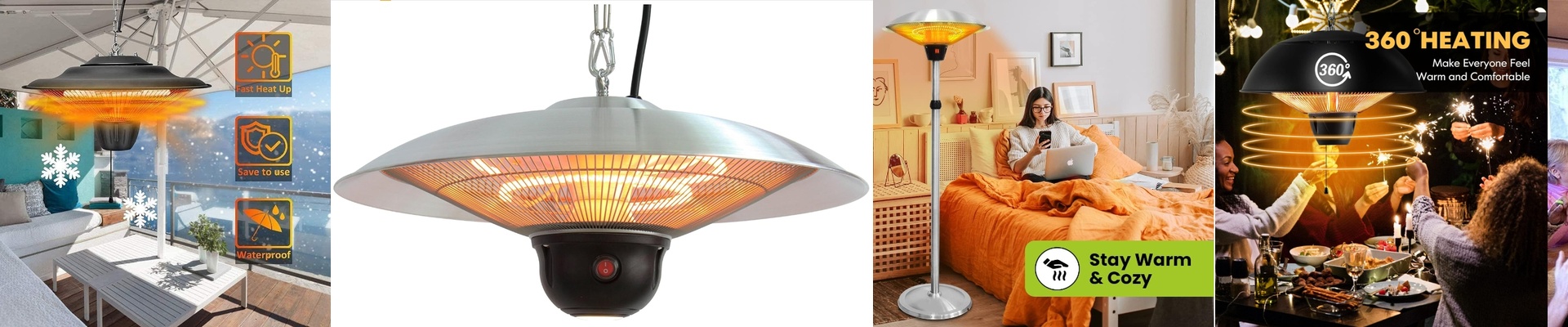
Most people use aluminum reflectors, but aluminum absorbs too much energy. We went with a high-purity gold coating instead. Why? Because gold is incredible at bouncing IR heat. It pushes the heat exactly where it needs to go—toward the wafer—which keeps the lamp housing from getting scorched. When the housing stays cooler, the tube doesn’t take as much of a beating from thermal shock. It just lasts longer.
Keeping Things From Blowing Up
Usually, tubes pop because the heat is uneven or the seals at the ends just give up. To fix that, we use heavy-wall fused quartz. It’s tough enough to handle the internal pressure of the halogen cycle without flinching. Plus, the seals are built to take rapid heating and cooling cycles without cracking. But a word of advice:**watch your voltage spikes.**If you push these tubes past their rated wattage, you’re basically asking them to die early. I always suggest pairing them with precise PID controllers. It stops that annoying overshoot that leads to a burst tube.
Blocking the Contamination
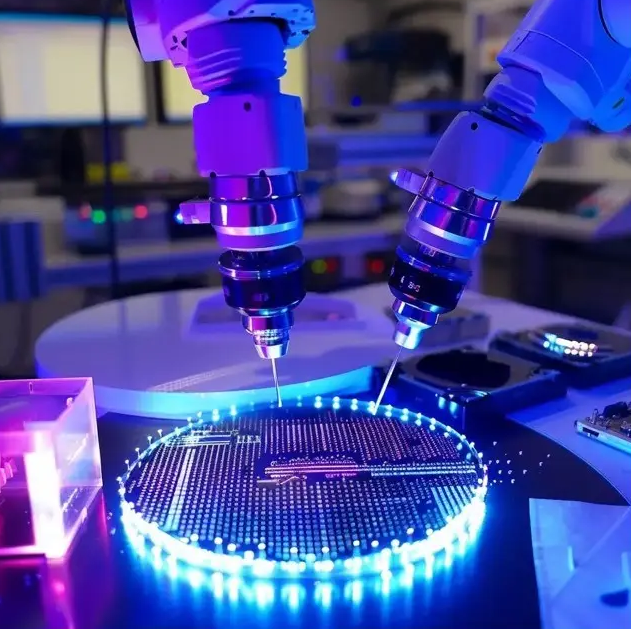
Even with the best gear, things happen. To keep particles off your wafers, we tuck the lamps into a shielded assembly. The gold reflector does double duty here. It bounces the heat, sure, but it also acts as a wall. If a tube does burn out, the housing is designed to catch the debris so it doesn’t end up on your product. One last thing—**keep your cooling fans clean.**If the airflow drops, heat builds up in the housing and can actually warp that gold layer over time. Keep the air moving, keep the temperature stable, and your yields will stay right where you want them.