
Cutting Carbon in Semi-Conductor Heating (Without the Headache)
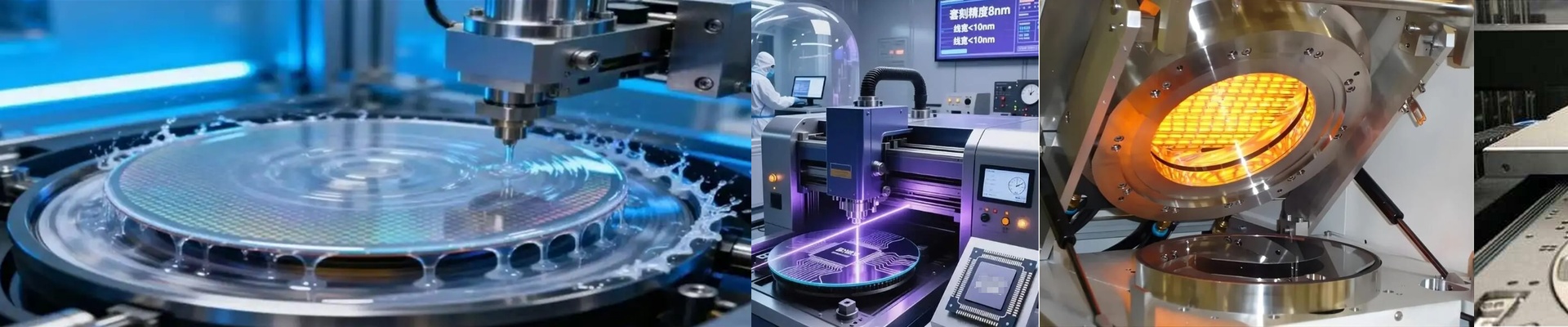
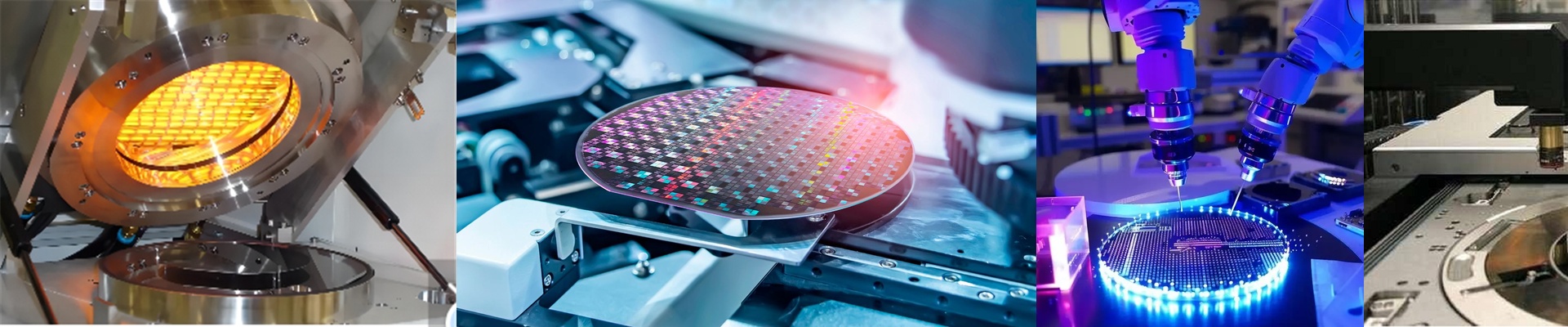
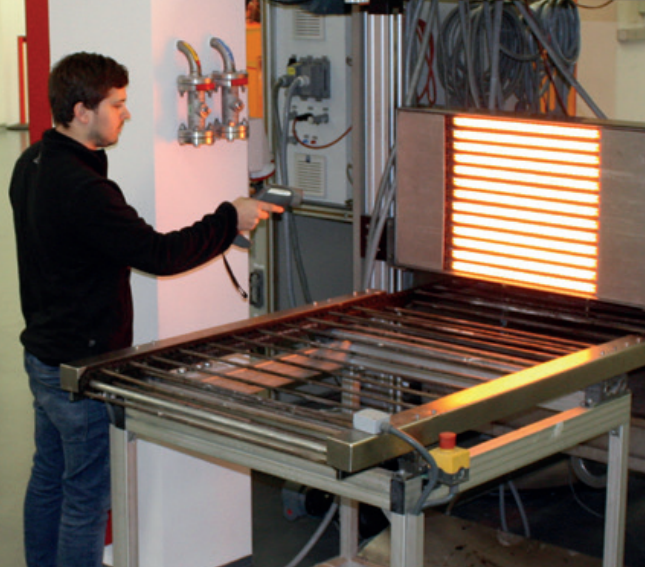
Let’s be honest: semiconductor fab is all about the heat. But trying to hit carbon-neutral goals while keeping those temperatures precise? That’s where things get tricky. Most of us are still leaning on old-school convection, which is basically like trying to heat a house with an open window. It’s wasteful. That’s why we’ve been moving toward gold-coated twin-tube IR lamps. It sounds fancy, but the logic is actually pretty simple. The magic of the gold coating Standard quartz tubes are leaky. They bleed energy everywhere—into the air, into the walls, into anything that isn’t your wafer. By putting a gold coating inside the twin-tube, we basically create a mirror. Instead of the heat scattering, it gets pushed straight forward. It hits the substrate exactly where it needs to. The best part? Your chassis isn’t soaking up all that stray heat. That means your facility’s cooling systems don’t have to work overtime to fight the lamps. Everyone wins. Why the twin-tube setup matters We went with a twin-tube design because it gives us more surface area in a tiny footprint. Here is the real-world benefit: you can crank up the wattage without worrying about burning out a single filament. In a cleanroom, speed is everything. These lamps ramp up fast. Really fast. You spend way less time just sitting there waiting for the heat to climb and more time actually processing. The catch (because there’s always one) We designed these to be drop-in replacements, so they fit right into your legacy gear. But heads up—gold-coated shortwave IR is aggressive. If your timing controllers are off by even a fraction of a second, you’re going to scorch your substrate. It happens. You’ll need to tweak your PID loops to keep up with how quickly these things react. At the end of the day, it’s a mechanical fix for a carbon problem. By narrowing the beam and making the absorption hit harder, we just strip the waste out of the cycle. Fewer kilowatt-hours per wafer, less heat in the room, and a much smaller footprint.