Getting Your IR Heating Right in a Smart Fab
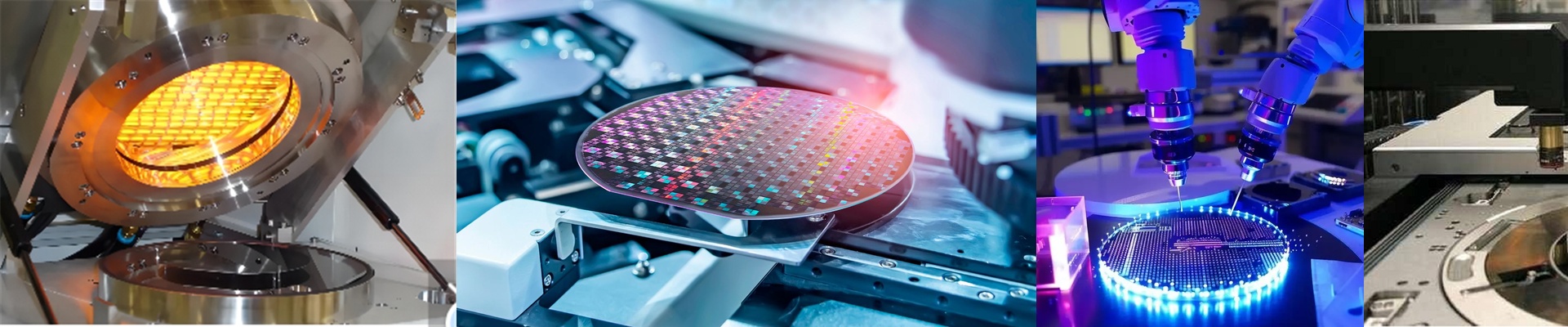
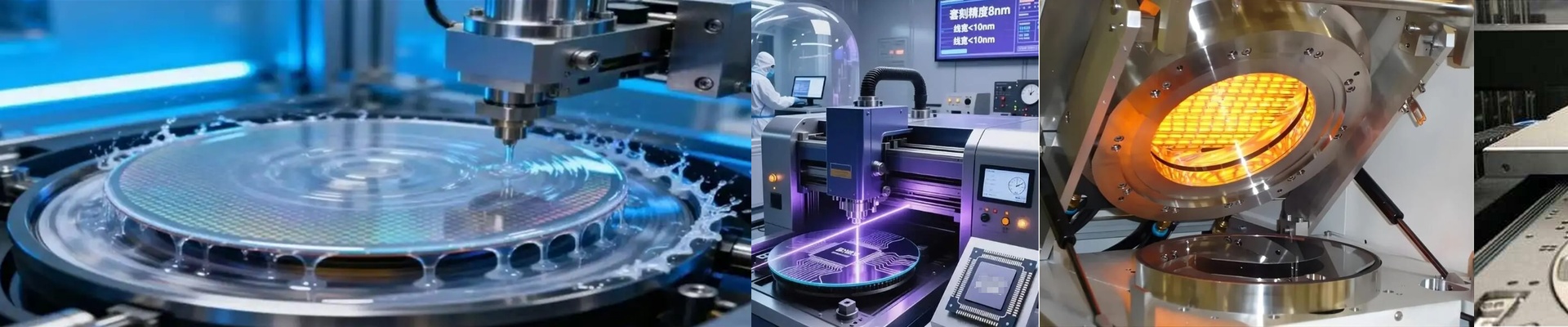
Building a smart Fab isn’t just about slapping some robots on the floor and calling it Industry 4.0. It’s really about how you handle heat. If you’re still relying on old-school resistive heating for your wafers, you’re making life harder than it needs to be. We’ve found that high-efficiency infrared (IR) systems are the way to go. Why? Because they don’t touch the wafer. No contact means no contamination and no mechanical stress. It’s the only real way to scale up without breaking things.
The Balancing Act: Distance and Heat
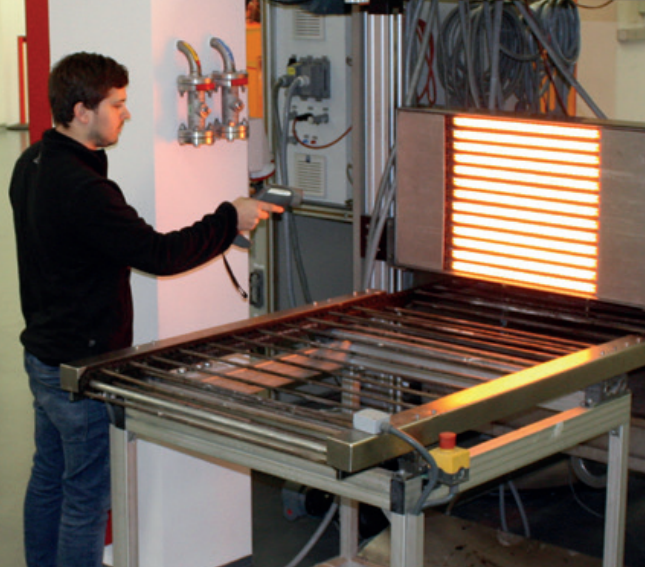
Here’s the thing: you can’t just shove an IR emitter right up against a wafer. If it’s too close, you get these nasty hot spots that warp the silicon. But if you push it too far back, you’re just wasting energy heating up the chamber walls. It’s a bit of a balancing act. We spend a lot of time calculating that “sweet spot” based on how much heat the wafer can actually take. We usually go with shortwave IR because it ramps up fast. Really fast. But there’s a catch. That speed puts a ton of pressure on your cooling manifolds. If you don’t spec your cooling to handle the reflected radiation, you’re going to fry your sensors and wiring. And that’s a headache nobody wants.
Making it Smart (Without the Headache)
In a modern line, “set it and forget it” is a recipe for disaster. We hook these IR systems up to closed-loop PID controllers and real-time pyrometers. This lets the system tweak the power in milliseconds based on what’s actually happening on the wafer surface. The best part? Your heating profile becomes actual data. If a batch goes south, you don’t have to guess what happened—you can just look at the thermal curve. We also keep the design modular. So, when you need to push more throughput, you just swap out the emitter arrays. You don’t have to tear apart the whole vacuum chamber and start from scratch.
The Trade-offs
Now, high-wattage IR emitters give you incredible heat density, but it comes at a cost. It puts a lot of stress on the power supply and those quartz envelopes. You’ll need a very stable voltage. If the power flickers, even a little, you get these microscopic temperature swings across the wafer. It sounds small, but in this business, small things are usually the biggest problems.