Making Infrared Heating Actually Work in a Smart Fab
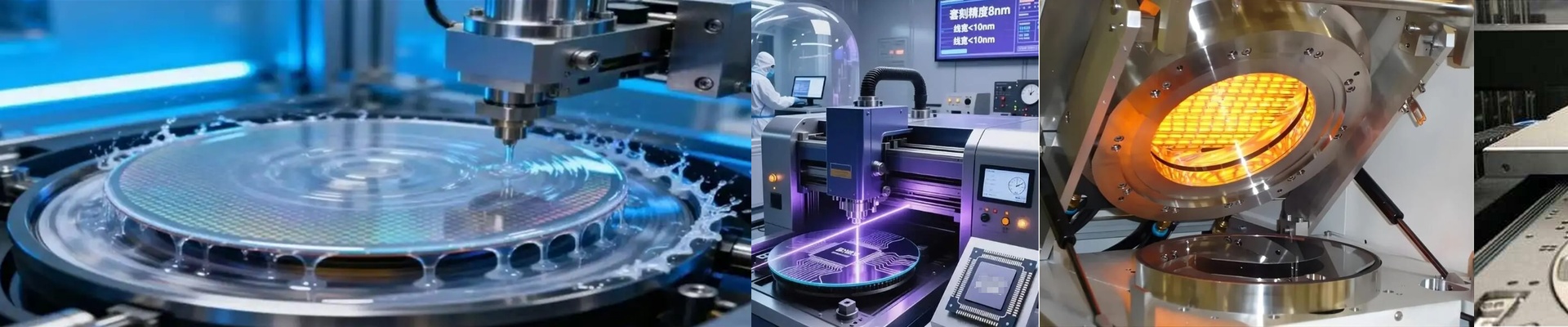
If you’re planning an Industry 4.0 Fab, you’ve probably realized that the old way of heating things just doesn’t cut it anymore. You can’t just blast heat into a chamber and hope for the best. You need something surgical. That’s where infrared (IR) comes in. Instead of warming up everything in sight, IR lets you put the heat exactly where it needs to be. It’s cleaner, faster, and way more precise.
Getting your data to actually talk to your hardware
Here’s the thing: a digitized production line is only as good as the parts inside it. You need heaters that actually play nice with your PLC and sensors. We build our IR systems to react in real-time. We’re talking milliseconds. If there’s a temperature spike, the system catches it and dials back the power before it becomes a problem. It’s a huge relief knowing you aren’t just guessing—you’re seeing it happen and fixing it instantly. That means way fewer ruined wafers and a much tighter process.
Dealing with the heat load
High-wattage IR lamps are great because they ramp up fast. By focusing on specific wavelengths, you aren’t wasting energy heating the air around the part. You get your cycle times down, which is great for the bottom line. But there’s a catch. When you cram that much power into a small space, things get hot. Fast. You have to make sure your cooling manifolds are up to the task. If your heat exchangers can’t keep up, your thermal balance will drift, and that’s when things start going sideways.
Scaling without the headache
Building a “Smart Fab” shouldn’t mean your life becomes a nightmare every time a part breaks. That’s why we stick to modular, drop-in replacements. No custom hacks, no endless downtime. Plus, when you hook these systems into a central data hub, you can stop playing the guessing game with maintenance. You can actually see the voltage drop and the lumen decay. Instead of replacing lamps because “it’s been six months,” you replace them because the data tells you they’re actually wearing out. It’s just simpler. At the end of the day, switching to IR isn’t just about the electric bill. It’s about finally getting your thermal data into the system so you can tweak your process on the fly.