Stop Losing Hours to a Burned-Out Heater
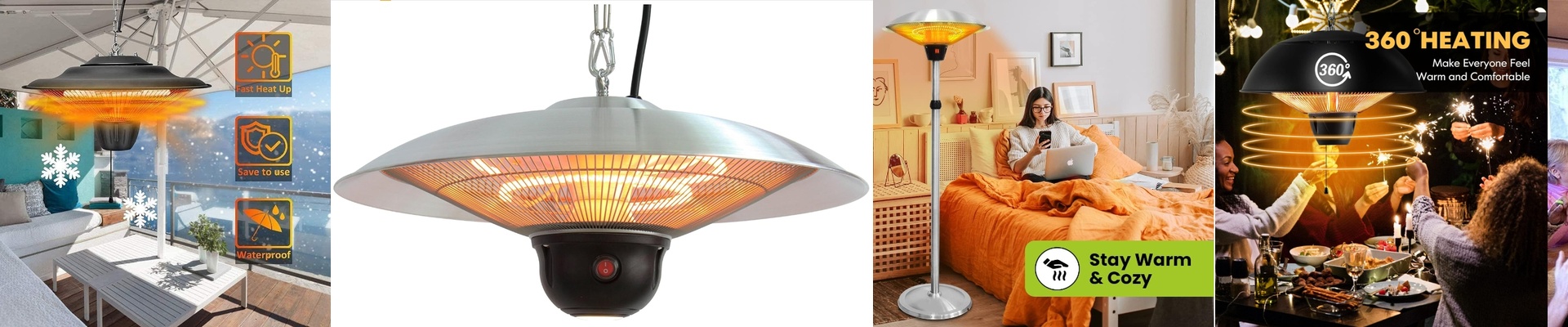
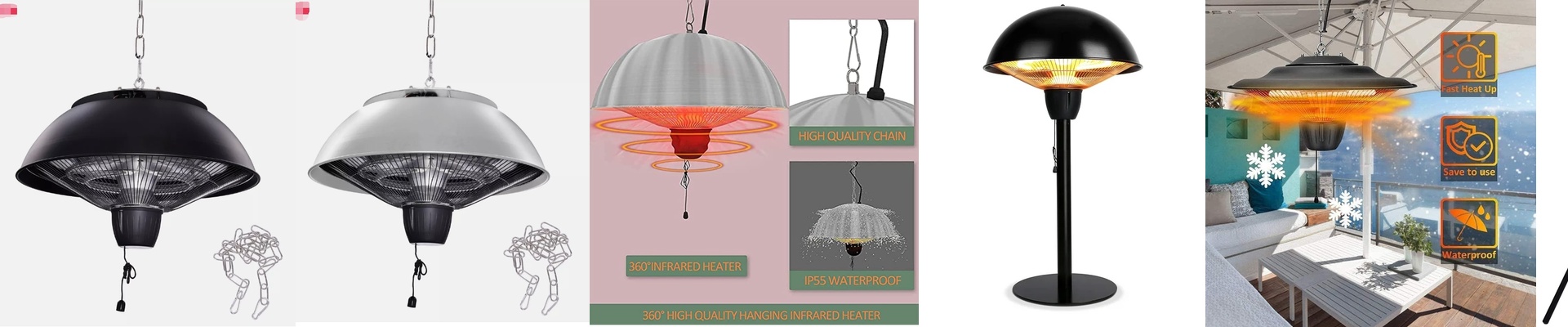
When a heating element dies five years into a production run, the part itself is cheap. It’s the downtime that kills you. You’re staring at a dead line, losing money every minute, and realizing you’ve got a massive teardown ahead of you. That’s exactly why we built our infrared heater modules the way we did. We wanted to get rid of those nightmare maintenance sessions. The “Drop-In” Approach Most industrial heaters are hard-wired straight into the chassis. If one goes, a technician has to spend hours stripping wires and re-terminating connections—all while waiting for the machine to cool down enough to touch. It’s a slog. So, we did something different. We went with a modular system. Instead of messing with wires, you just pull the dead module out and slide a new one in. It turns a multi-hour headache into a five-minute job. Keeping the Grime Out Now, keeping things IP65 rated in a high-heat environment is tricky. You’ve got dust, oil, and those aggressive wash-down sprays that love to find their way into electrical terminals and cause a short. To stop that, we used specialized gaskets and sealed cable entries. It keeps the junk out. But there’s a catch: a tight seal traps heat. If you’re not careful, the wiring inside can bake until the insulation cracks. To fix this, we spec our internal cables to handle much higher temperatures than the standard stuff. They can take the heat without giving up. The Honest Trade-offs Look, modular connectors are faster than hard-wiring, but they do add more contact points. If those points aren’t perfect, you get voltage drops or overheating. We handled that by using high-conductivity alloys and oversized pins. It just works. One quick tip: if you’re pushing these units to their max wattage, keep an eye on your control cabinet’s cooling fans. The modular housing adds a bit of thermal mass, which might change how heat builds up in your machine. At the end of the day, we built these for the actual shop floor. You don’t need a fancy toolkit or a specialized degree to swap them. Just a basic wrench, a few minutes, and you’re back in business.