

Getting Your Bathroom Heater Just Right (Without Burning the House Down)
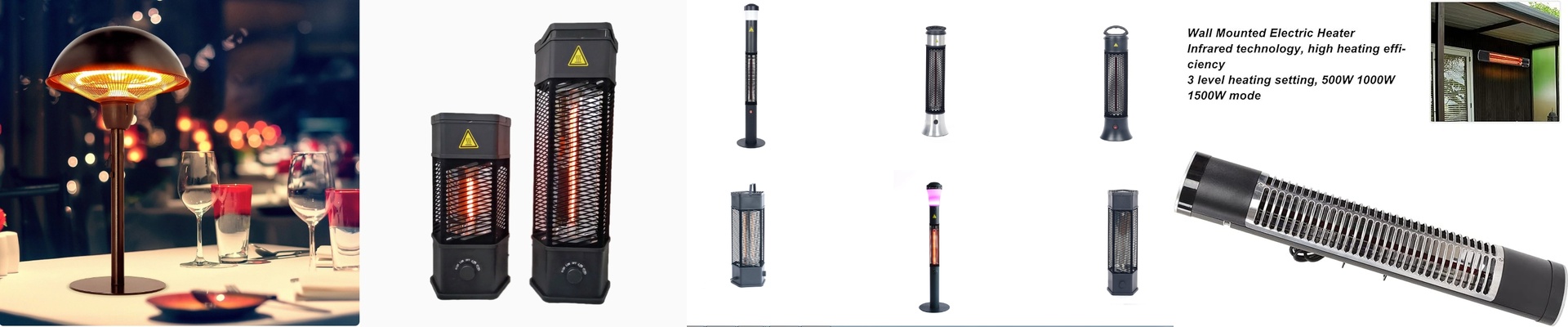
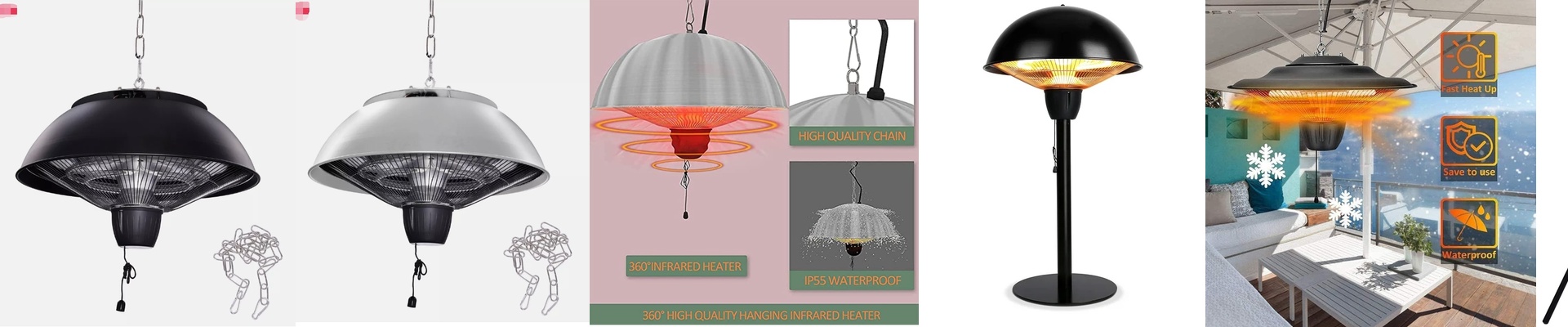
Putting an infrared heater in a bathroom is a bit of a balancing act. You want that cozy, warm feeling the second you step out of the shower, but you’re doing it in a room full of steam and splashing water. That’s why we stick to IP44 standards. In plain English? It means the guts of the heater are sealed up tight. Water splashes and little bits of debris can’t get inside and fry the electronics. It’s just safer.
Picking the Right Power
You can’t just grab any heater and hope for the best. If you put a massive, high-wattage lamp in a tiny powder room, it’s going to get stifling. Plus, the thermostat will be clicking on and off every two seconds, which eventually kills the relay. On the flip side, if you put a weak little lamp in a big master bath, you’ll be shivering while the heater runs for hours without ever actually getting the room warm. For those small bathrooms, something between 250W and 400W usually does the trick. If you’ve got a larger space, you’ll want something more powerful or maybe a couple of units spread out.
It’s All About Where You Put It
Here’s the thing about infrared: it doesn’t actually heat the air. It heats stuff. Your skin, the tiles, the towel rack. Because of that, where you mount the heater matters way more than how many watts it has. If you slap a high-powered lamp too close to a plastic fixture or the ceiling, you might actually melt things. Not ideal. Since we use those IP44 seals to keep water out, the heat doesn’t escape from the base as easily. We use special heat-resistant gaskets so the seal stays strong even when the heater is working overtime.
A Quick Word on Your Wiring
Higher wattage means you get warm faster. Simple. But it also puts more stress on your electrical panel. If you’re planning to install a few of these in one area, double-check your breaker. A 1000W setup pulls a lot more juice than your standard LED lights. You’ll want to make sure your wiring is thick enough to handle the load so you don’t run into any voltage drops or tripped switches.