
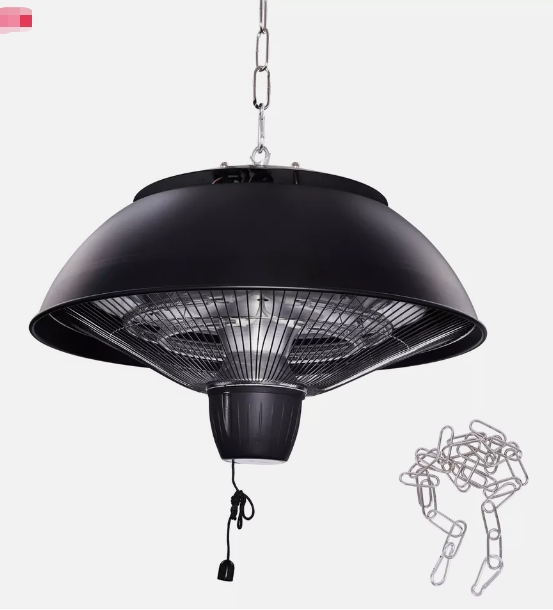
Why we put our bathroom heaters through the “damp-heat” ringer
Let’s be honest: bathrooms are a nightmare for electronics. You’ve got steam everywhere, wild temperature swings, and water vapor that seems to find a way into every tiny crack. It’s the perfect recipe for an electrical failure. We could just run some numbers on a spreadsheet and hope for the best. But that’s not how we do things. Instead, we use damp-heat aging tests to make sure these units don’t just quit on you after a few months.
The battle against moisture
Water and electricity don’t mix. Simple as that. In a steamy bathroom, vapor creeps into the housing or slips past the sealants. If the quartz envelope or the terminals aren’t locked down tight, you get leakage currents. That leads to rusty contacts or, if you’re really unlucky, a short circuit. To stop that, we throw our lamps into humidity chambers and push the dew point to the absolute limit. We’re basically trying to break them. Why? Because we’d rather find a microscopic crack in the quartz or a sloppy solder joint in our lab than have it happen in your customer’s home.
Heat, moisture, and the “shock” factor
Getting a mirror to defog quickly takes a lot of heat. The filament has to run hot. But when you mix that intense heat with a wet environment, you get something called thermal shock. The materials expand and contract rapidly. We spend a lot of time watching how those materials behave when they’re wet. If the seal between the lamp and the fixture gives way, the unit is trash. We look for the smallest signs of corrosion on the wires or any wear and tear on the insulating sleeves.
The tricky part: Sealing vs. Breathing
Here’s the catch. If we seal the unit perfectly to keep the water out, we might accidentally create an oven. If it’s too airtight, the internal wiring can overheat because the heat has nowhere to go. It’s a delicate balance. We have to calibrate the ventilation just right so the unit stays dry but can still breathe. It’s a fine line between a waterproof seal and a heat trap, and that’s exactly why we test it until we get it right.