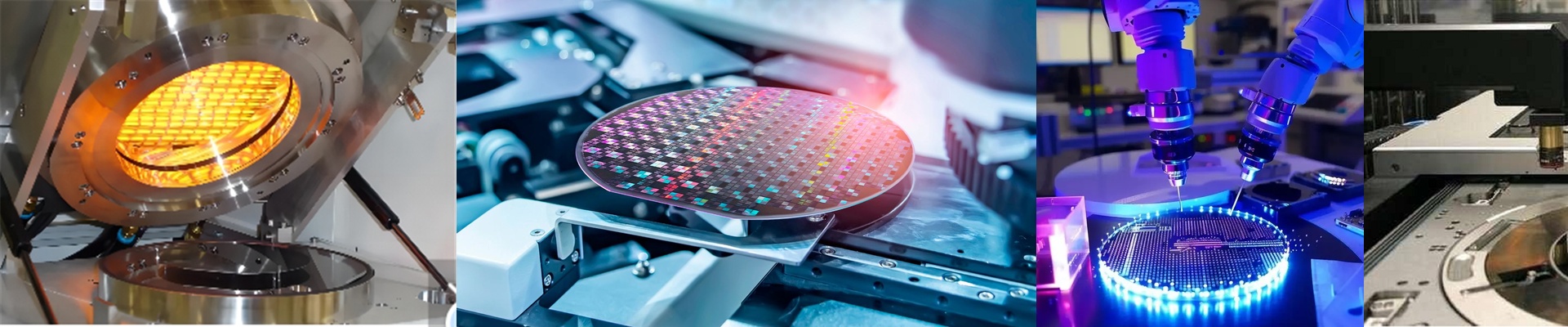
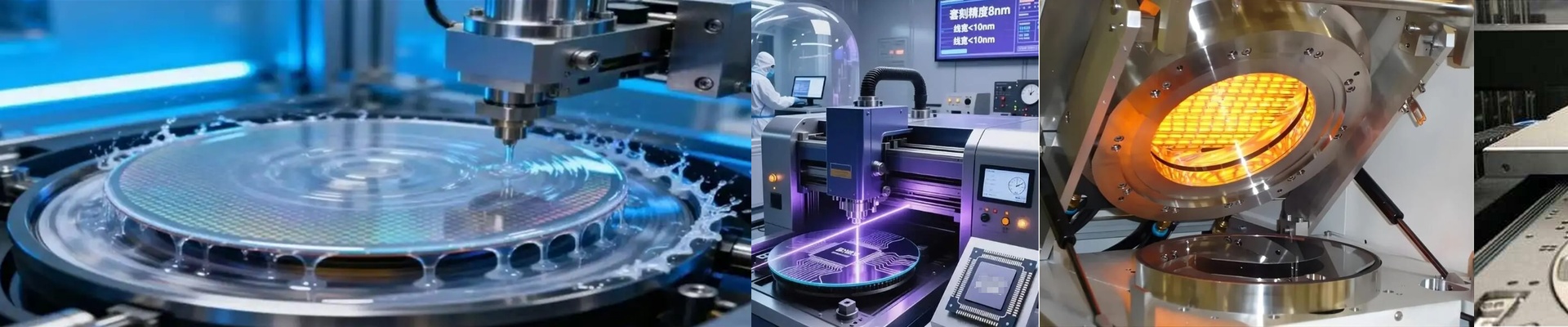
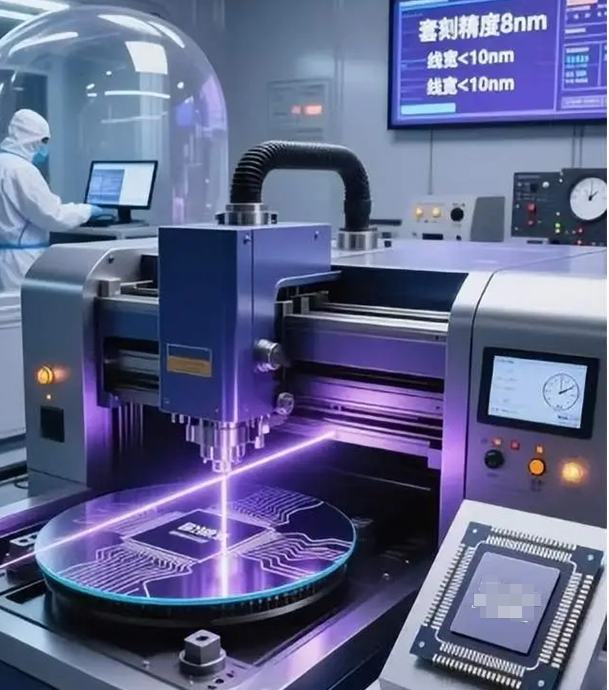
On the fab floor, a 0.1°C drift during soft bake or hard bake isn’t a footnote on a datasheet. It’s a yield miss. When thermal uniformity collapses, photoresist profiles shift fast, and the line pays for it in scrap and rework. The high-efficiency wafer dryer bulb keeps the thermal budget where it needs to be—under control. We run short-wave infrared (NIR) halogen emitters built for sub-millimeter heat-field control. The payoff is wafer-level uniformity that holds across the entire bake surface, not just at the center. Temperature stability at the setpoint comes with minimal overshoot, so soft bake and hard bake profiles stay consistent lot after lot. The bulb output holds steady over thousands of hours, cutting down on drift and protecting process Cpk. Here is the thing: this dryer bulb is built for semiconductor environments. It’s Class 1–100 cleanroom compatible, generates zero particles, and delivers a clean thermal profile that doesn’t trip contamination alarms. It gives lithography and photoresist processing the precision modern nodes demand, and it does it while pulling down operating cost through energy efficiency. Reliability here translates straight into uptime. Fewer lamp swaps, fewer unplanned stops, fewer interruptions to the sequencer. NIR systems are sensitive—alignment and reflector condition matter. Thermal uniformity depends on correct lamp positioning and clean optics. Before installation, verify fixture compatibility and voltage requirements, and put reflector inspections into your PM schedule. When those details are handled, the dryer bulb behaves like a predictable, repeatable thermal element. It keeps the line moving and keeps yield where you need it.