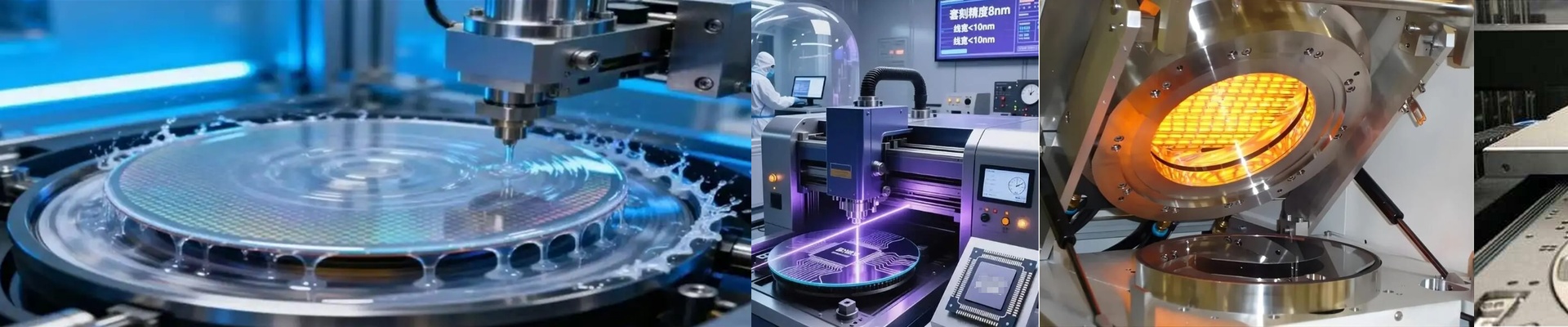
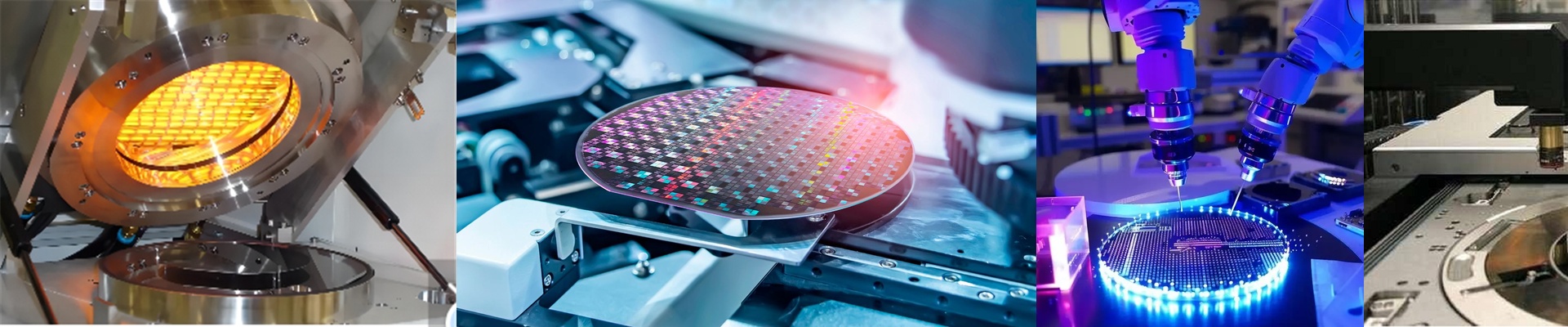
On the fab floor, moisture on the wafer surface doesn’t sit around waiting. It messes with photoresist profiles, throws off critical dimensions, and seeds defects you can’t rework. In lithography and photoresist processing, the soft bake and hard bake aren’t just heat cycles—they’re moisture extraction, and they set the yield. What matters under the hood We built the wafer moisture removal heater lamp around short-wave infrared (SWIR) halogen elements in a quartz envelope, tuned for rapid, localized heating with wafer-level uniformity of ±0.1°C. The system holds setpoints reliably for photoresist bake, so you can keep the thermal budget tight across the lot. Cleanroom fit is baked into the design: Class 1–100 compliant materials and construction keep particle generation low, and the lamp assembly is rated to run 24/7 without unplanned downtime. Output stability is measured, not guessed—units hold consistent irradiance over 5,000+ operating hours with less than 5% drift. Why it plays in production Moisture removal becomes a repeatable step, not something you cross your fingers on. The lamp drives off surface moisture fast and even, so the photoresist bake starts from a stable thermal baseline. That means fewer reworks, less scrap, and cycle times you can count on. Energy use stays lean, thanks to fast thermal response and focused heating—no wasted chamber conditioning. In practice, you get process discipline: every wafer sees the same thermal history, and every bake lands on spec. Here are the practical details You get the best performance when the lamp is matched to the tool’s thermal mass and airflow profile. Expect a short commissioning window to dial in mounting orientation and power mapping for your exact recipe. For maximum repeatability, hold coolant temperature within ±0.5°C and keep the lamp-to-wafer distance fixed. Output intensity drops as the lamp ages, so align calibration intervals with your preventive maintenance schedule.
บนไลน์การผลิต ความชื้นบนพื้นผิวเวเฟอร์ไม่ได้อยู่นิ่งรอเวลา มันส่งผลกระทบต่อโปรไฟล์โฟโตรีซิสต์ ทำให้มิติสำคัญผิดเพี้ยน และเป็นสาเหตุของข้อบกพร่องที่ไม่สามารถแก้ไขได้ ในกระบวนการลิโธกราฟีและการจัดการโฟโตรีซิสต์ การอบแบบซอฟต์เบคและฮาร์ดเบคไม่ใช่แค่รอบความร้อน แต่เป็นขั้นตอนการกำจัดความชื้นและเป็นตัวกำหนดอัตราการผลิต
สิ่งที่สำคัญภายในระบบ
เราออกแบบหลอดฮีตเตอร์สำหรับกำจัดความชื้นจากเวเฟอร์โดยใช้ส่วนประกอบฮาโลเจนอินฟราเรดคลื่นสั้น (SWIR) ใส่ในห่อควอตซ์ ปรับแต่งเพื่อให้ความร้อนที่รวดเร็วและเฉพาะจุดพร้อมความสม่ำเสมอระดับเวเฟอร์ที่ ±0.1°C ระบบสามารถคงค่าจุดตั้งไว้อย่างแม่นยำสำหรับการอบโฟโตรีซิสต์ เพื่อให้สามารถควบคุมงบประมาณความร้อนตลอดชุดผลิตได้ การออกแบบเหมาะกับห้องคลีนรูมโดยใช้วัสดุและโครงสร้างตามมาตรฐาน Class 1–100 ช่วยลดการสร้างฝุ่นและอนุภาค และชุดหลอดไฟได้รับการประเมินว่าทำงานได้ต่อเนื่อง 24/7 โดยไม่มีเวลาหยุดทำงานที่ไม่คาดคิด ความเสถียรของเอาต์พุตเป็นข้อมูลที่วัดได้ ไม่ใช่การเดา—หน่วยสามารถรักษาความเข้มแสงคงที่ได้กว่า 5,000 ชั่วโมงการทำงานโดยมีการเลื่อนไม่เกิน 5%
เหตุผลที่ใช้งานในสายการผลิต
การกำจัดความชื้นกลายเป็นขั้นตอนที่ทำซ้ำได้ ไม่ต้องลุ้นไปกับผล การใช้หลอดไฟนี้ดันความชื้นบนพื้นผิวให้ออกอย่างรวดเร็วและสม่ำเสมอ ทำให้การอบโฟโตรีซิสต์เริ่มต้นจากฐานความร้อนที่เสถียร ผลลัพธ์คือจำนวนการแก้ไขงานลดลงของเสียต่ำลง และเวลาการทำงานที่แม่นยำ การใช้พลังงานต่ำเพราะตอบสนองความร้อนอย่างรวดเร็วและให้ความร้อนที่มีจุดโฟกัส จึงไม่ต้องเสียพลังงานไปกับการปรับสภาพห้องอบ ในทางปฏิบัติ คุณจะได้วินัยของกระบวนการที่เข้มงวด: เวเฟอร์แต่ละชิ้นได้รับประวัติความร้อนที่เหมือนกัน และทุกครั้งที่อบจะอยู่ในสเปคที่กำหนด
รายละเอียดทางปฏิบัติ
ประสิทธิภาพสูงสุดจะได้เมื่อตัวหลอดไฟเข้ากันกับมวลความร้อนและรูปแบบการไหลของลมของเครื่องมือ คาดว่าจะมีช่วงเวลาการติดตั้งและปรับตั้งสั้น ๆ เพื่อกำหนดทิศทางการติดตั้งและแผนที่กำลังไฟตามสูตรที่แน่นอน สำหรับความซ้ำซ้อนสูงสุด ให้ควบคุมอุณหภูมิน้ำหล่อเย็นภายใน ±0.5°C และรักษาระยะห่างระหว่างหลอดไฟกับเวเฟอร์ให้นิ่ง ความเข้มของแสงลดลงเมื่อหลอดใช้งานไปนาน ดังนั้นให้จัดช่วงเวลาการสอบเทียบให้สอดคล้องกับตารางบำรุงรักษาเชิงป้องกันของคุณ