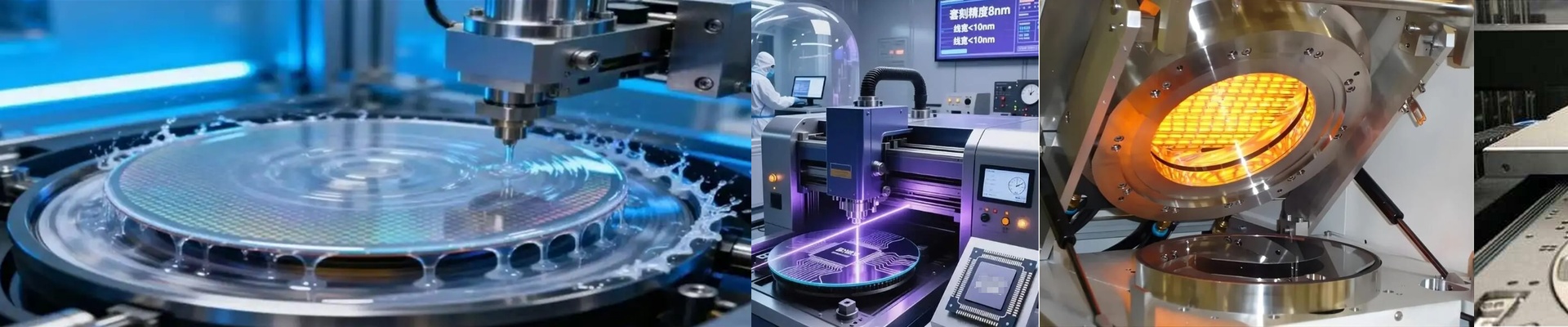
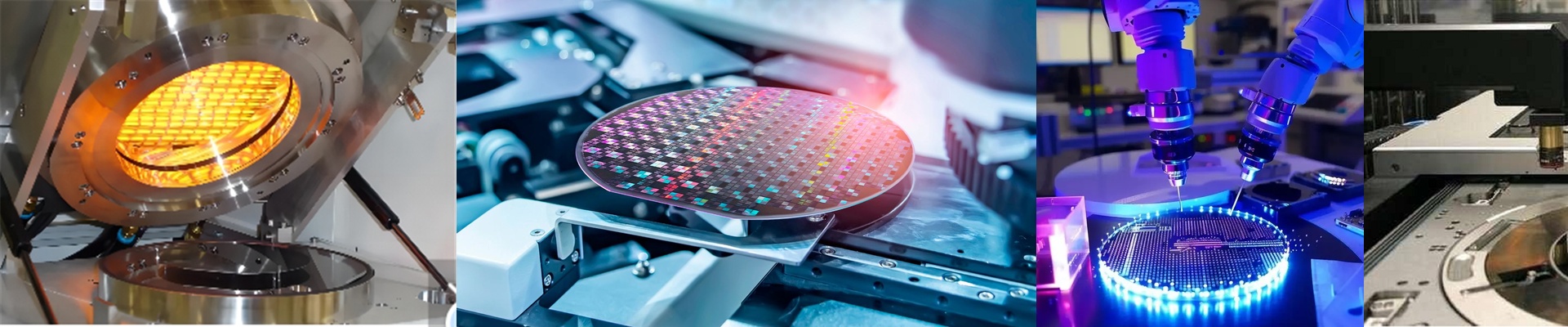

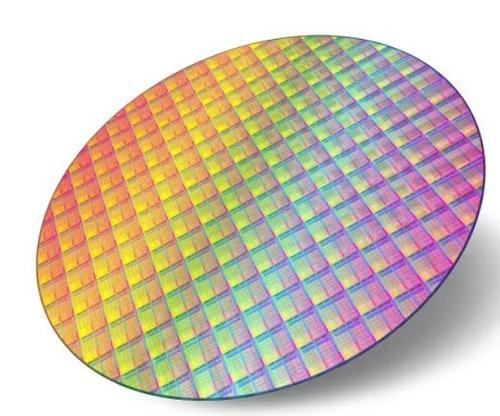
On the fab floor, moisture on the wafer surface doesn’t sit around waiting. It messes with photoresist profiles, throws off critical dimensions, and seeds defects you can’t rework. In lithography and photoresist processing, the soft bake and hard bake aren’t just heat cycles—they’re moisture extraction, and they set the yield. What matters under the hood We built the wafer moisture removal heater lamp around short-wave infrared (SWIR) halogen elements in a quartz envelope, tuned for rapid, localized heating with wafer-level uniformity of ±0.1°C. The system holds setpoints reliably for photoresist bake, so you can keep the thermal budget tight across the lot. Cleanroom fit is baked into the design: Class 1–100 compliant materials and construction keep particle generation low, and the lamp assembly is rated to run 24/7 without unplanned downtime. Output stability is measured, not guessed—units hold consistent irradiance over 5,000+ operating hours with less than 5% drift. Why it plays in production Moisture removal becomes a repeatable step, not something you cross your fingers on. The lamp drives off surface moisture fast and even, so the photoresist bake starts from a stable thermal baseline. That means fewer reworks, less scrap, and cycle times you can count on. Energy use stays lean, thanks to fast thermal response and focused heating—no wasted chamber conditioning. In practice, you get process discipline: every wafer sees the same thermal history, and every bake lands on spec. Here are the practical details You get the best performance when the lamp is matched to the tool’s thermal mass and airflow profile. Expect a short commissioning window to dial in mounting orientation and power mapping for your exact recipe. For maximum repeatability, hold coolant temperature within ±0.5°C and keep the lamp-to-wafer distance fixed. Output intensity drops as the lamp ages, so align calibration intervals with your preventive maintenance schedule.