



Why Infrared Heat is Your Secret Weapon Against Bathroom Mold
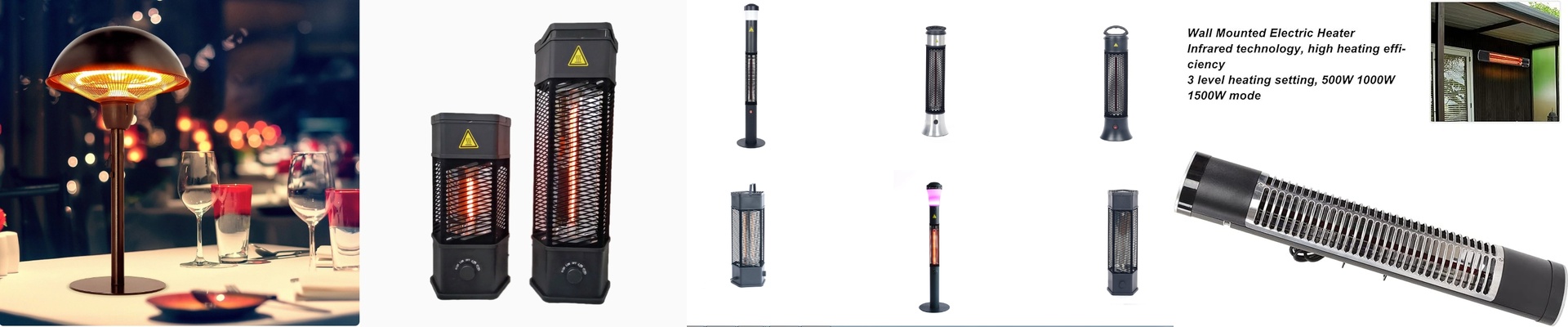
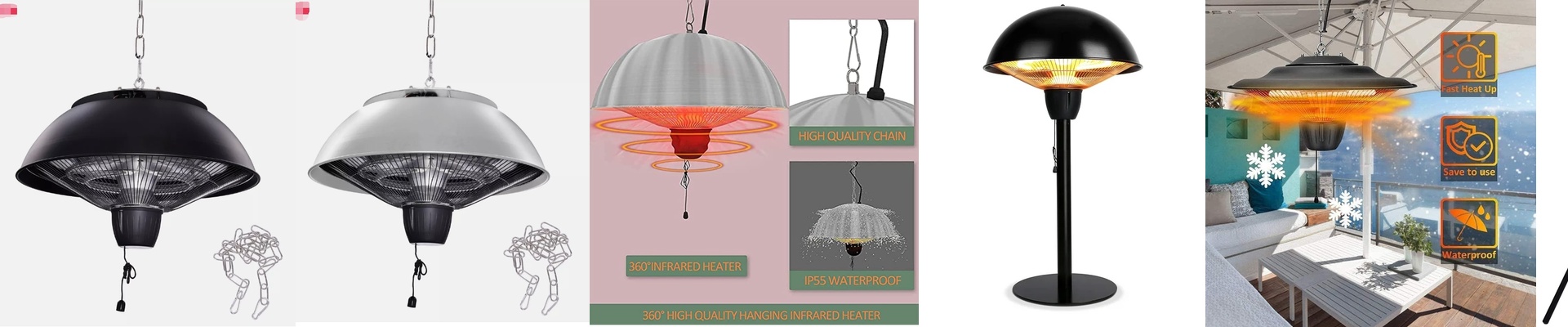
Most people think of those bathroom heat lamps as just a way to keep from shivering while you dry off. But honestly? They’re way more useful than that. If you put in a shortwave infrared (IR) wall heater, you aren’t just warming up the air—you’re actually attacking the moisture where it hides.
Drying the surfaces, not just the air
Here’s the thing about standard heaters: they warm the air. The problem is that your tiles stay cold. When that warm, steamy air hits a cold wall, you get condensation. And that dampness is exactly where mold loves to move in and set up shop. Shortwave IR does things differently. It sends out energy that goes straight into your walls and floors. The moment it hits the surface, it turns into heat. By keeping your grout and masonry warm, the water just can’t cling to the wall. It’s like a built-in drying system that pulls moisture right out of the materials.
Speed is everything
We pick these lamps for a reason. They hit a specific wavelength that works fast. Really fast. You don’t have to wait twenty minutes for the room to “warm up.” You flip the switch, and the heat is instant. That quick burst of energy evaporates those tiny leftover water droplets before mold spores even have a chance to land and start growing.
A few things to watch out for
You do have to be smart about where you put them. Since IR travels in a straight line, it can’t “bend” around corners. If you tuck the heater behind a shower curtain or under a deep ledge, you’re creating a cold spot. If the light can’t hit the wall, the wall stays damp. And a word of warning: these lamps gethot. If you try to squeeze a high-wattage lamp into a cheap plastic housing without the right shielding, you’re probably going to melt something. Just make sure your mounting brackets are rated for the heat. It’s a small detail, but it beats having a warped fixture hanging off your wall.